Small-Space Living Tips
Practical pottery advice: choosing a wheel and clay, centering and throwing, trimming, glazing and firing, kiln basics, and the tools that make cleaner work easier. the US. No fluff, just what works.
How to Keep Making Pottery in a Cold Winter Studio
Frozen clay, slow drying and cold hands challenge home potters in winter. How to protect clay, glazes and greenware and keep a garage studio usable.
How to Prevent S-Cracks in Wheel-Thrown Pottery
Curved cracks in the base of mugs and bowls often appear after drying or bisque firing. How compression, water, base thickness and drying prevent S-cracks.
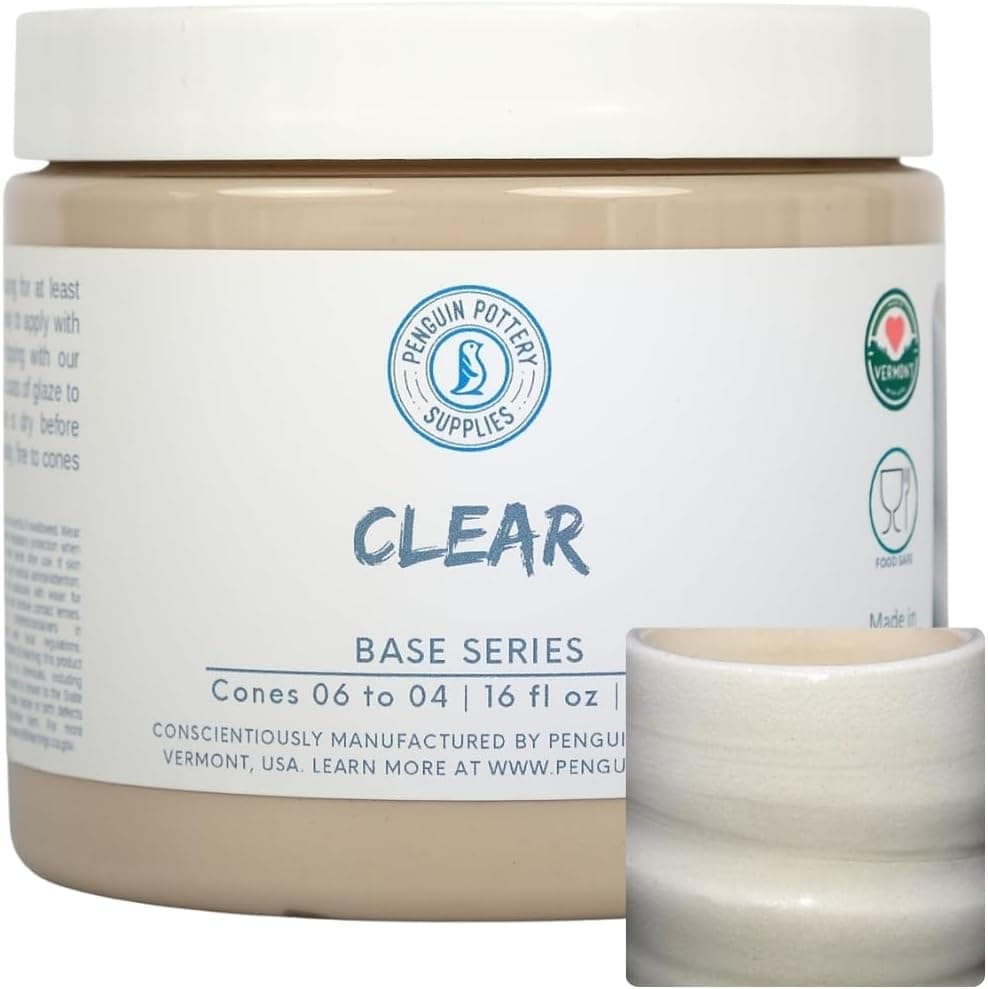
Why Glaze Crazes and How to Prevent It
A web of fine cracks in glaze is called crazing. How glaze and clay expansion mismatch causes it, why it matters for functional ware and how to fix it.
How to Prevent Glaze Crawling
Bare patches where glaze beaded up and pulled away during firing are called crawling. Causes from dusty bisque to thick application and how to prevent it.
Pyrometric Cone Chart
A complete pyrometric cone temperature chart from cone 022 to cone 11 in both Fahrenheit and Celsius, covering bisque, mid-fire, and high-fire ranges for kiln loading.
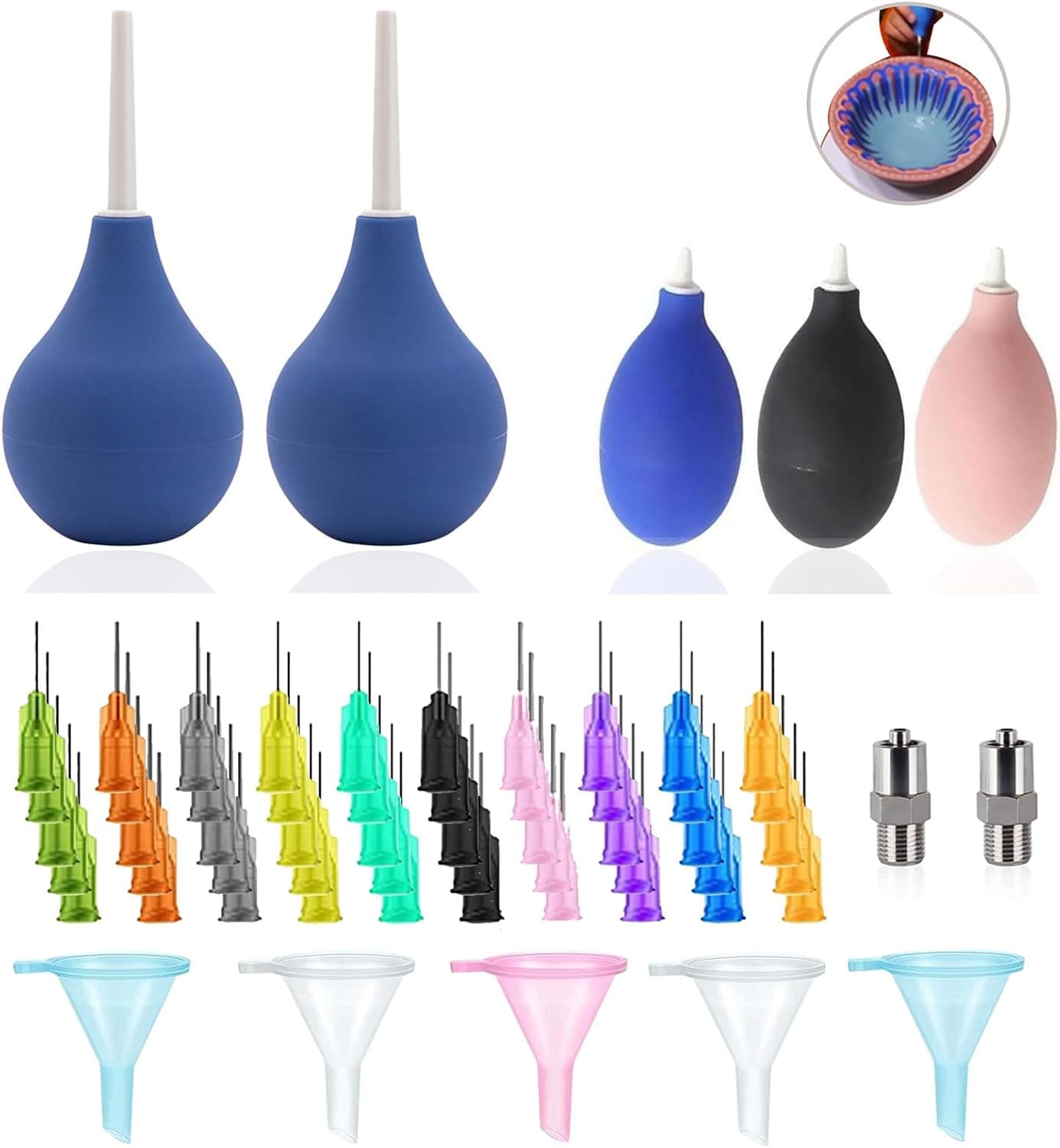
Slip Trailing
Slip trailing adds raised lines and dots of liquid clay to pottery. Learn slip consistency, tools, timing, patterns, and combining trailing with glaze.

Working with Porcelain
Porcelain rewards skill and punishes shortcuts. What makes it different, throwing and trimming adjustments, drying discipline, and how to start succeeding.
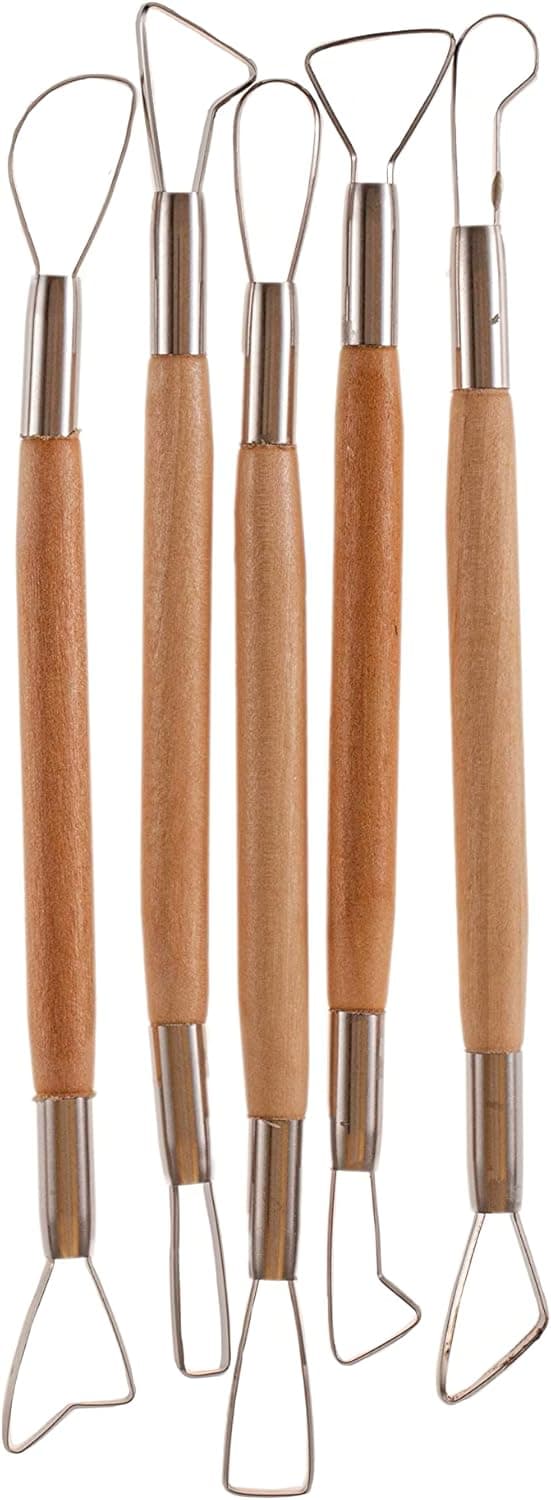
Caring for Pottery Tools
Pottery tools last decades with basic care. Cleaning routines, rust prevention, sharpening trimming tools, wooden tool maintenance, and smart storage.
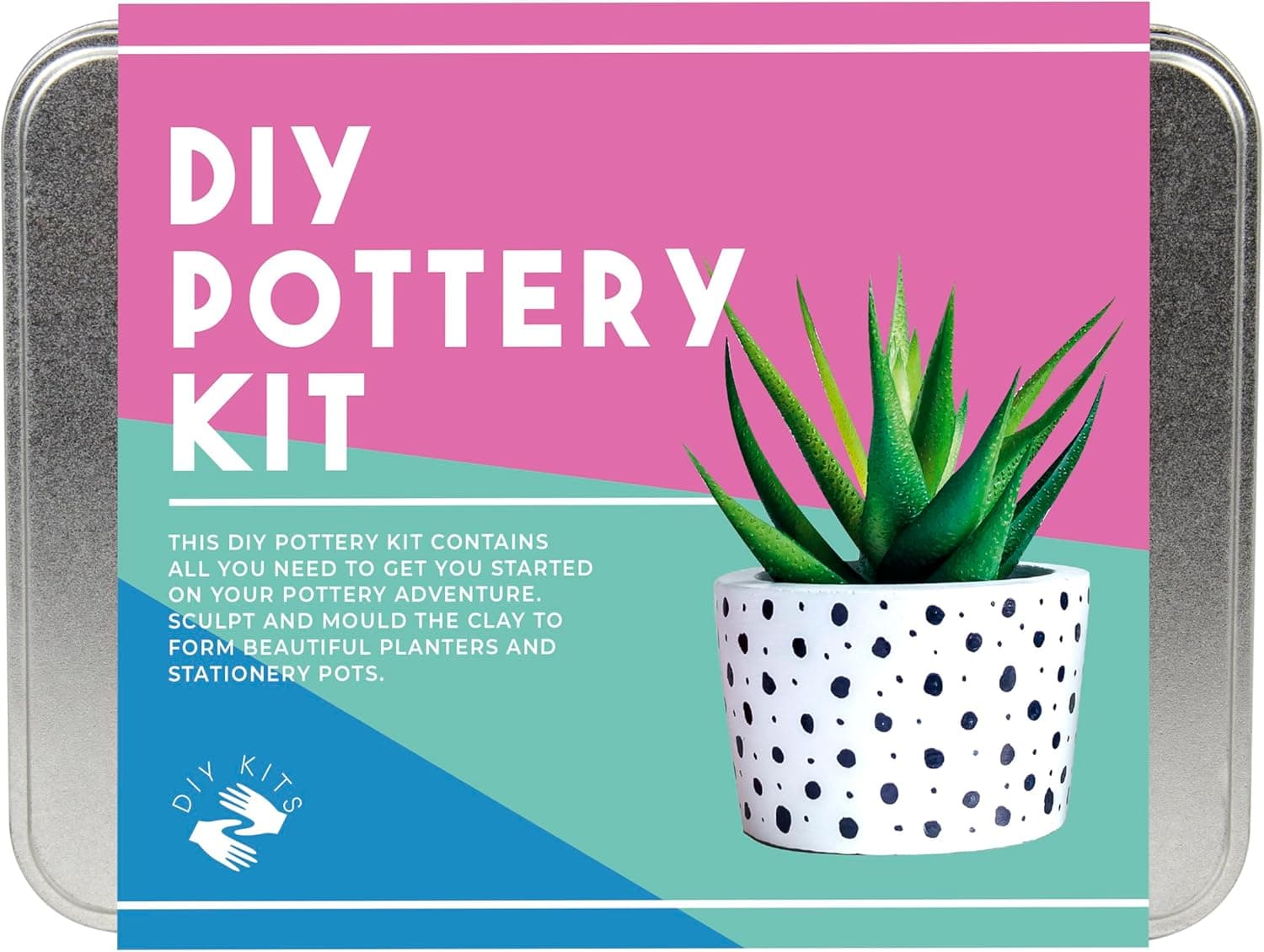
Pottery Gift Ideas
Handmade pottery gift ideas organized by skill level and occasion: mugs, ring dishes, planters, sets, and personalization that makes pieces keepsakes.
Food Safe Glazes
What food safe actually means for pottery glazes: leaching, liner glazes, crazing, testing options, and how to choose finishes for mugs, bowls, and plates.
Recycling Clay
Turn trimmings, failed pots, and slurry back into usable clay. A practical reclaim workflow: slaking, plaster drying, wedging, and storage that works at home.
Setting Up a Home Pottery Studio in a Small Space
Plan a home pottery studio that actually works: layout zones, dust control, water management without a sink, storage, flooring, and budget priorities.
Drying Pottery Evenly
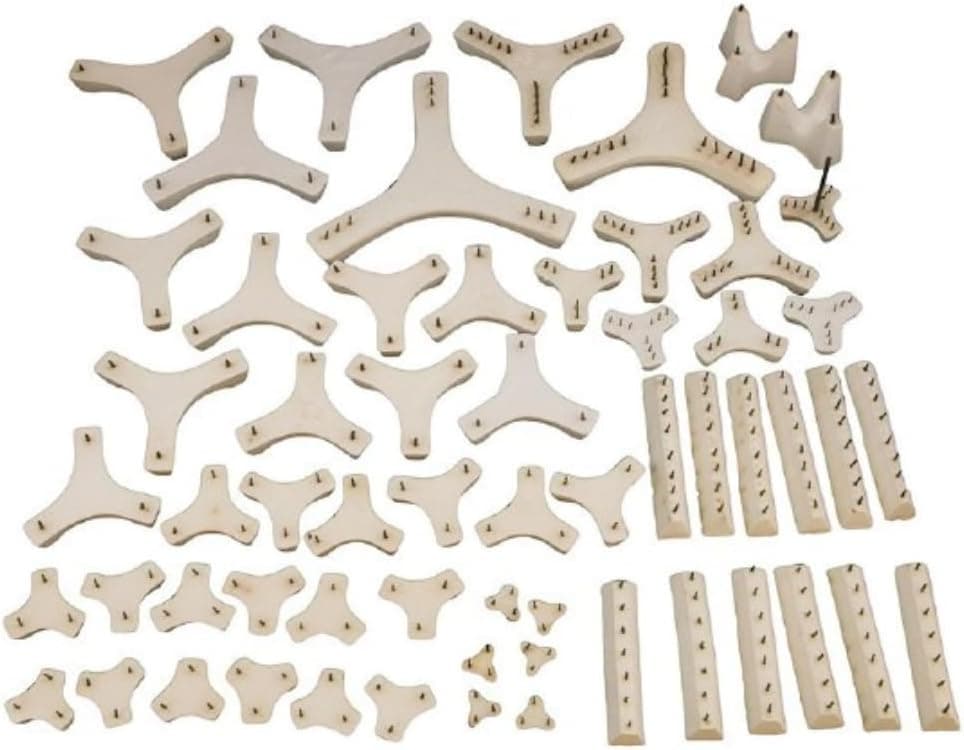
Most cracks happen before the kiln. Learn how to dry pottery evenly: plastic tents, timing by thickness, handling attachments, and rescuing uneven pieces.
Fixing Common Throwing Problems on the Pottery Wheel
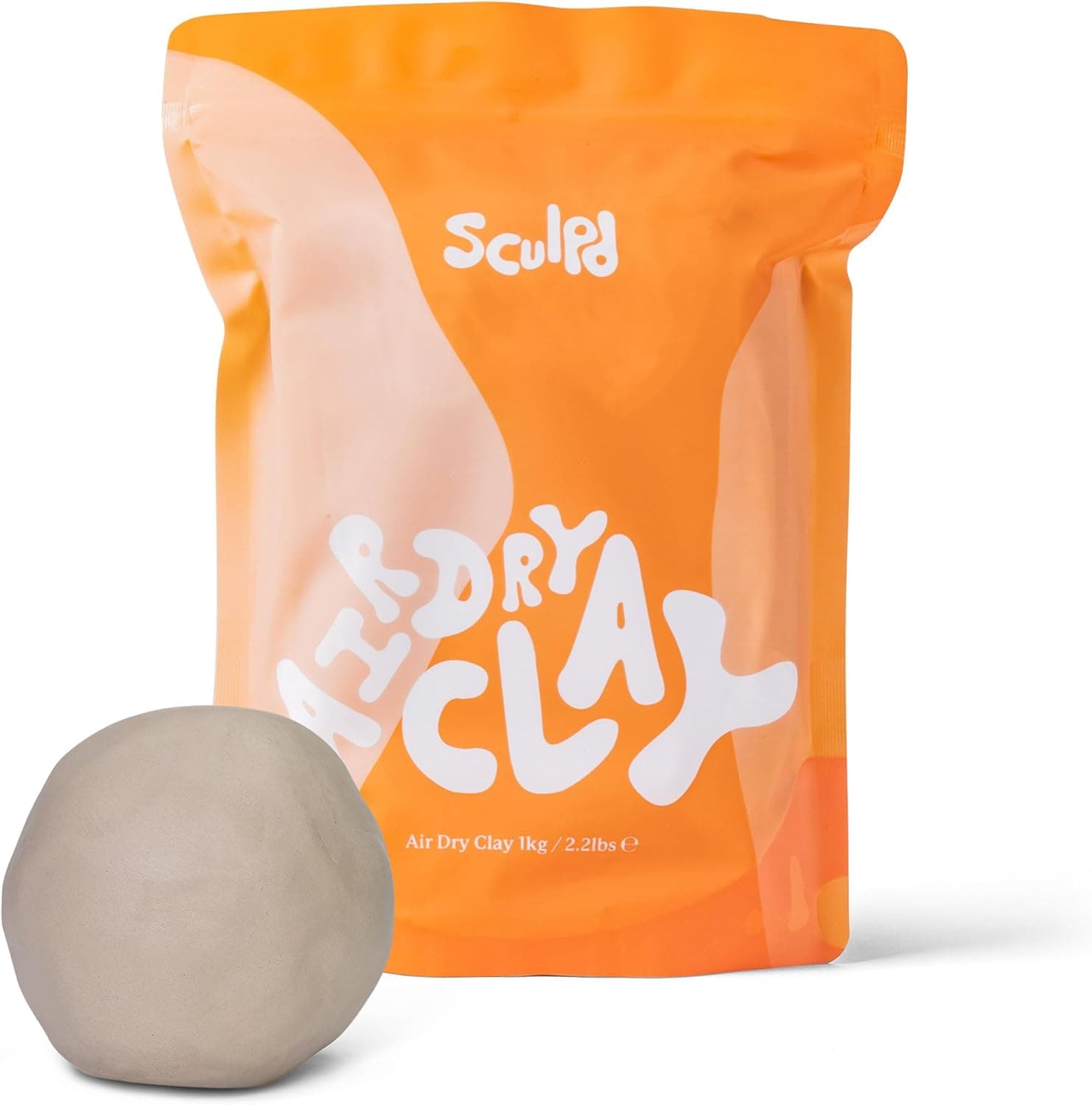
Diagnose and fix the classic wheel throwing failures: off-center wobble, torn rims, s-cracks, thick bottoms, collapsing walls, and water-logged clay.
Air Dry Clay Projects
Air dry clay lets you build without a kiln. Learn which projects succeed, how to prevent cracking, sealing and painting options, and honest limitations.
Home Kiln Setup and Safety
Everything to plan before installing a home kiln: electrical requirements, clearances, ventilation, fire safety, and safe operating habits around firing.
Bisque Firing vs Glaze Firing
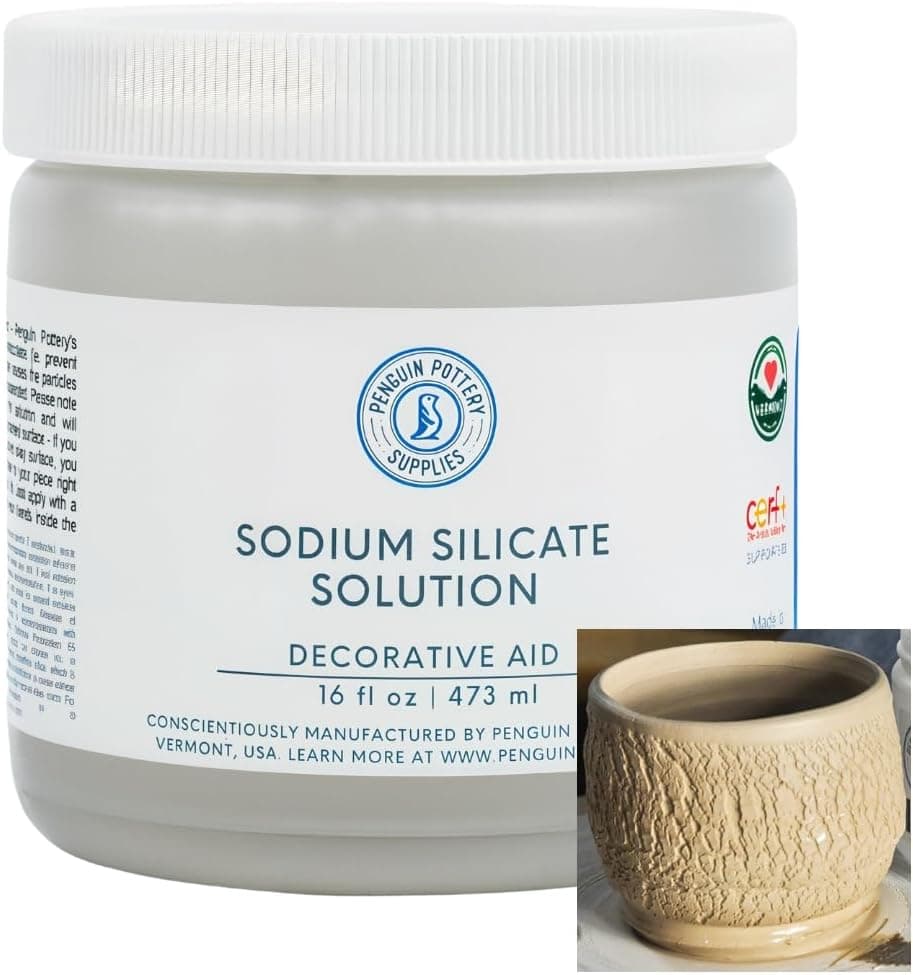
Why most pottery is fired twice: what bisque firing does, how glaze firing differs, loading rules for each, and when single firing actually makes sense.
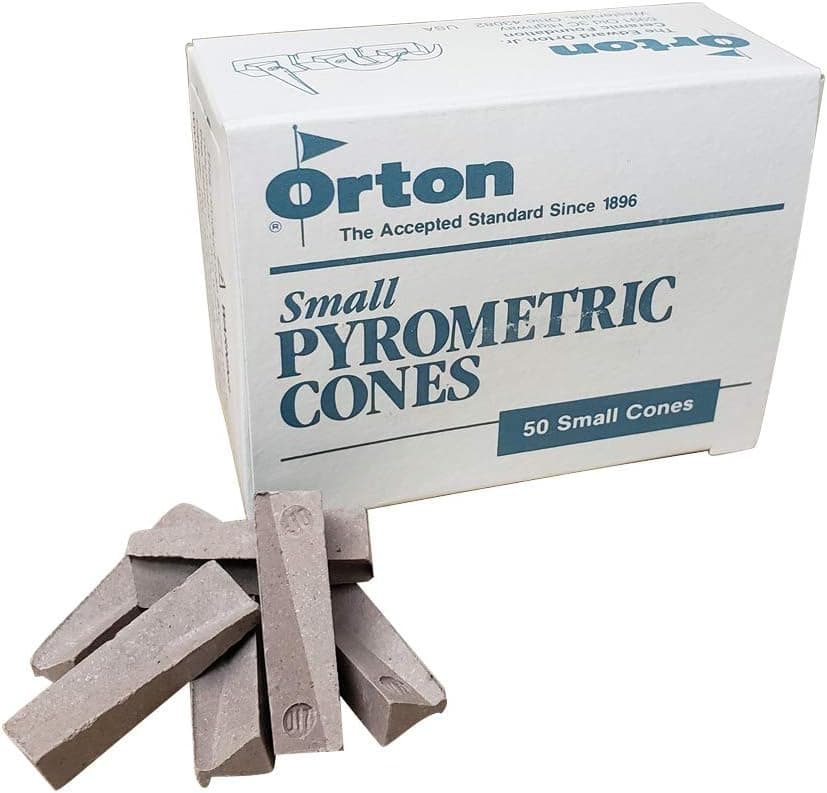
Understanding Cone Temperatures in Pottery Firing
Pyrometric cones measure heatwork, not just temperature. Learn how the cone system works, what cone 06 vs 6 means, and how to match clay, glaze, and kiln.
Firing Schedules Explained
Demystify kiln firing schedules: ramp rates, hold times, critical temperature zones, candling, and why slow early heating saves pots from exploding.
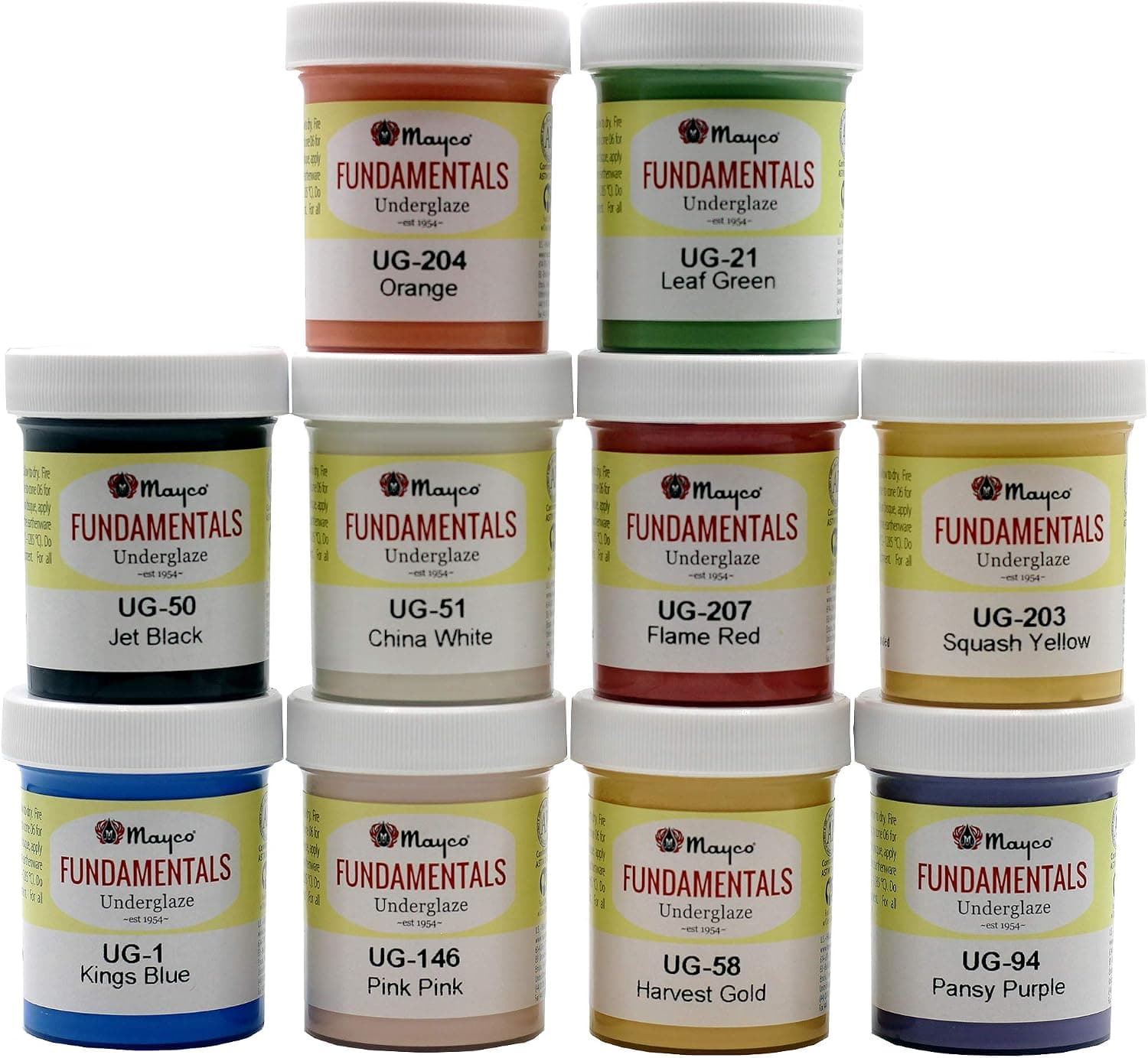
Underglaze Techniques
Underglazes let you paint, stamp, and illustrate on clay with stable color. Learn application stages, layering, sgraffito, transfers, and clear coat tips.

Glazing Basics
Understand glaze fundamentals: what glaze is, dipping vs brushing, application thickness, wax resist, common defects, and how to test before you commit.
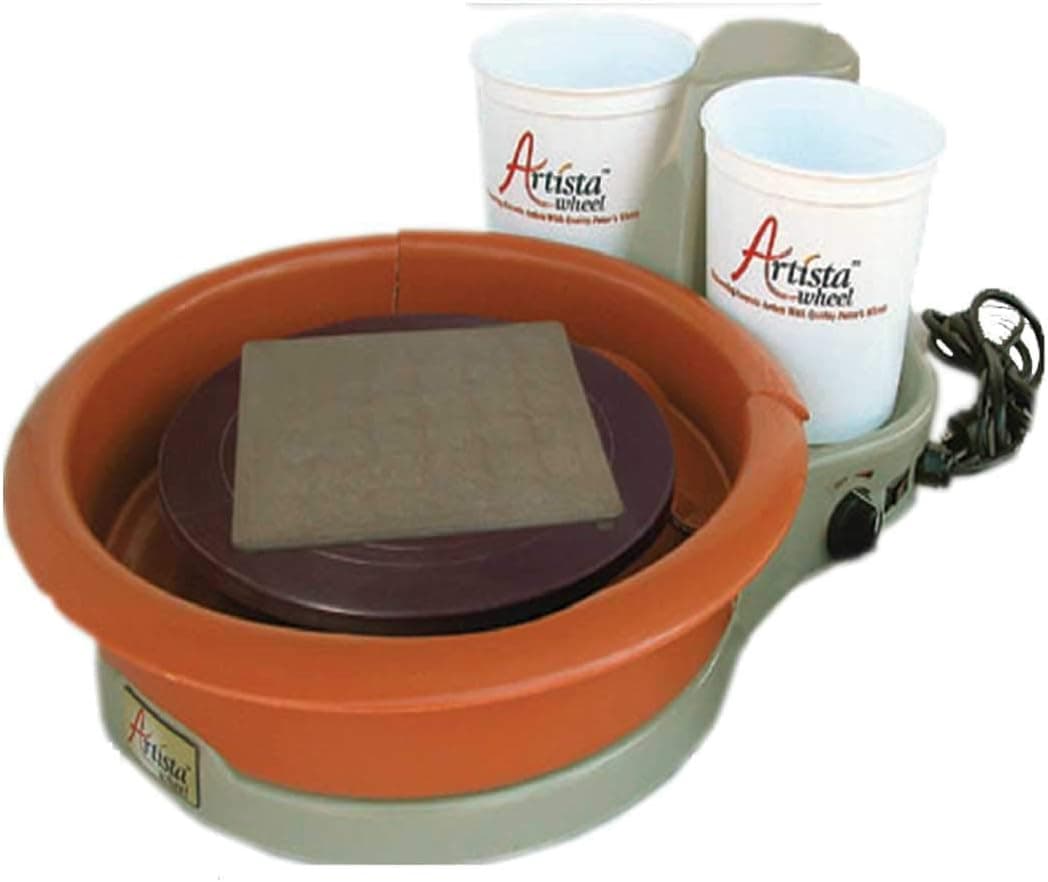
Wedging Clay Explained
Wedging prepares clay for throwing by evening moisture and removing air. Learn ram's head and spiral wedging, common mistakes, and when you can skip it.
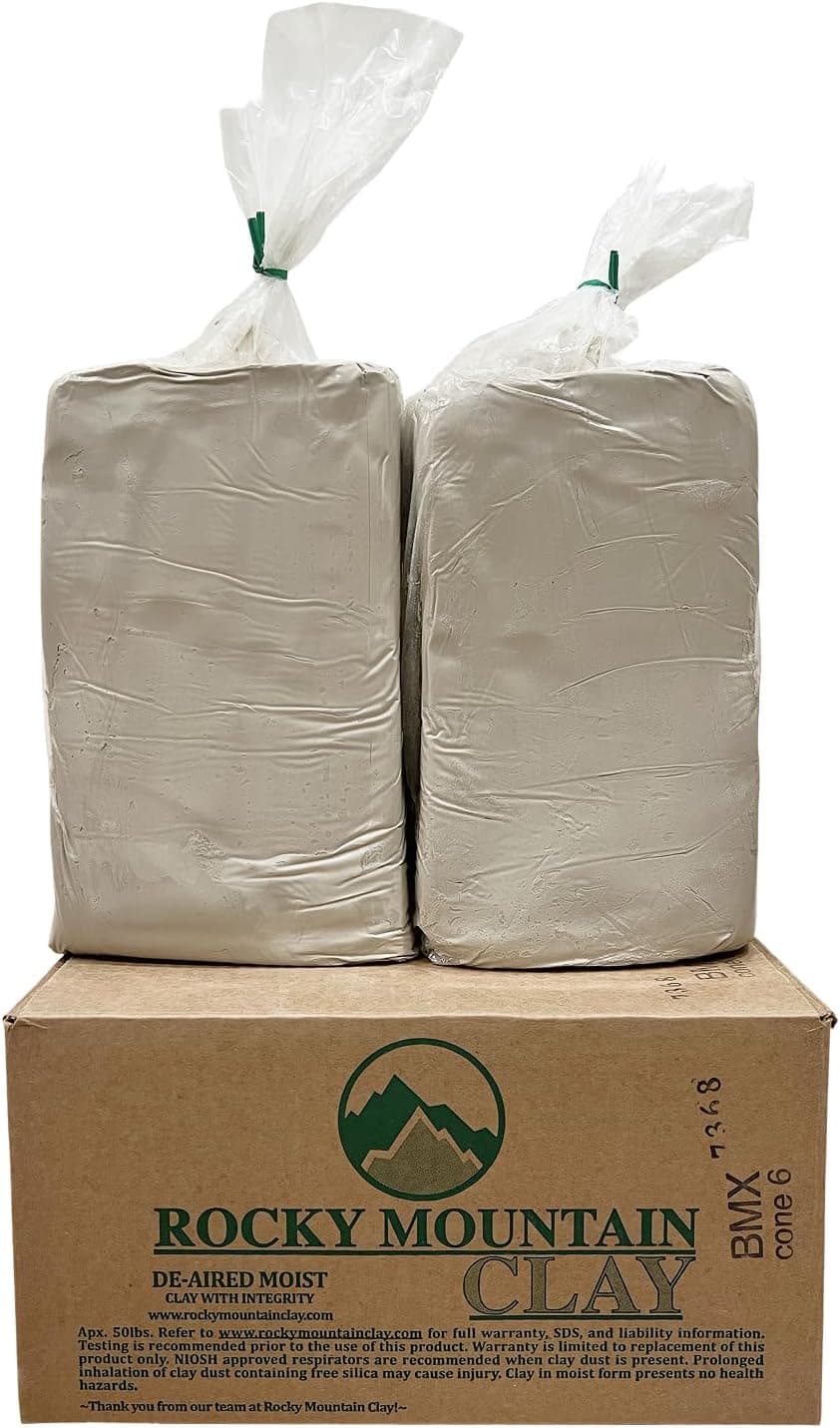
Choosing a Clay Body
How to choose the right clay body for your work: earthenware, stoneware, and porcelain compared by firing range, grog, plasticity, and intended use.
Hand Building vs Wheel Throwing
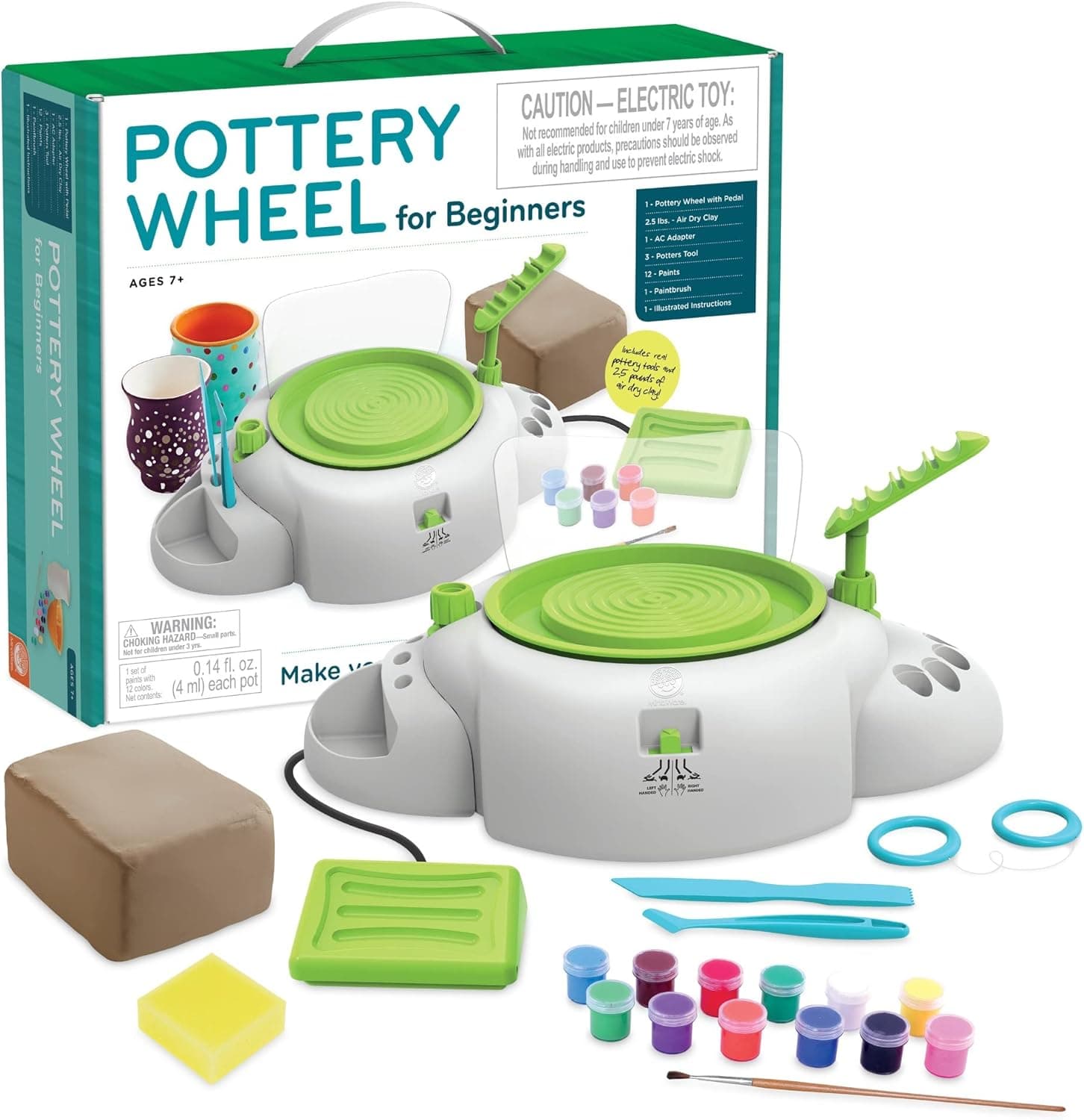
An honest comparison of hand building and wheel throwing: cost, learning curve, space needs, and which suits your goals, plus why the best potters do both.
Trimming Basics
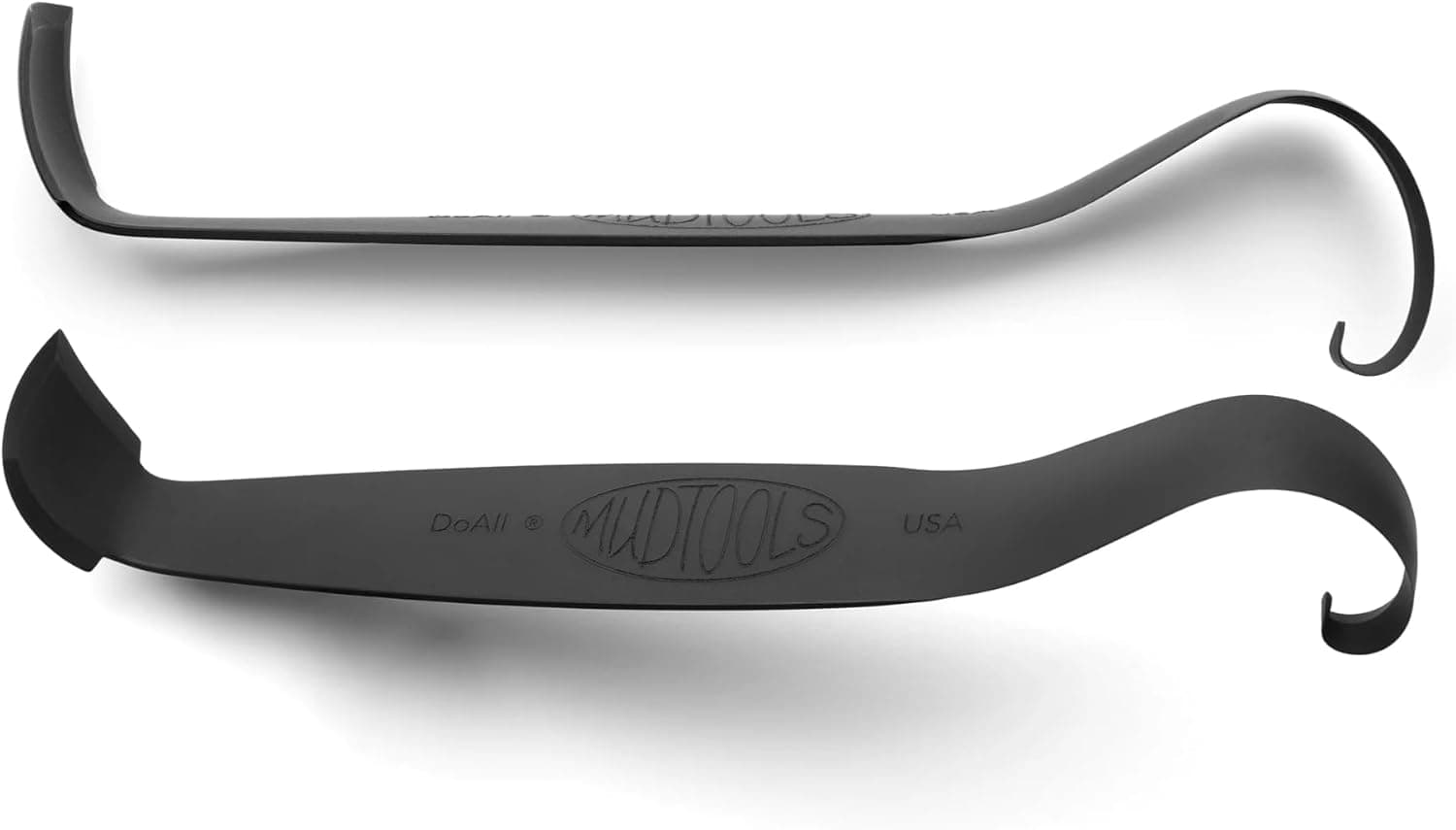
Trimming turns a heavy thrown pot into a finished piece. Learn leather-hard timing, centering upside down, tool choice, and cutting a clean foot ring.
Throwing Your First Bowl on the Pottery Wheel
A step-by-step guide to throwing a bowl: opening, setting the floor, pulling walls, shaping the curve, and avoiding the collapses that catch beginners.
Centering Clay on the Wheel
Learn to center clay reliably: body position, bracing, coning up and down, common mistakes, and drills that fix wobbly clay for beginner potters.
Choosing Your First Pottery Wheel
How to pick a first pottery wheel: motor power, wheel head size, tabletop vs full-size, noise, reversibility, and the specs that matter for beginners.
Pottery for Beginners
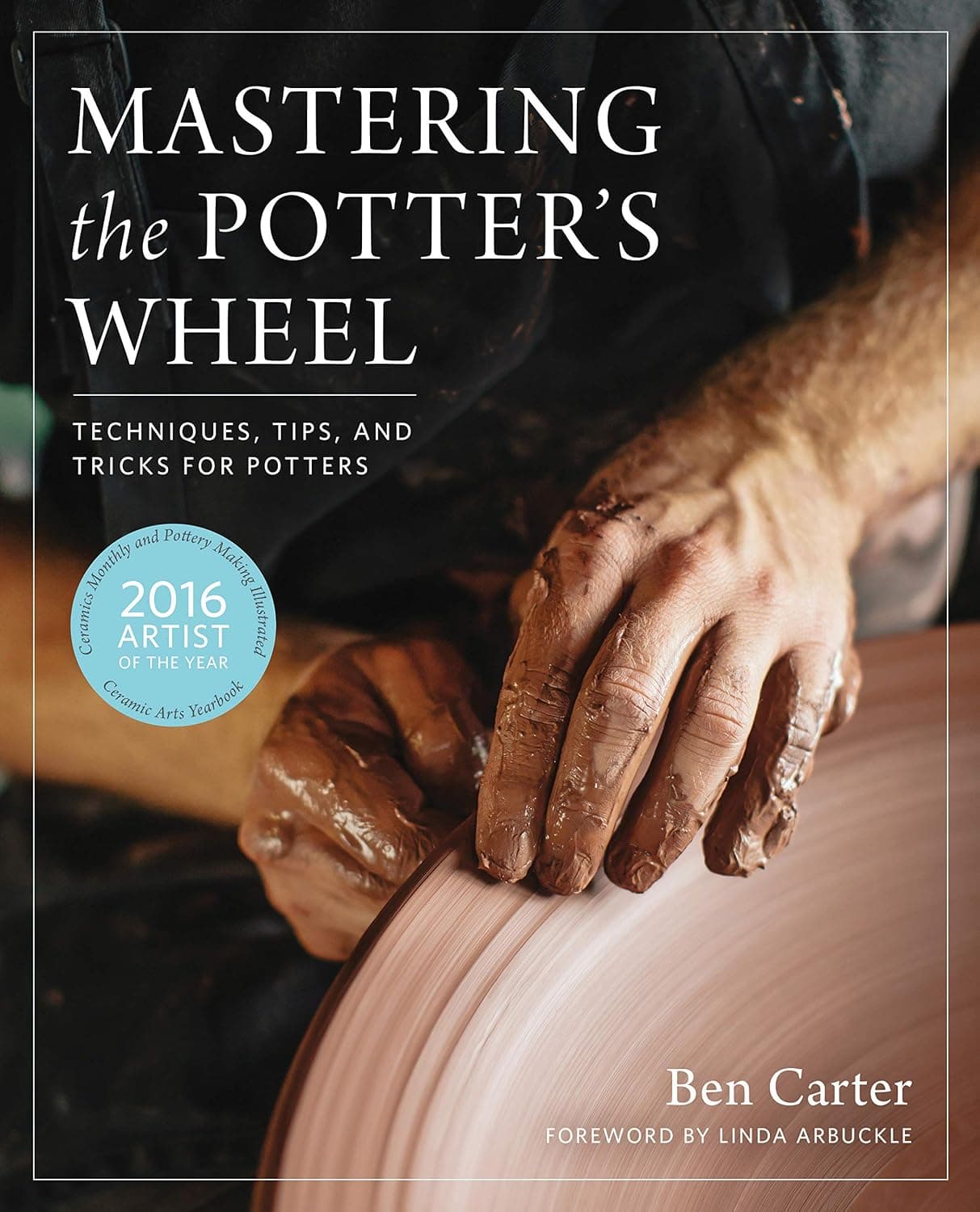
A practical roadmap for starting pottery at home: what clay to buy, which tools actually matter, where to fire your work, and how to build skills fast.