Clay & Materials
Clay choice depends on firing temperature, technique and whether you have kiln access. Stoneware, earthenware, porcelain, paper clay and air-dry clay each suit different goals.
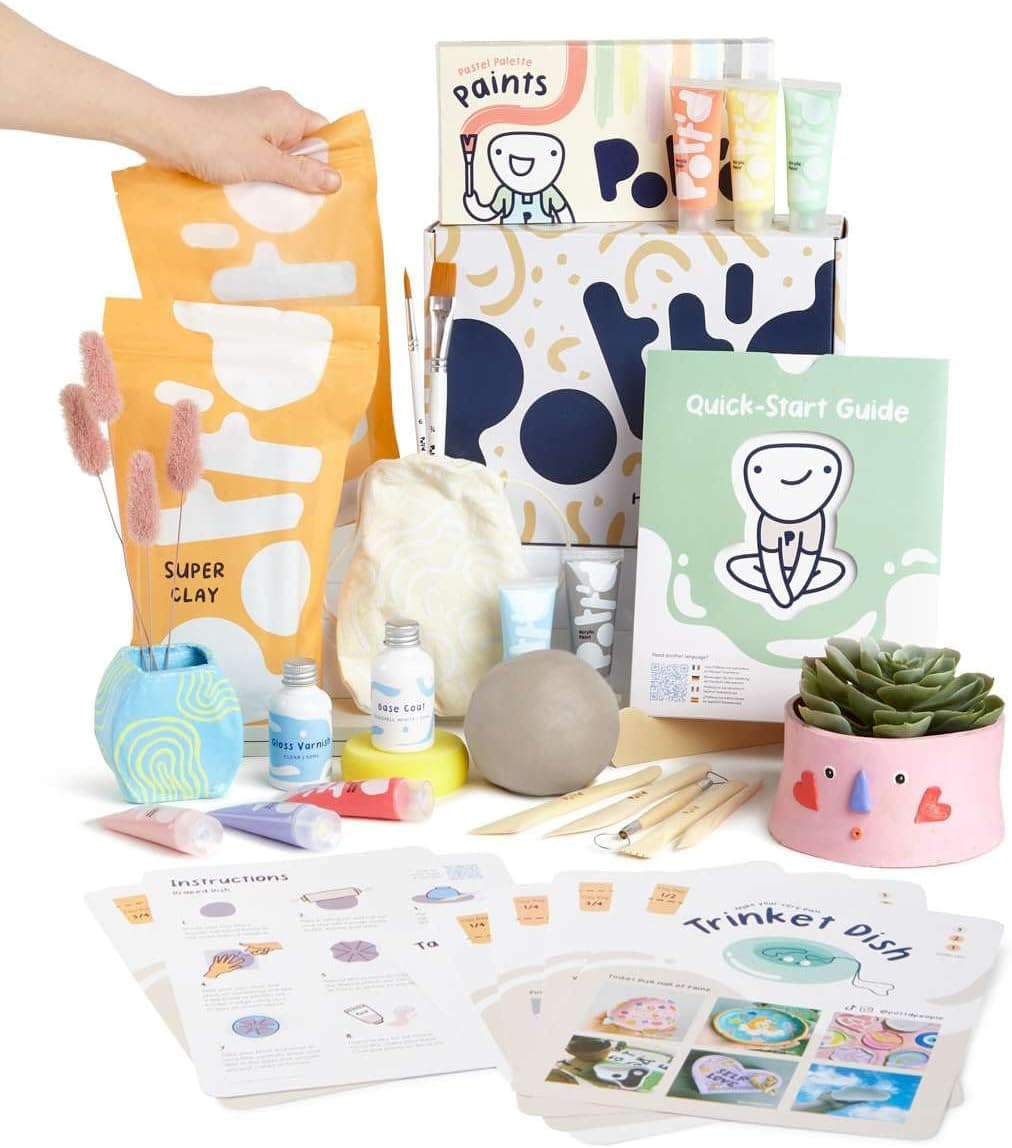
Best Clay for Beginners
The best beginner clay bodies for wheel and handbuilding. Why forgiving stoneware beats porcelain early on, and which bodies to start with.
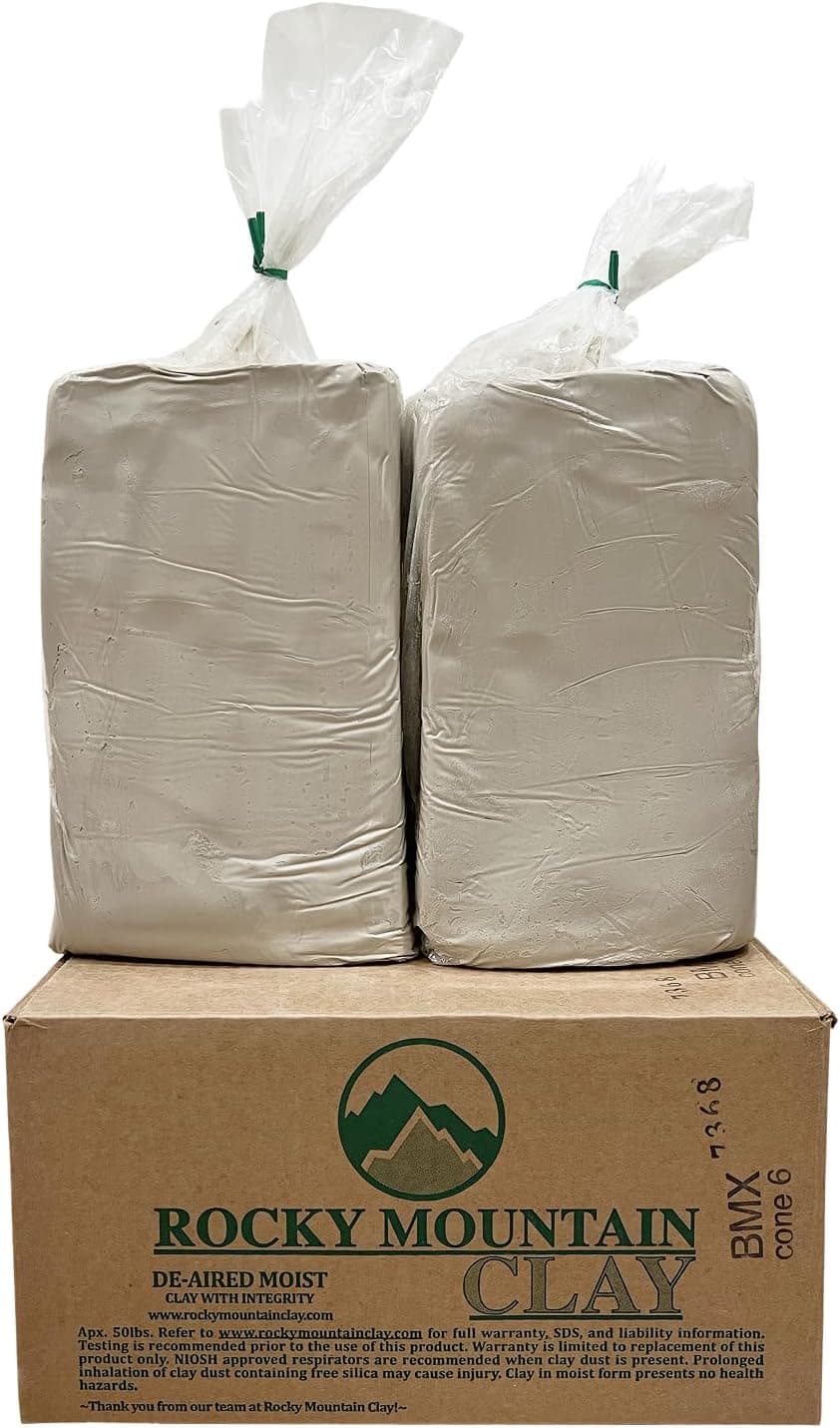
Best Stoneware Clay
The best stoneware clay bodies for throwing and handbuilding. How firing range, grog content, and plasticity affect your results at home.
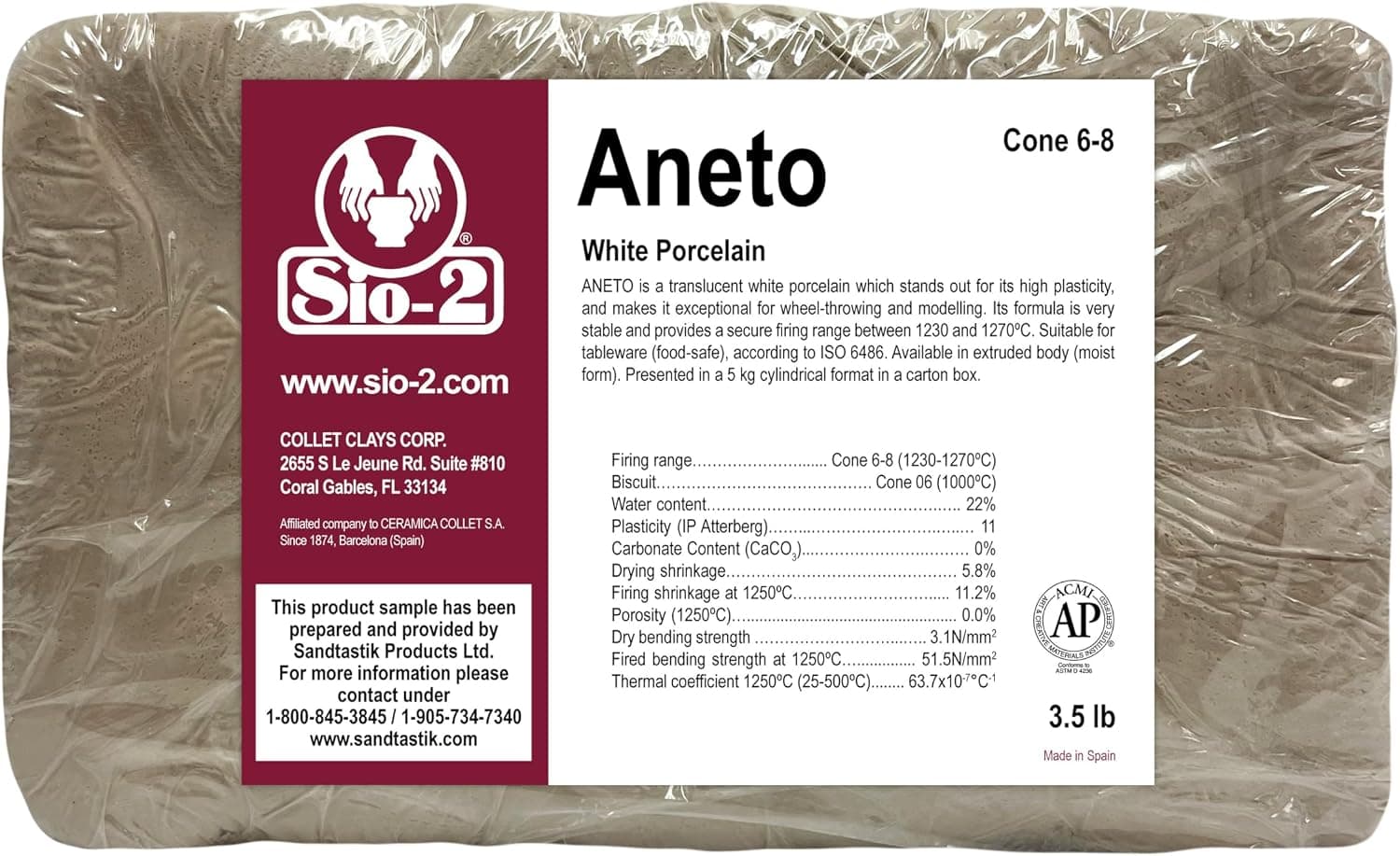
Best Porcelain Clay
Top porcelain clay bodies for home potters. Comparing whiteness, translucency, and workability, plus which porcelains forgive beginners.
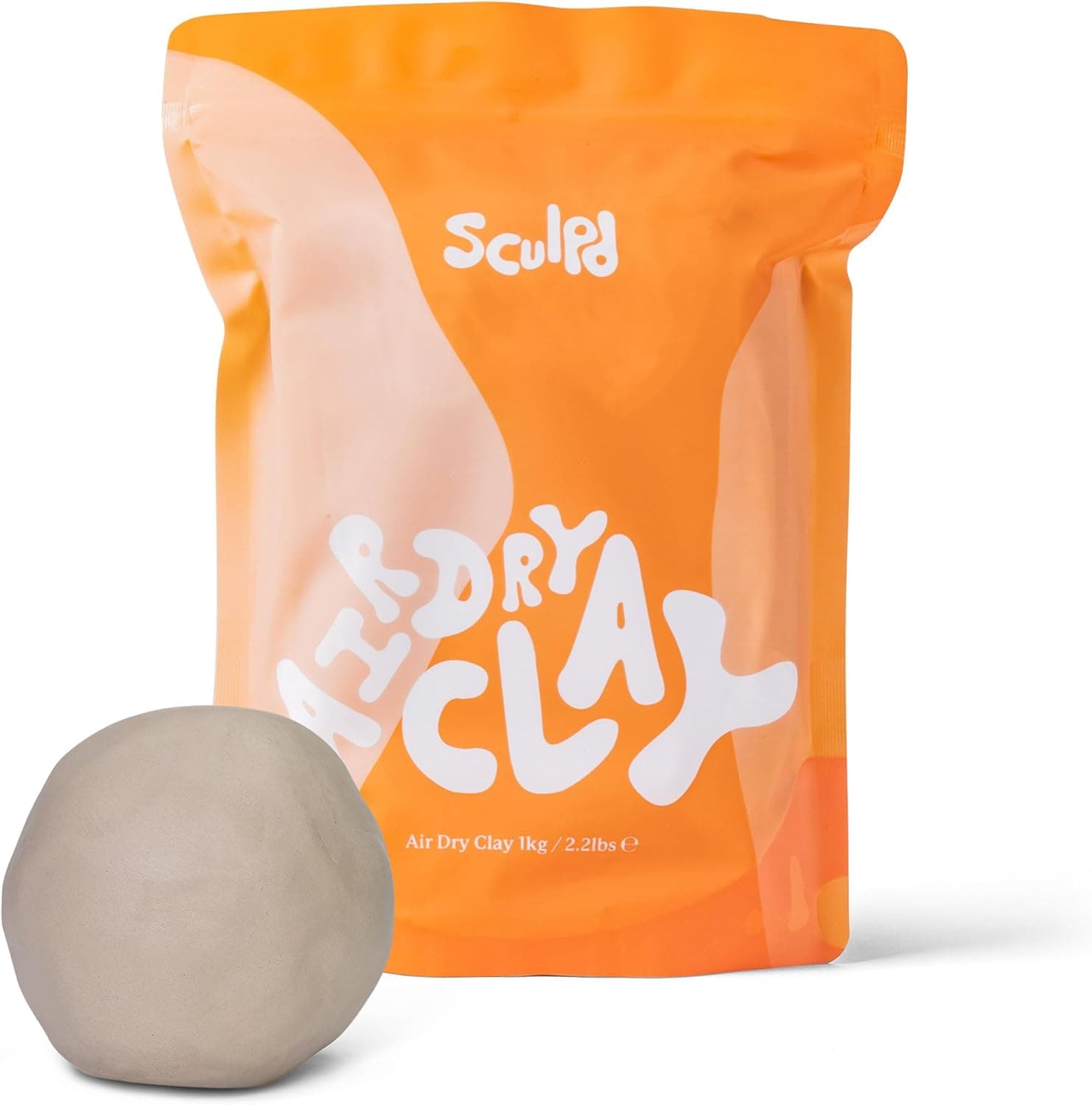
Best Air Dry Clay
The best air dry clays for sculpting and crafts without a kiln. Comparing strength, shrinkage, finish, and which brands resist cracking.
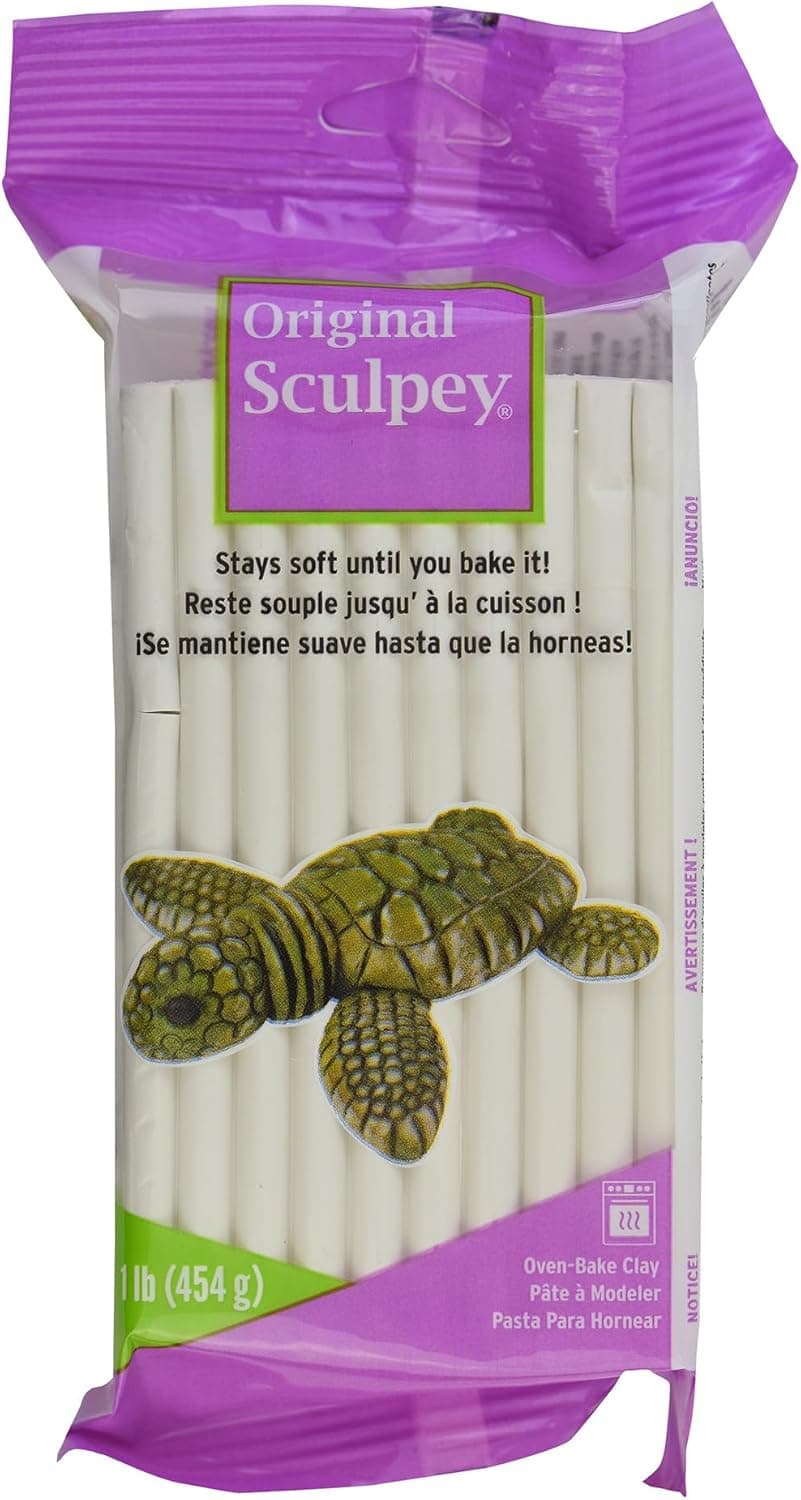
Best Polymer Clay
The best polymer clay brands for jewelry, miniatures, and sculpting. Comparing firmness, flexibility after baking, and color quality.
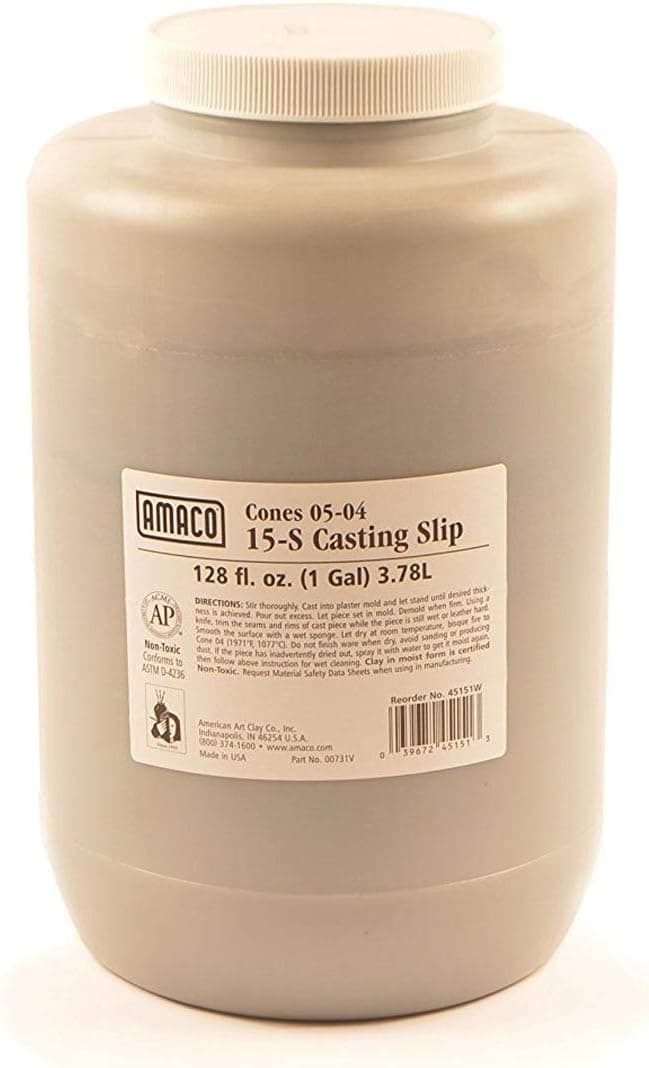
Best Casting Slip
The best casting slips for plaster mold work. Comparing premixed slips by clay body, firing range, and flow for clean, even castings.
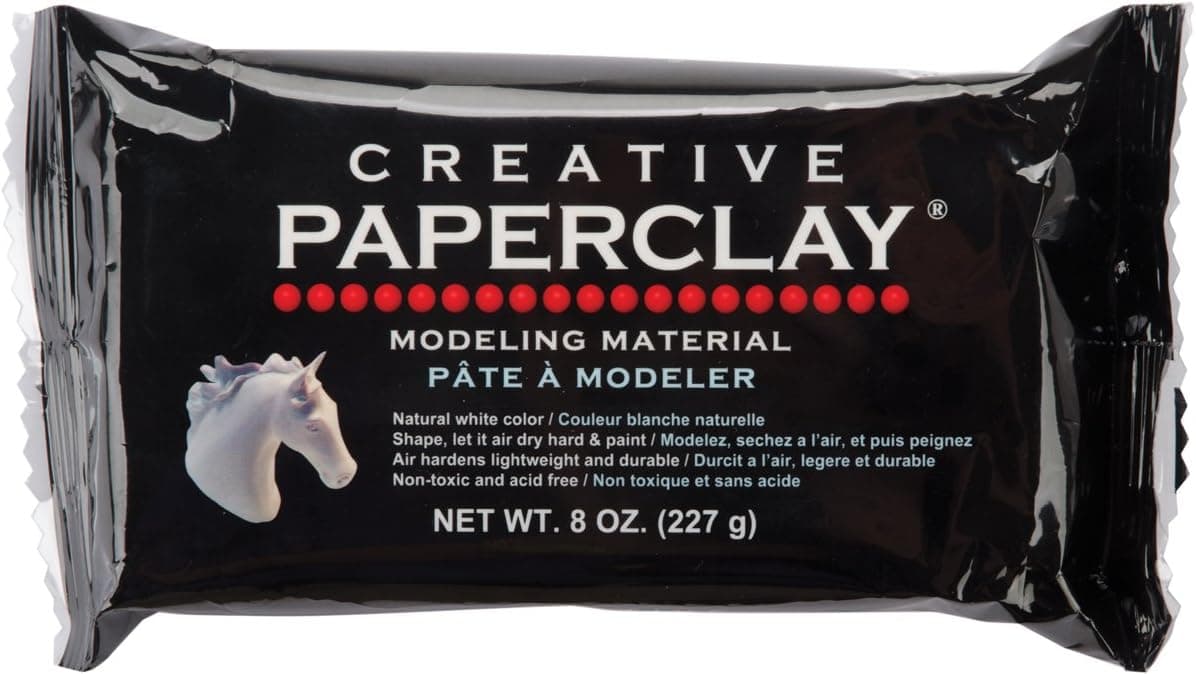
Best Paper Clay
The best paper clay bodies for sculpture and repair work. How cellulose fiber changes drying, joining, and strength, and which brands lead.
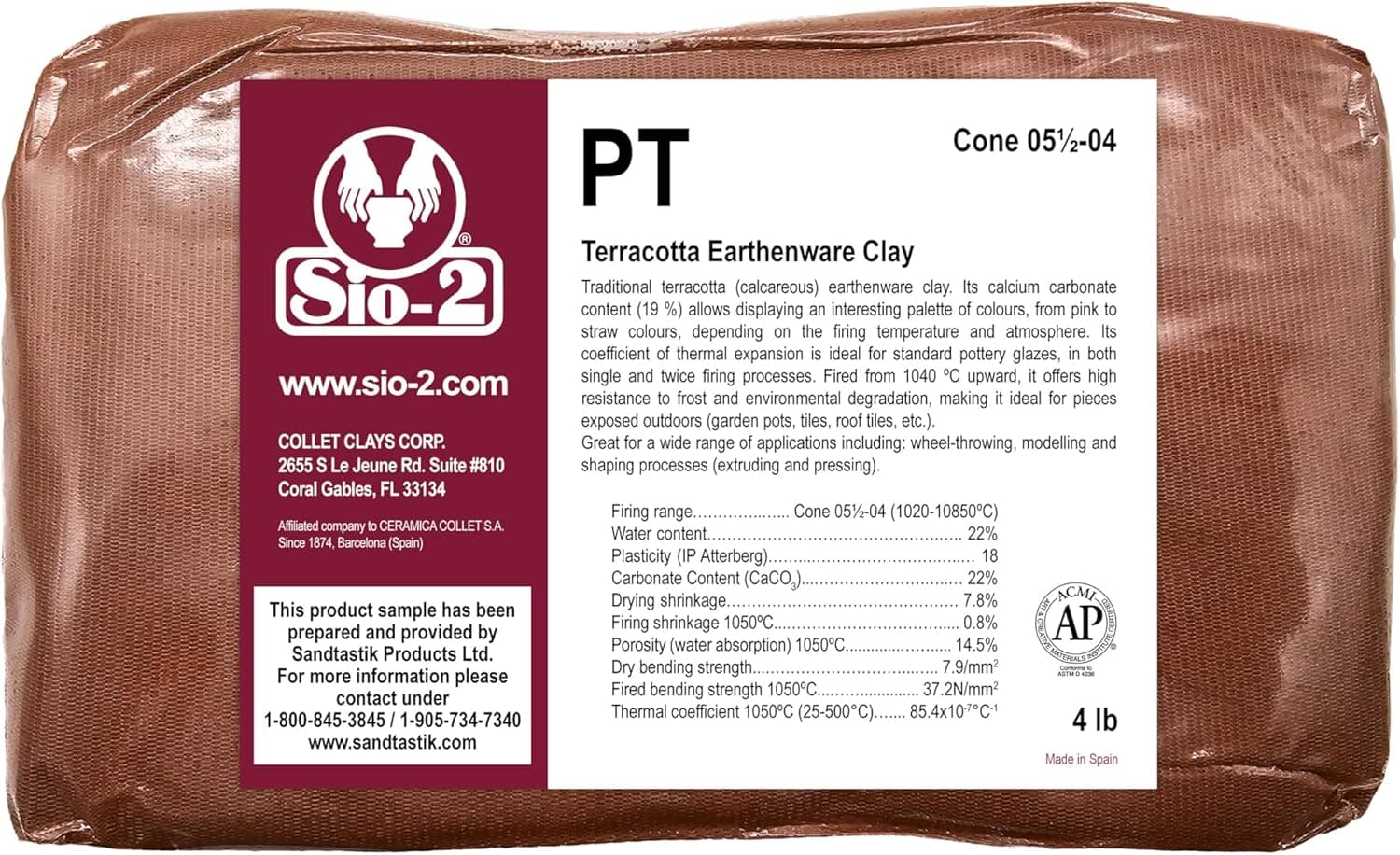
Best Terracotta Clay
The best terracotta and earthenware clays for warm red pottery. Comparing low-fire bodies for planters, tableware, and sculpture at home.
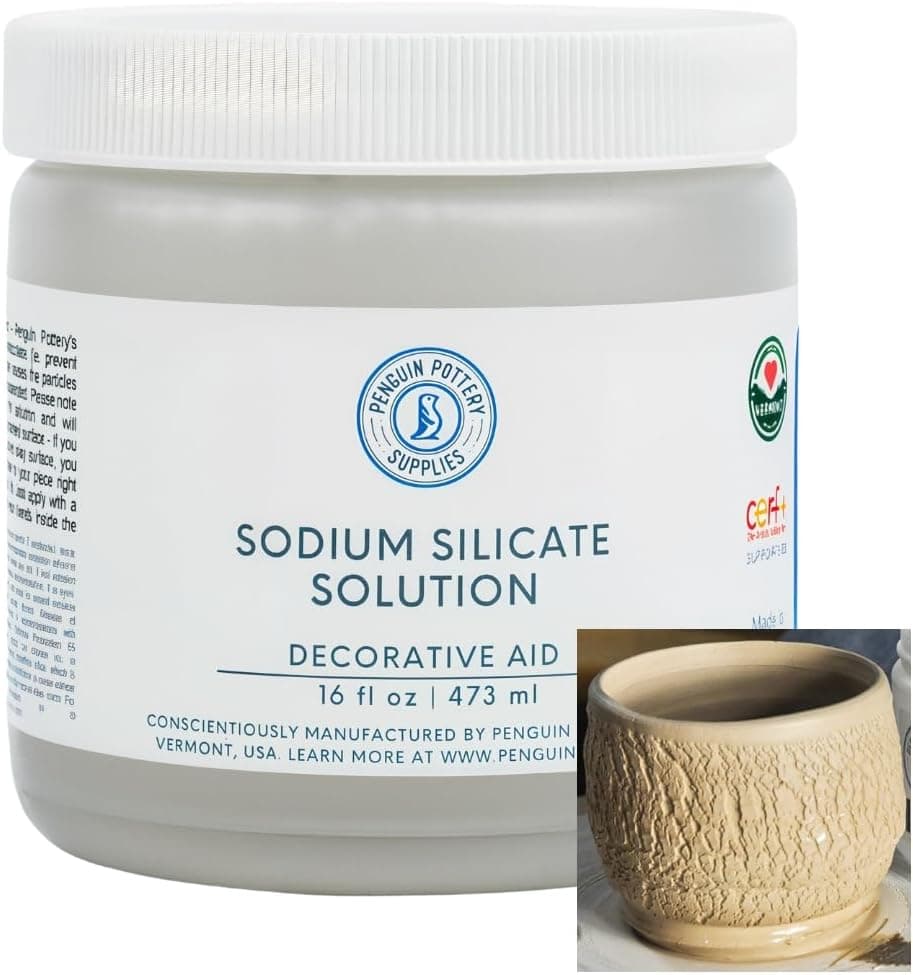
Best Clay Slip and Magic Water
Clay slip, magic water, and joining solutions compared. When each attachment method works best and which premixed products are worth it.
Best Clay for Pottery Without a Kiln
Clay bodies that finish at home with no kiln, compared on how each one hardens, what it can safely hold, and where it cracks or shows every fingerprint.
How to choose
- Match clay to the firing temperature your kiln or studio uses.
- Choose smooth, plastic stoneware for learning to throw.
- Use air-dry clay if you have no kiln access.
- Store clay wrapped airtight so it stays workable.
Common questions
What clay is best for beginners?
Cone 5-6 stoneware is popular because it is forgiving to throw and handbuild and fires to durable, functional ware.
Is air-dry clay food safe?
No. Air-dry clay is not fired and stays porous and water soluble, so use it for decorative pieces only.