Pottery Gift Ideas
Published How we research
The mug remains the king of pottery gifts due to daily use, needing a comfortable handle, good rim feel, stable base, and 300-400ml capacity. For newer potters, small flat forms like ring dishes and planters forgive wobbly walls while remaining genuinely useful. Personalization, a stamped name or date, turns a nice object into a keepsake, best kept subtle on the bottom rather than shouting across the face. Sets read as substantial for bigger occasions and solve the matching problem since pieces from the same firing belong together. Gift only pieces you would keep yourself, confirm food safety, and make gifts on purpose in batches rather than sacrificing your single best pot. A handmade pot is a different category of gift from anything bought, and everyone involved knows it. The maker gave hours, not currency, and the recipient can feel that in the object's weight. But potters also learn quickly that not every pot makes a good gift. The pieces that get used daily and mentioned years later share qualities worth designing for deliberately, and the pieces that migrate to the back of a cupboard share flaws that are just as predictable.
The mug remains the king of pottery gifts
The mug remains the king of pottery gifts for a simple reason: daily use. A mug enters someone's morning routine, and a favorite mug is genuinely mourned when it breaks. To gift-worthy standards, a mug needs a comfortable handle that fits at least two fingers, a rim that feels good against the lips, a stable base, a capacity between roughly 300 and 400 milliliters, and a weight that suggests craft without suggesting a dumbbell. If you make one form repeatedly to gift standard, make it this one. A pair of matching mugs elevates the gesture further, and couples notice the symbolism without it being spelled out.
For newer potters, small flat and open forms are the sweet spot
For newer potters whose mugs are not yet reliable, small flat and open forms are the honest sweet spot. Ring dishes, spoon rests, trinket trays, small planters with drainage holes, salt cellars, and catch-all bowls forgive wobbly walls and heavy bottoms, fire safely, and remain genuinely useful. A hand-built ring dish with a clean glaze looks intentional even from a first-year potter, while an ambitious but struggling teapot announces its struggles. Match the project to your current skill honestly, and the gift reads as confident rather than apologetic.
Personalization is the multiplier that creates a keepsake
Personalization is the multiplier that turns a nice object into a keepsake, and clay accepts it more gracefully than almost any material. A name or date stamped into the base before firing, a short word pressed with letter stamps, initials carved into leather-hard clay, a glaze in the recipient's favorite color, or a dog's silhouette in underglaze: each costs minutes and changes the gift's category. For weddings and new babies, a dated piece becomes an heirloom by definition. One caution earned by every potter's experience: keep inscriptions on the bottom or subtle, since a mug shouting a name across its face gets used less than one whispering it underneath.
Sets deserve consideration for bigger occasions
Sets deserve consideration for bigger occasions. A nesting bowl trio, four small tumblers, a teapot with two cups, or a berry bowl with its saucer reads as substantial in a way one large piece often does not. Sets also solve the potter's dilemma of matching: pieces glazed in the same firing genuinely belong together, and slight variations between them are the signature of the medium rather than a defect. Wrap sets with care, because presentation matters more with handmade goods; simple kraft paper, a fabric wrap, or a wooden box beats glossy gift wrap, and a small card noting the clay and food-safe glaze adds a professional touch while answering the question recipients are too polite to ask.
A few practical rules protect the gesture
A few practical rules protect the gesture. Gift only pieces you would keep: no cracks, no sharp foot rings, no glazes you doubt. Confirm functional pieces are food safe and mention that they are microwave and dishwasher friendly if true, because recipients treat handmade ware as fragile unless told otherwise, and a mug that lives in a display cabinet has failed its purpose. Finally, resist gifting your single best pot ever unless you mean it; the sustainable habit is making gifts on purpose, in batches, with the recipient in mind from the wedging table onward. Pottery given that way carries exactly what people hope a handmade gift carries, and it costs the maker nothing but the hours they were happy to spend anyway.
Frequently asked questions
What makes a pottery mug good as a gift? A comfortable handle that fits at least two fingers, a rim that feels good against the lips, a stable base, a capacity between roughly 300 and 400 milliliters, and a weight suggesting craft without being too heavy.
What pottery pieces are best for beginner potters to gift? Small flat and open forms like ring dishes, spoon rests, trinket trays, and small planters, since they forgive wobbly walls and heavy bottoms while remaining genuinely useful and looking intentional.
Where should you personalize a handmade pottery gift? Keep inscriptions on the bottom or subtle, since a mug shouting a name across its face gets used less than one whispering it underneath.
Should you gift your best-ever pottery piece? Only if you mean it; the sustainable habit is making gifts on purpose, in batches, with the recipient in mind from the start, rather than sacrificing a single best piece.
Products from this article
The highest-scoring picks from the buying guides mentioned above. Scores are our editorial assessment, not customer ratings.
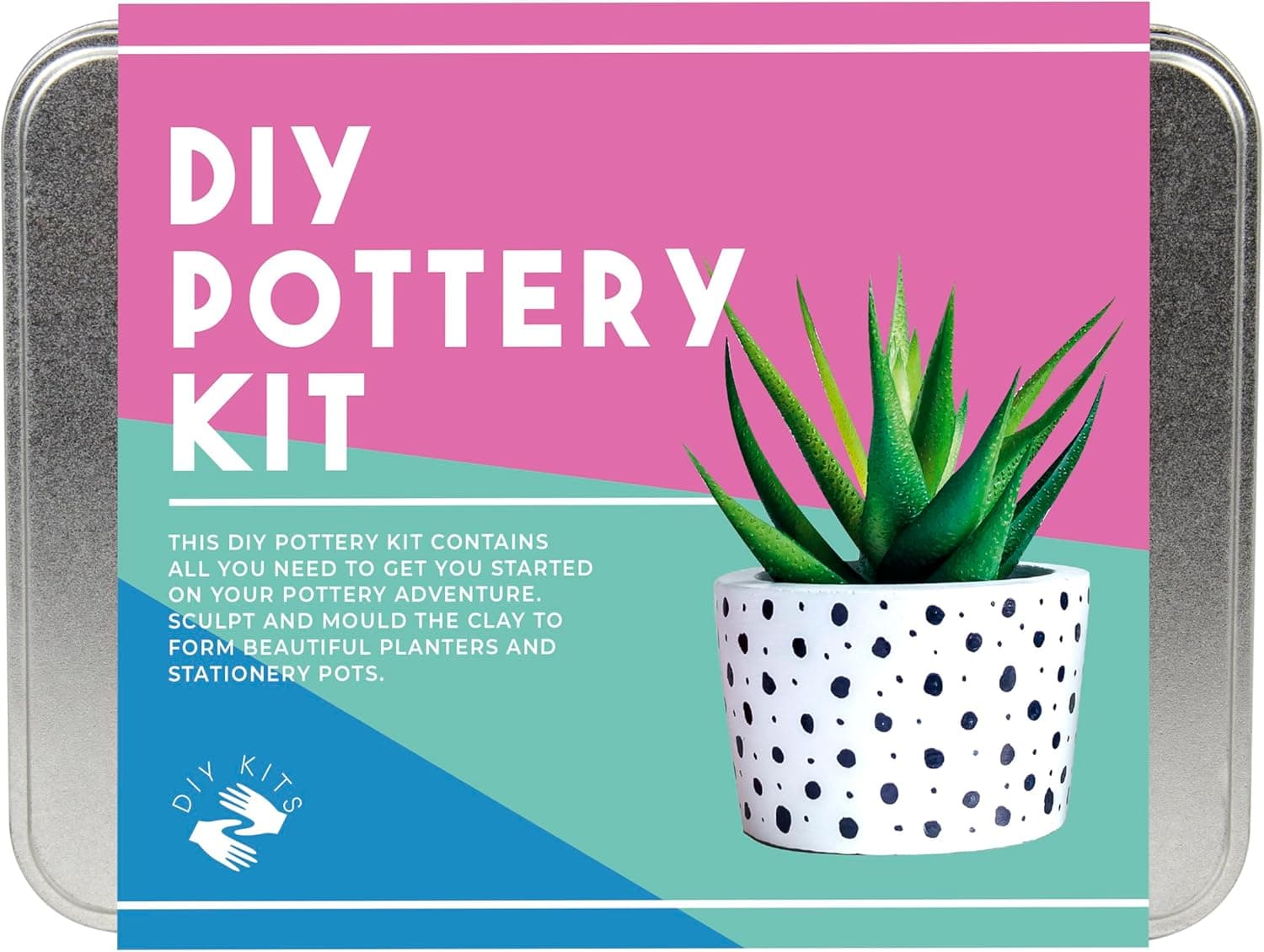
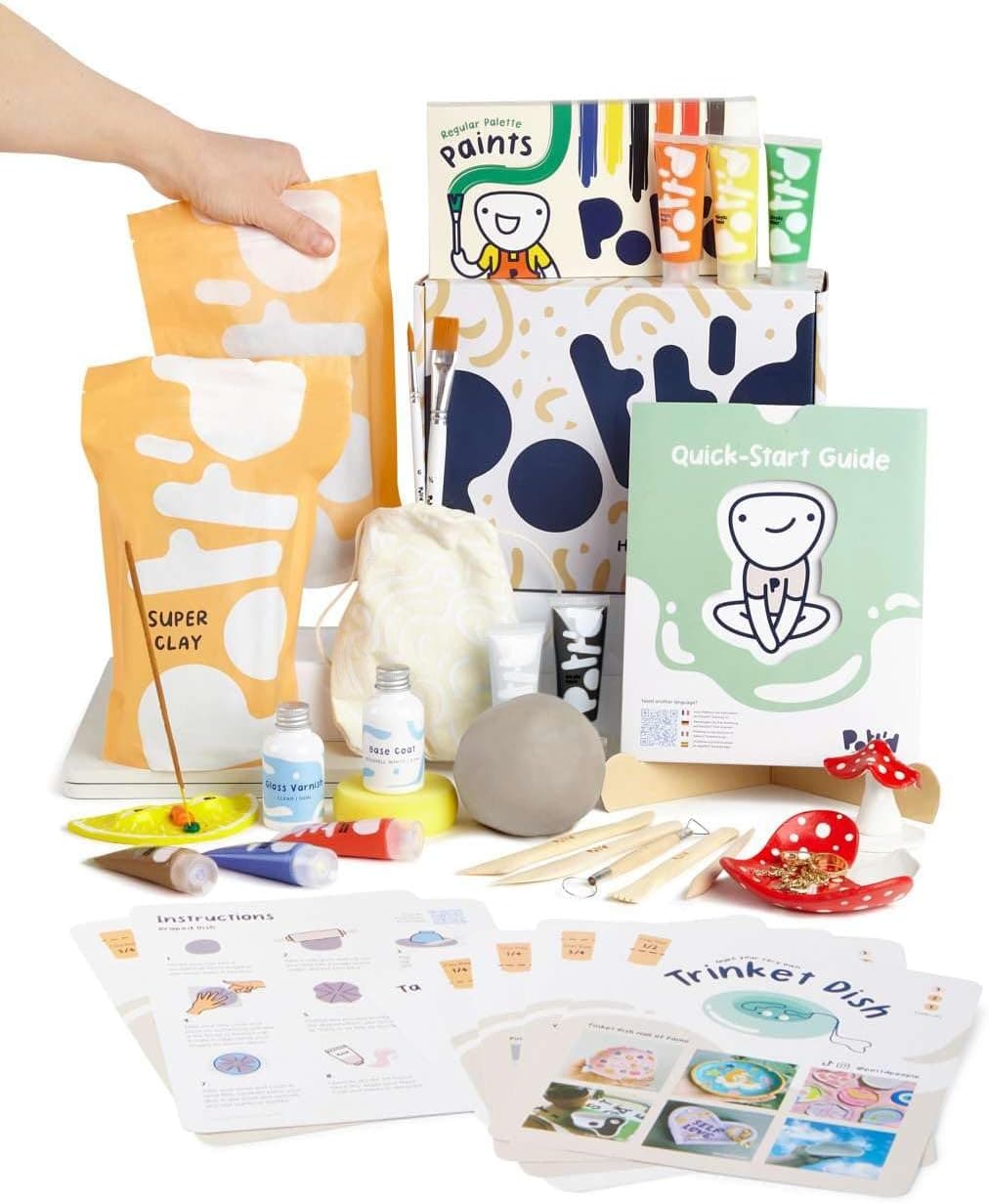
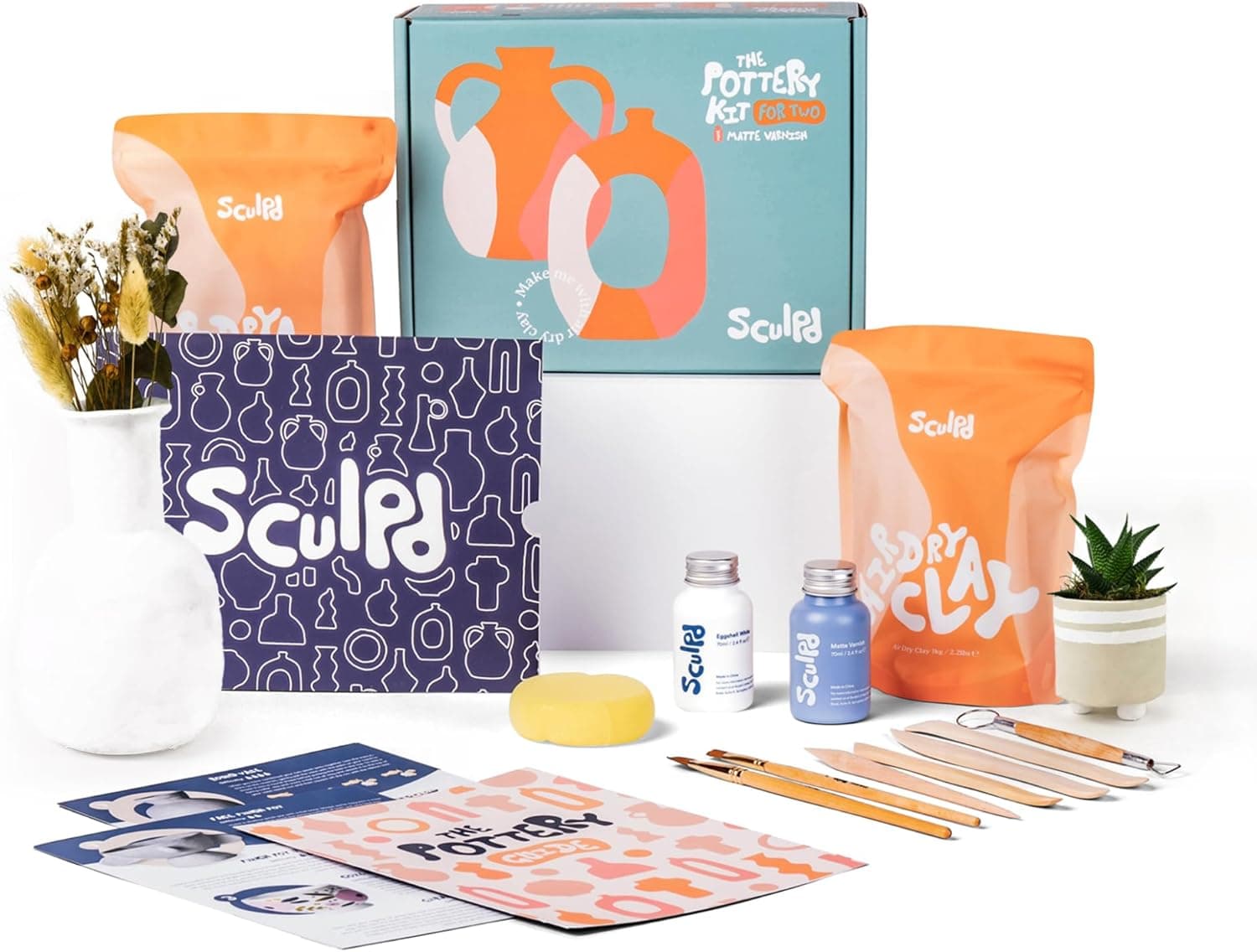
+ Sealant and paints mean projects are finished inside one box
From our guide: Best Pottery Gift Sets for Beginners and Potters You Love
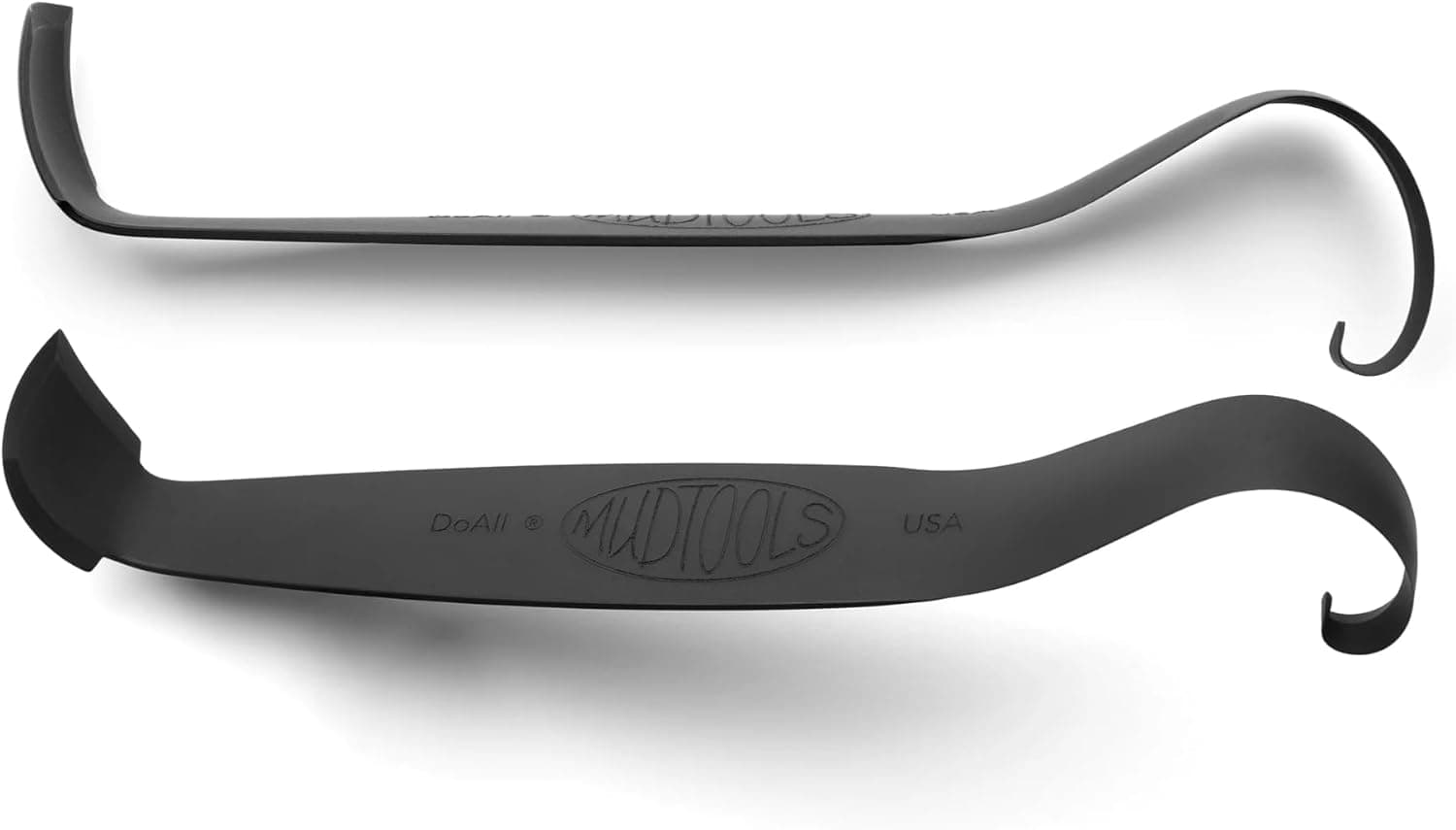
+ Double ended design gives two trimming profiles in one tool
From our guide: Best Trimming Tools for Pottery: Top Picks for Clean Foot Rings
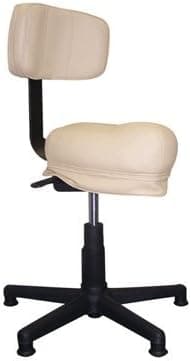
+ 18-23 Inches range fits most wheel heights
From our guide: Best Pottery Studio Stools for Hours at the Wheel
+ Varnish is included for a glossy, protected finish
From our guide: Best Pottery Gift Sets for Beginners and Potters You Love
Popular right now
- Firing Schedules ExplainedArticle
- Best Small Kilns for Test Tiles, Jewelry, and Compact StudiosBuying guide
- Underglaze TechniquesArticle
- Bisque Firing vs Glaze FiringArticle
- Fixing Common Throwing Problems on the Pottery WheelArticle
- Caring for Pottery ToolsArticle
Based on the last 28 days of search and visitor data.