Bisque Firing vs Glaze Firing
Published How we research
Most pottery is fired twice. The bisque firing (usually cone 06 to 04) turns fragile dried clay into a hard but still porous ceramic that can be handled and that drinks water out of a glaze coat. The glaze firing (commonly cone 6) melts the glaze into glass and brings the clay to full maturity. Bisque loads can be stacked with pots touching; glaze loads need clearance because every glazed surface becomes liquid glass at peak. Newcomers are often surprised to learn that most pottery goes through the kiln twice. The first pass, the bisque firing, transforms fragile dried clay into a hard, porous ceramic. The second, the glaze firing, melts the glaze coating into glass and brings the clay body to full maturity. Splitting the process costs electricity and time, so it is worth understanding what each firing actually accomplishes and why the two-step approach became the standard almost everywhere.
Bisque firing exists to make glazing practical
Bisque firing exists mainly to make glazing practical. Bone dry greenware is astonishingly fragile; a moment of clumsiness while dipping it in a bucket of glaze would dissolve or break it, since unfired clay softens in water. Bisqueware, fired typically to cone 06 or 04, is tough enough to handle, stack, and scrub, yet it remains porous, and that porosity is the point. When bisqueware touches glaze, the pores drink water out of the suspension and pull a snug layer of glaze powder onto the surface. The whole mechanics of dipping and brushing rely on that absorbency.
The bisque firing burns things out
The bisque firing also does the dirty work of burning things out. Organic matter in the clay, wax, paper fibers, and lingering chemically bound water all leave during bisque. Doing this in a dedicated firing matters because these burnouts release gases, and if they happened under an already-melting glaze layer, the gases would bubble through it and leave pinholes and craters. A thorough bisque, fired slowly with good ventilation, is the best pinhole prevention there is. This is also why bisque loads can be stacked generously, with pots nested inside pots and rims touching, since there is no glaze to weld pieces together.
Glaze firing runs by opposite rules
Glaze firing runs by opposite rules. Every glazed surface becomes liquid glass at peak temperature, so no glazed area may touch another pot, a shelf, or a kiln post. Pieces need a few millimeters of clearance, feet must be bare or waxed clean, and anything that might drip gets a sacrificial cookie of clay underneath. The firing itself usually climbs faster than bisque in the early stages, because the water and organics are already gone, then finishes at the clay's maturity, commonly cone 6, often with a short soak to smooth the melted surface. The kiln load is sparser, the stakes are higher, and shelf placement becomes a small game of spatial planning.
Why bisque is cooler than glaze
The two firings also serve different priorities in temperature choice. It surprises people that bisque is deliberately cooler than glaze in the common mid-fire workflow, because a bisque hot enough to vitrify the body would close the pores and leave nothing to grip the glaze. Some traditions invert this: industrial porcelain production often bisques high and glazes low. For a home potter, the standard sequence of cone 06 to 04 bisque followed by cone 6 glaze is a reliable default that suits nearly all commercial materials.
When single firing makes sense
Single firing, where glaze goes onto raw greenware and one firing does everything, deserves a mention because it genuinely works and saves energy. Glazes must be applied to dry greenware quickly, ideally by spraying or fast pouring, and the schedule must combine slow bisque-style early ramps with a glaze finish, plus glazes tolerant of burnout gases passing through them. It rewards experienced potters with consistent habits and punishes everyone else with crawling and pinholes. Learn the two-firing rhythm first; once your loss rate is low and your process steady, single firing is a worthwhile experiment rather than a gamble.
Frequently asked questions
Why is pottery fired twice? The first (bisque) firing makes fragile greenware tough enough to glaze while keeping it porous so it absorbs the glaze; the second (glaze) firing melts the glaze to glass and matures the clay body.
What cone is a bisque firing? Typically cone 06 to 04, roughly 1000C, deliberately short of the clay's maturity so the pot stays porous enough to grip the glaze.
Can I stack pots touching in a bisque firing? Yes, generously, with pots nested and rims touching, because there is no glaze to weld pieces together. Glaze firings need a few millimetres of clearance everywhere.
Is single firing (glazing raw greenware) possible? Yes, and it saves energy, but it rewards experienced potters with steady habits and punishes everyone else with crawling and pinholes. Learn the two-firing rhythm first.
Products from this article
The highest-scoring picks from the buying guides mentioned above. Scores are our editorial assessment, not customer ratings.
+ 24 Pcs needles in various sizes cover hairline to bold slip lines
From our guide: Best Clay Slip and Magic Water
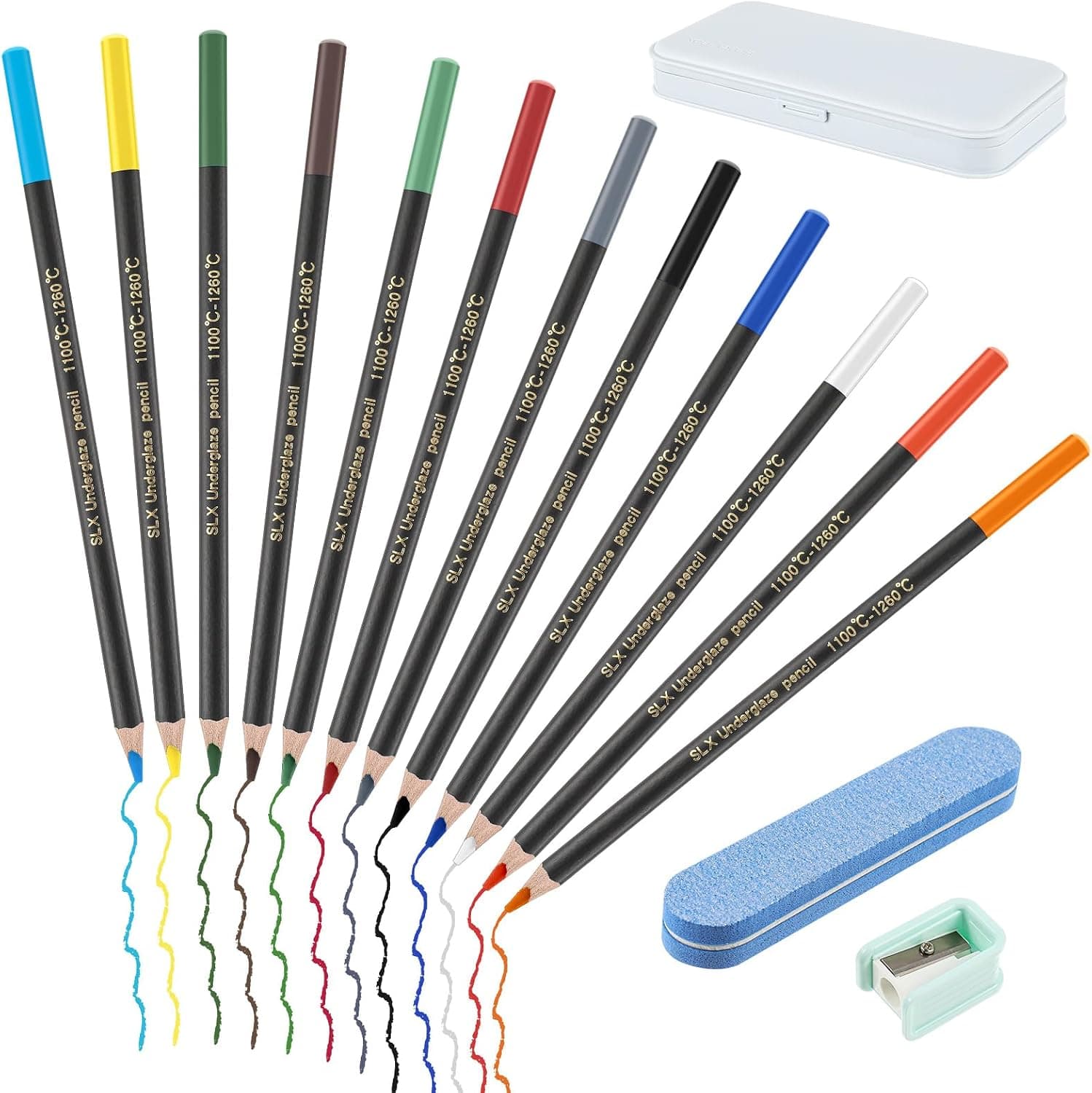
+ Sharpener and eraser included for clean, precise detail work
From our guide: Best Underglaze Pencils: Draw Fine Ceramic Detail on Bisque
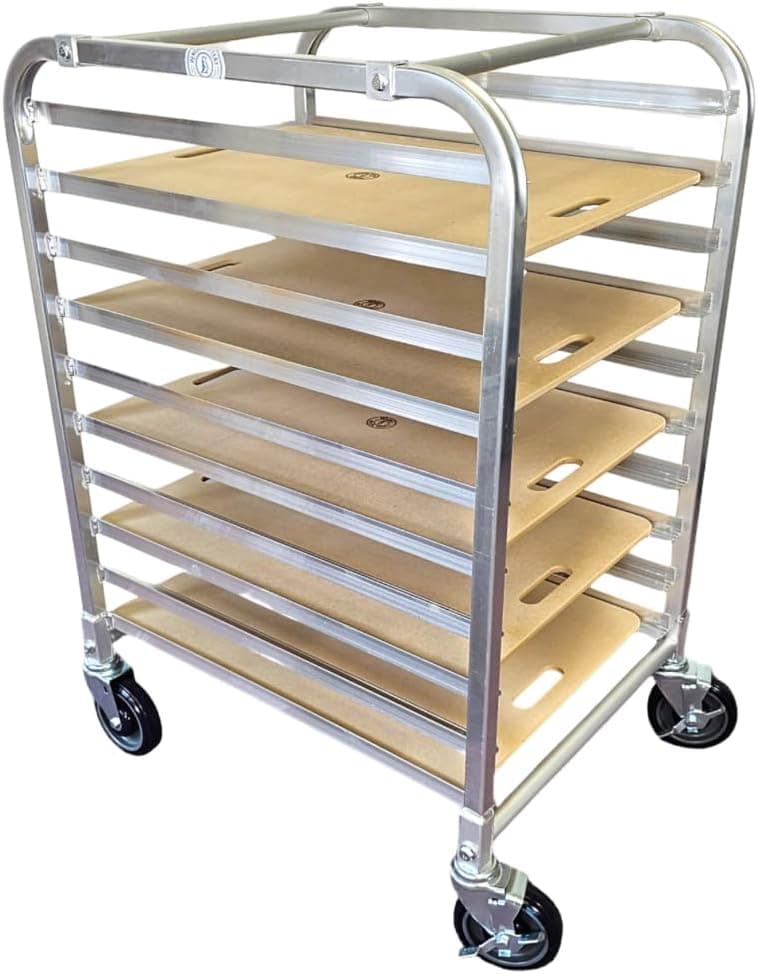
+ Plastic cover slows drying so greenware does not crack
From our guide: Best Pottery Studio Storage
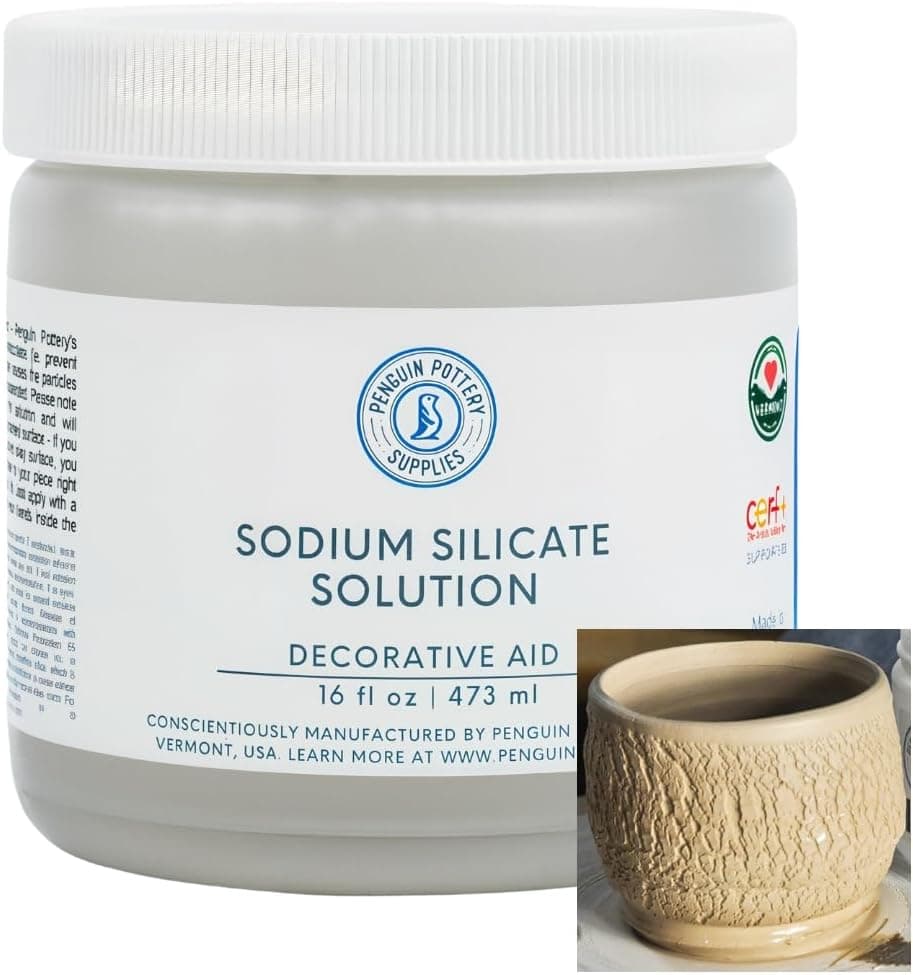
+ Key ingredient for mixing magic water to join and repair clay
From our guide: Best Clay Slip and Magic Water

Popular right now
- Firing Schedules ExplainedArticle
- Best Small Kilns for Test Tiles, Jewelry, and Compact StudiosBuying guide
- Underglaze TechniquesArticle
- Fixing Common Throwing Problems on the Pottery WheelArticle
- Caring for Pottery ToolsArticle
- Best Glaze Brushes: Soft, High-Capacity Brushes for Even CoatsBuying guide
Based on the last 28 days of search and visitor data.