How to Paint Clay Pottery: Choosing the Right Paint for Your Clay Stage
Published How we research
To paint clay pottery, match the paint to the clay stage: use underglaze or glaze on greenware or bisque that will be fired again, and use acrylic paint with a sealer on air dry clay or pieces that are already fully fired. Paint and clay have to agree, because the wrong choice either burns off in the kiln or flakes off in use. This guide walks through each case, the number of coats, and the mistakes that cause patchy color.
Products from this article
The highest-scoring picks from the buying guides this article links to. Scores are our editorial assessment, not customer ratings.
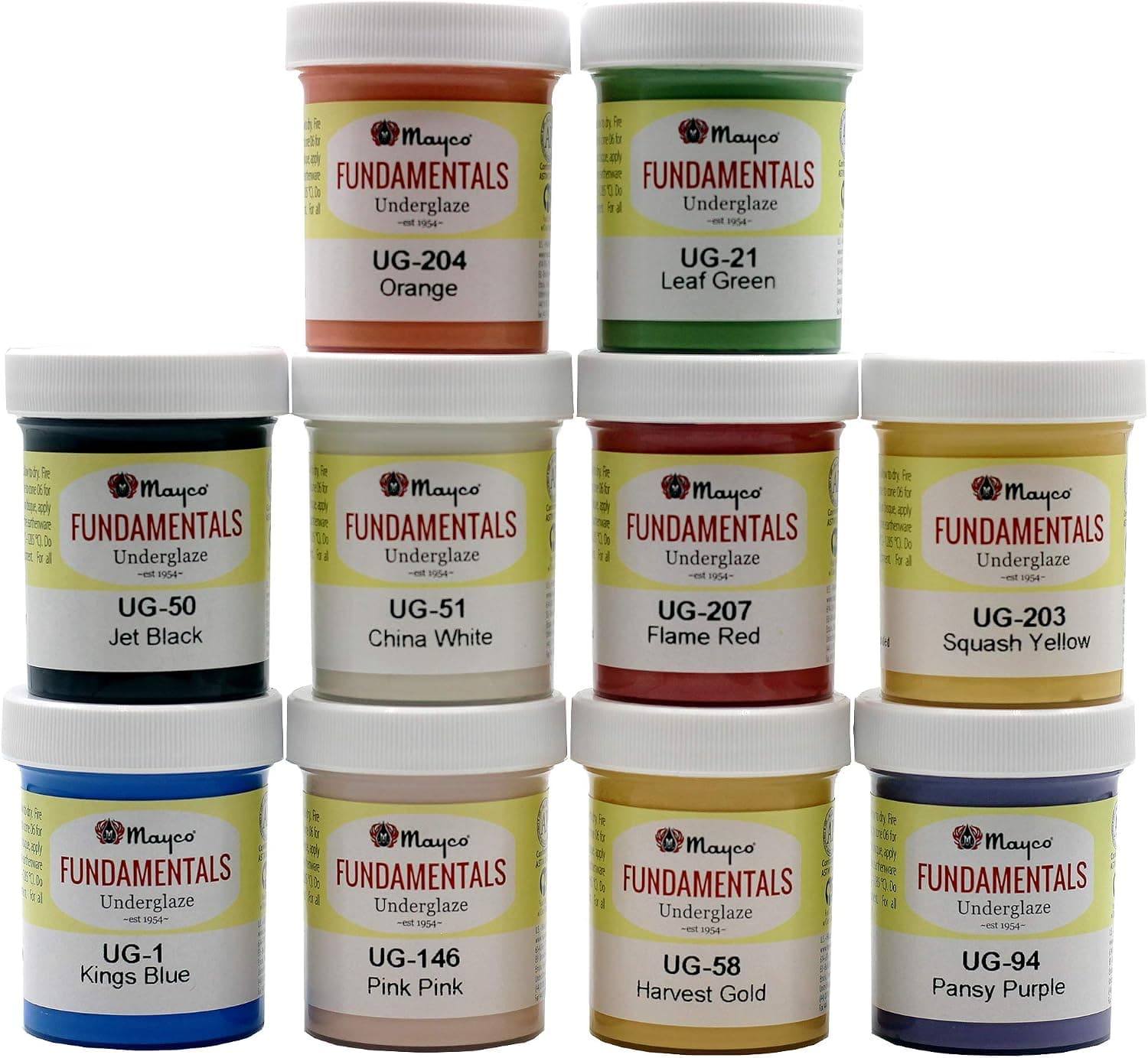
+ Velvet underglazes are a studio standard for reliable, even color
From our guide: Best Underglazes: Vivid, Stable Color for Every Firing Range
+ Wool hake brushes hold heavy glaze loads for even coats
From our guide: Best Glaze Brushes: Soft, High-Capacity Brushes for Even Coats
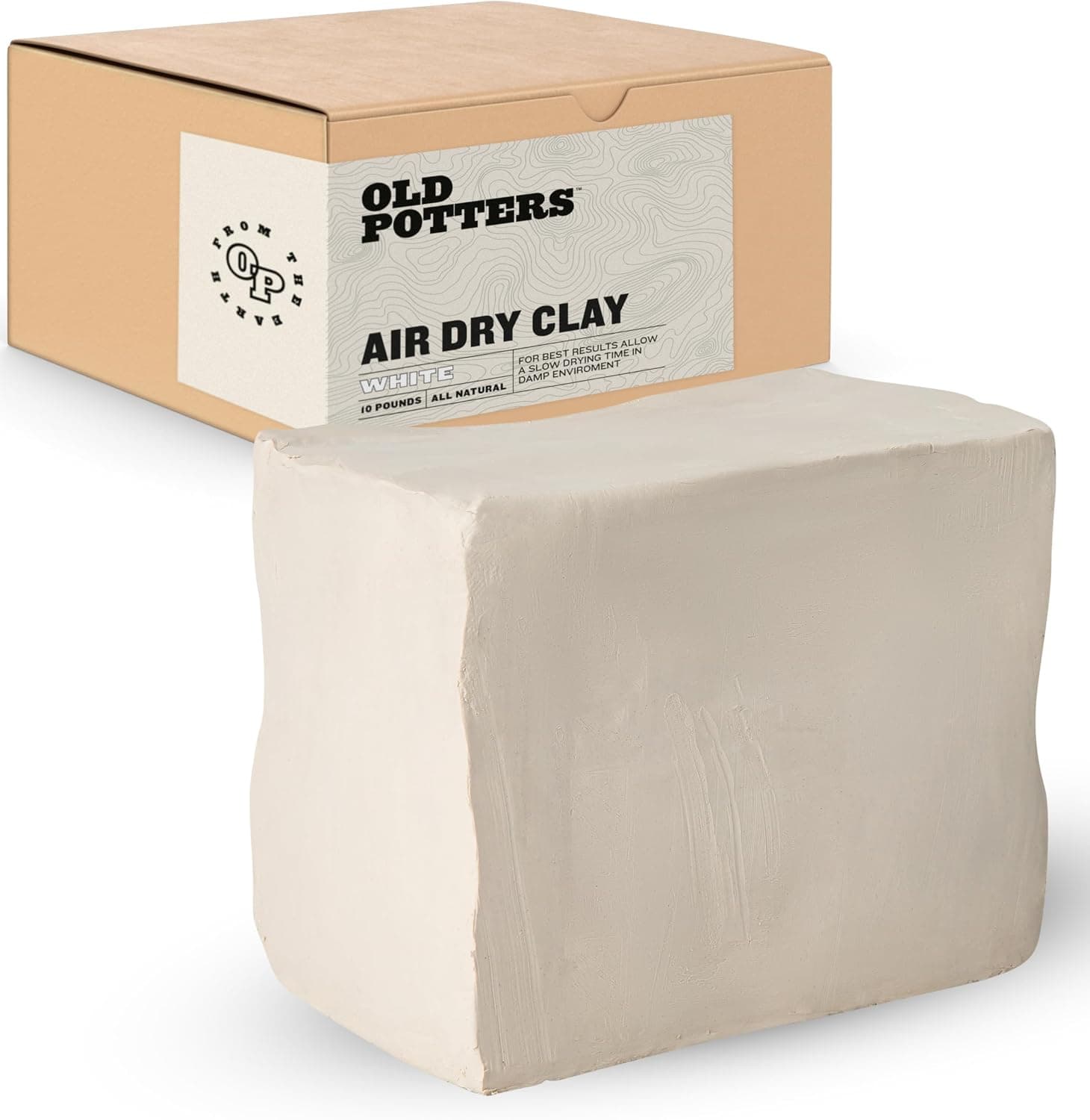
+ 10 lbs block gives plenty of clay for sculptures and hand-built pieces
From our guide: Best Air Dry Clay
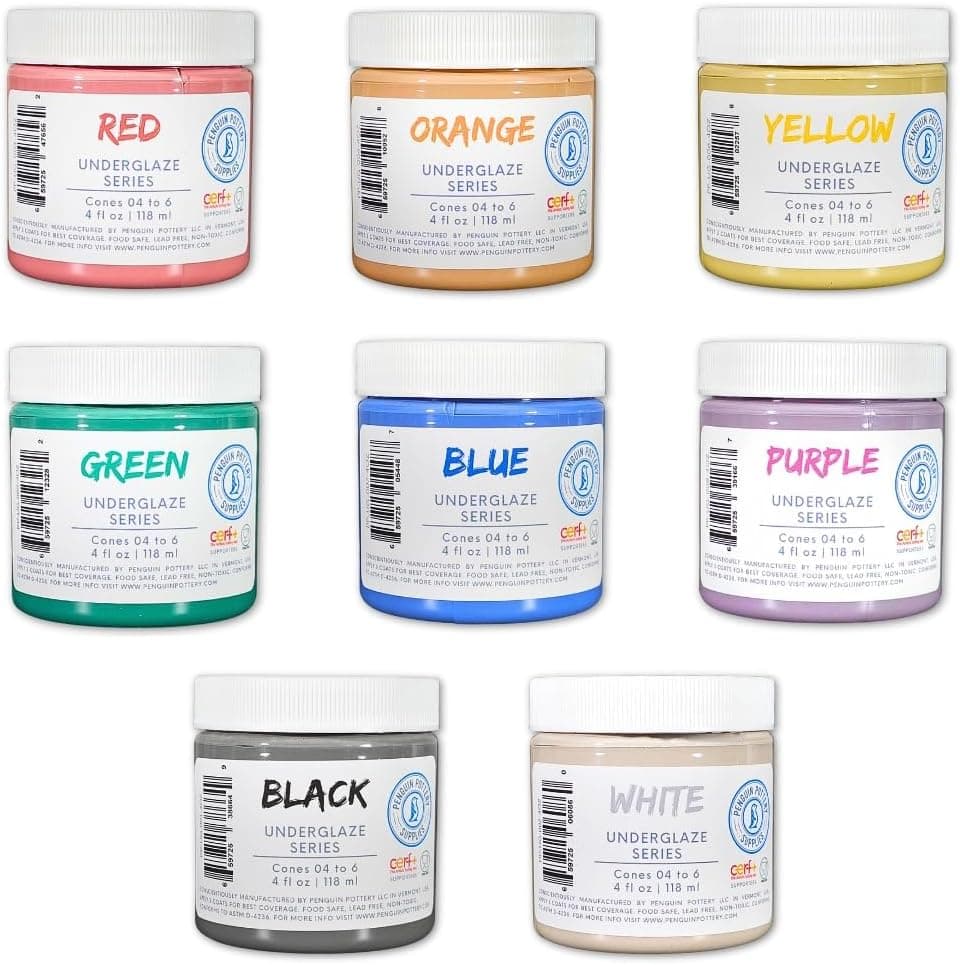
+ Cone 04 to Cone 6 rating works for both low and mid fire potters
From our guide: Best Underglazes: Vivid, Stable Color for Every Firing Range

Start by identifying your clay stage
Greenware is unfired clay, either wet, leather hard or bone dry. Bisque is clay that has had its first firing, so it is hard but porous and ready to take color. Fully fired ware has been glazed and fired a second time and is sealed. Air dry and polymer clays never go in a kiln at all. The first question is which of these you are holding, because it decides everything that follows.
If a piece will be fired again, paint it with ceramic products made to survive the kiln: underglaze, glaze, or ceramic stain. If it will never be fired again, regular acrylic paint works, as long as you accept that it will not be food safe or dishwasher safe.
Painting bisque with underglaze
Wipe the bisque with a barely damp sponge to remove dust, then let it dry for a few minutes. Apply underglaze straight from the jar with a soft brush, using 2 to 3 even coats and letting each coat dry to a matte surface before the next. One thin coat usually looks streaky and uneven once fired, so resist stopping early.
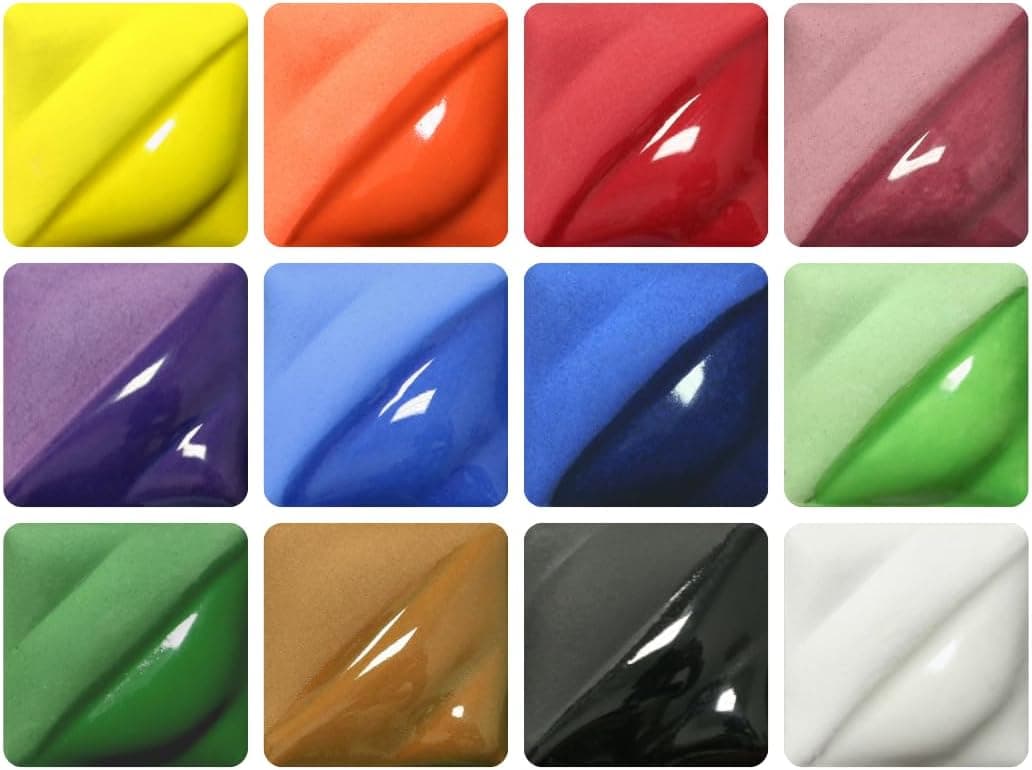
Underglaze looks dull and chalky before firing, and many colors look quite different afterward, so test your palette on a small tile first. When the color is dry, cover the piece with a clear glaze to seal it and bring the color up, then fire to the cone listed for your clear glaze. Fine linework can be done with a thin brush or with underglaze pencils, which burn off cleanly if you make a mistake before glazing.
Work from light to dark where colors touch, and keep a damp sponge nearby to lift stray marks before they dry. Clean brushes between colors, since leftover pigment turns light shades muddy. Label the underside of each test tile with the color name, because the fired colors are hard to match back to the jar by eye.
Painting with glaze on bisque
Ceramic glaze can also be brushed on directly. Stir the jar well, since the glaze settles, and apply 2 to 3 coats in the same direction for each layer, letting the shine dry off between coats. Keep glaze off the bottom of the piece, or wipe the foot clean with a damp sponge, so the pot does not fuse to the kiln shelf.
Glazes change color a great deal in the kiln, and the colors in the jar are rarely what you see afterward, so read the label and look at the fired sample chip. Brush quality matters for smooth coats: soft, full brushes carry more glaze and reduce streaks.
Painting greenware
Underglaze can be applied to leather-hard clay, where it bonds well and can be used for brushwork, sgraffito and stenciling. Bone-dry greenware is fragile and absorbs water quickly, so it is easy to damage when it gets wet. Many potters prefer to paint after the bisque firing for that reason.
A benefit of decorating at leather hard is that the color and clay shrink together as the piece dries, which reduces flaking. If you decorate in this stage, keep the layers thin and let the piece dry slowly and evenly before firing.
Before you commit to a full design, plan the layout in pencil. On bisque, graphite pencil lines burn away in the kiln, so you can sketch freely and then paint over the lines. On air dry clay, a light pencil mark is usually covered by the first coat of paint.
Painting air dry clay with acrylic
Let air dry clay cure completely, usually for a day or more depending on thickness, then sand rough spots and wipe off the dust. A coat of acrylic gesso or a thin coat of sealer first can stop the clay from soaking up the paint. Then paint with acrylics in thin layers, drying each one, because thick coats can crack as the clay moves.
Finish with a clear acrylic varnish or sealer. Air dry clay absorbs moisture, so unsealed pieces and the inside of cups or planters can soften or stain. Painted air dry pieces are decorative only and should not hold food or drink.
Painting finished ceramic that is already glazed
Glazed ceramics are slick, so ordinary paint does not grip. Clean the surface with rubbing alcohol, then use an acrylic enamel or a paint labeled for glass and ceramic, and follow the instructions for baking or curing it. Some products call for baking in a home oven, usually at a modest temperature for about 30 minutes.
Even when cured, these paints can scratch and wear, and they are not meant for surfaces that touch food or mouths. Keep painted areas on the outside, away from the rim, and hand wash.
Frequently asked questions
Can I use regular acrylic paint on pottery that will be fired? No. Acrylic burns off in a kiln and can release fumes. Use underglaze, glaze or ceramic stain on anything that goes in a kiln.
Do I need a clear glaze over underglaze? For functional ware, yes, because it seals the surface and makes it food safe when the glaze is rated that way. For decorative pieces underglaze can be fired without a clear coat, and it stays matte.
How many coats of underglaze do I need? Most potters use 2 to 3 coats for solid, even color. Fewer coats give a more transparent, watercolor effect.
Why is my painted pottery patchy? Common causes are coats that are too thin, painting over dust, brush marks from uneven pressure, and applying a new coat before the last one dried.
Popular right now
- Underglaze TechniquesArticle
- Best Underglaze Pencils: Draw Fine Ceramic Detail on BisqueBuying guide
- Best Clay Storage Containers to Keep Clay Workable for MonthsBuying guide
- Why Glaze Crazes and How to Prevent ItArticle
- Recycling ClayArticle
- Best Ware Boards for Moving and Drying Pots SafelyBuying guide
Based on the last 28 days of search and visitor data.