Centering Clay on the Wheel
Published How we research
Centering is the gatekeeper skill of wheel throwing. Until clay spins true under your hands, every pot you attempt will wobble, thicken unevenly, and collapse without warning. The frustrating part is that centering is not really a hand skill at all. It is a body position skill, and most beginners struggle because they try to push clay into place with arm strength instead of locking their arms against something solid and letting the wheel do the work.
Start with posture. Sit close enough that your forearms can brace against your thighs or the rim of the splash pan. Your left elbow should be anchored, not floating, because a floating arm transmits every small tremor into the clay. Slam the clay ball onto a dry wheel head as close to center as you can, seal its base by pressing down around the edge, then wet your hands and the clay generously. Dry clay grabs skin and pulls it off center; water is not optional.
The core technique is coning: squeeze the clay between both hands so it rises into a tall cone, then press it back down with the edge of one palm while the other hand steadies the side. Coning up and down three or four times aligns the clay particles and works out air pockets, and it does most of the centering for you. When pressing down, lean your body weight through a locked arm rather than pushing with muscle. The clay should feel like it is being trapped into stillness, not wrestled.
Knowing when the clay is centered is its own skill. Rest a fingertip lightly against the spinning wall and close your eyes. If your finger stays still, the clay is centered; if it pulses, there is still a wobble. Beginners often stop too early because the clay looks round, but looks deceive at speed. The fingertip test does not. Another reliable check is to hold a needle tool steady against the surface; a centered ball produces one continuous line, while an off-center ball produces a broken one.
The most common mistakes are all removable. Throwing at too low a speed makes centering harder, not safer; keep the wheel fast during centering and slow it down later for pulling walls. Using too little water causes juddering. Releasing your hands abruptly knocks the clay back off center at the last moment; always ease off pressure gradually, over two or three rotations, as if the clay were a bird you do not want to startle. And starting with too much clay compounds every error, so practice with balls around 700 grams until the motion is automatic.
Drill deliberately instead of hoping centering improves as a side effect of making pots. A focused session of centering ten balls in a row, wiring each one off without throwing it, builds the skill faster than a month of frustrated mug attempts. It feels wasteful and it is not; the clay goes back in the reclaim bucket and the muscle memory stays. Most people need somewhere between five and twenty hours of practice before centering becomes reliable. Once it does, the entire craft opens up, because every technique downstream assumes a still, true foundation.
Products from this article
The highest-scoring picks from the buying guides mentioned above. Scores are our editorial assessment, not customer ratings.
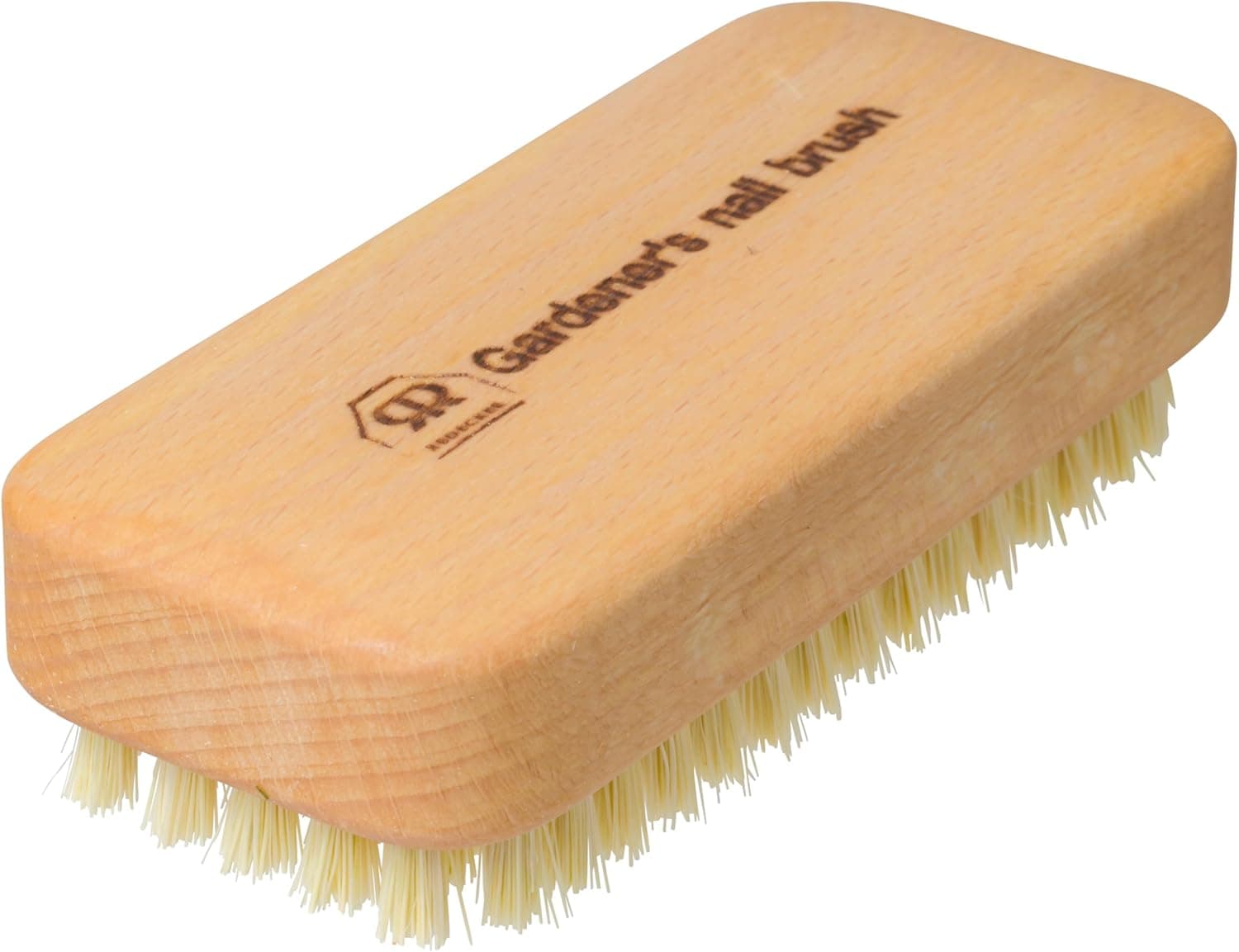
+ Hard plant fiber bristles scrub dried clay from under nails
From our guide: Best Hand Care for Potters: Repair Kits for Working Hands
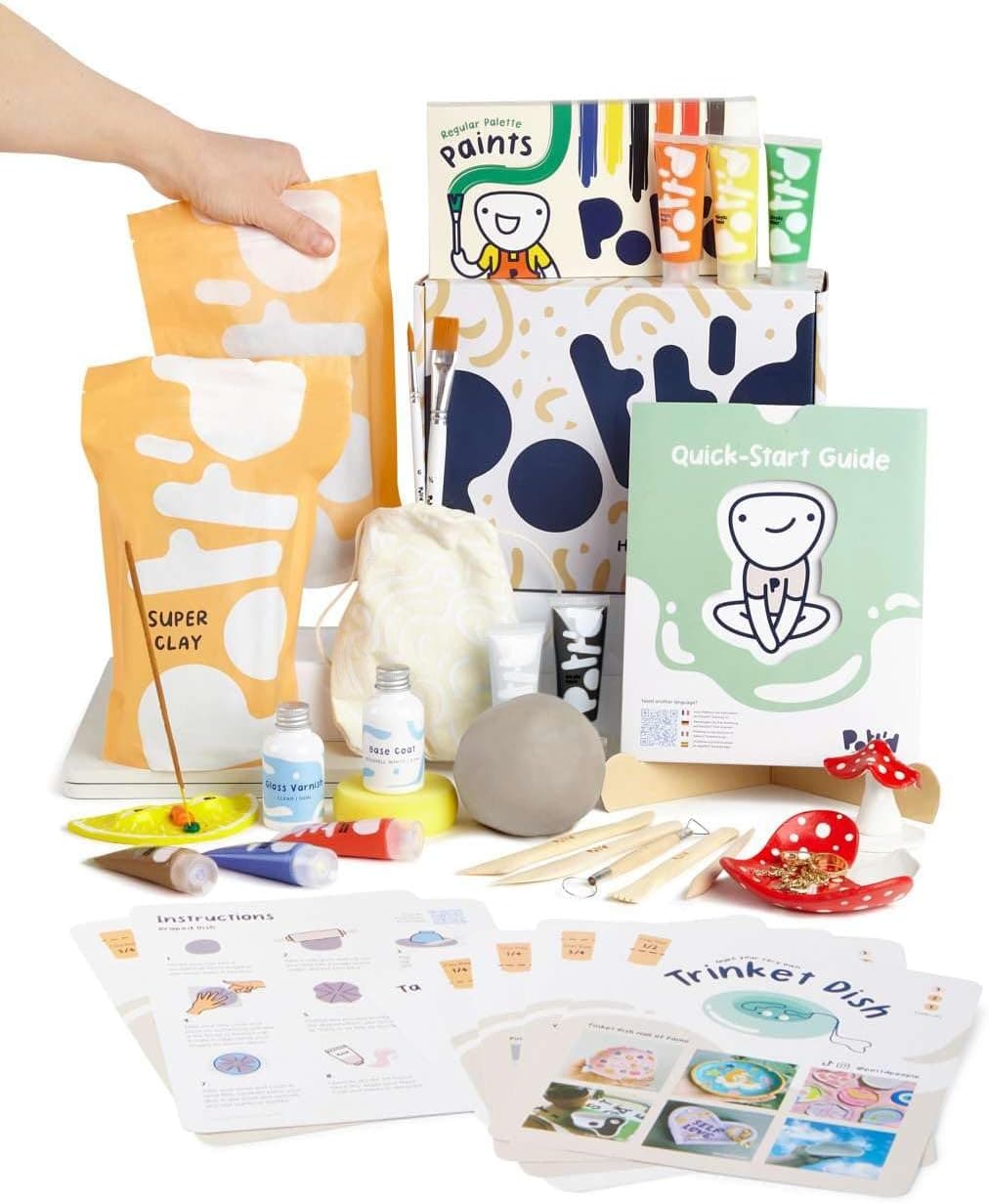
+ Sealant and paints mean projects are finished inside one box
From our guide: Best Pottery Gift Sets for Beginners and Potters You Love
+ Sealant is included, so finished pieces get a protective coat
From our guide: Best Clay for Beginners
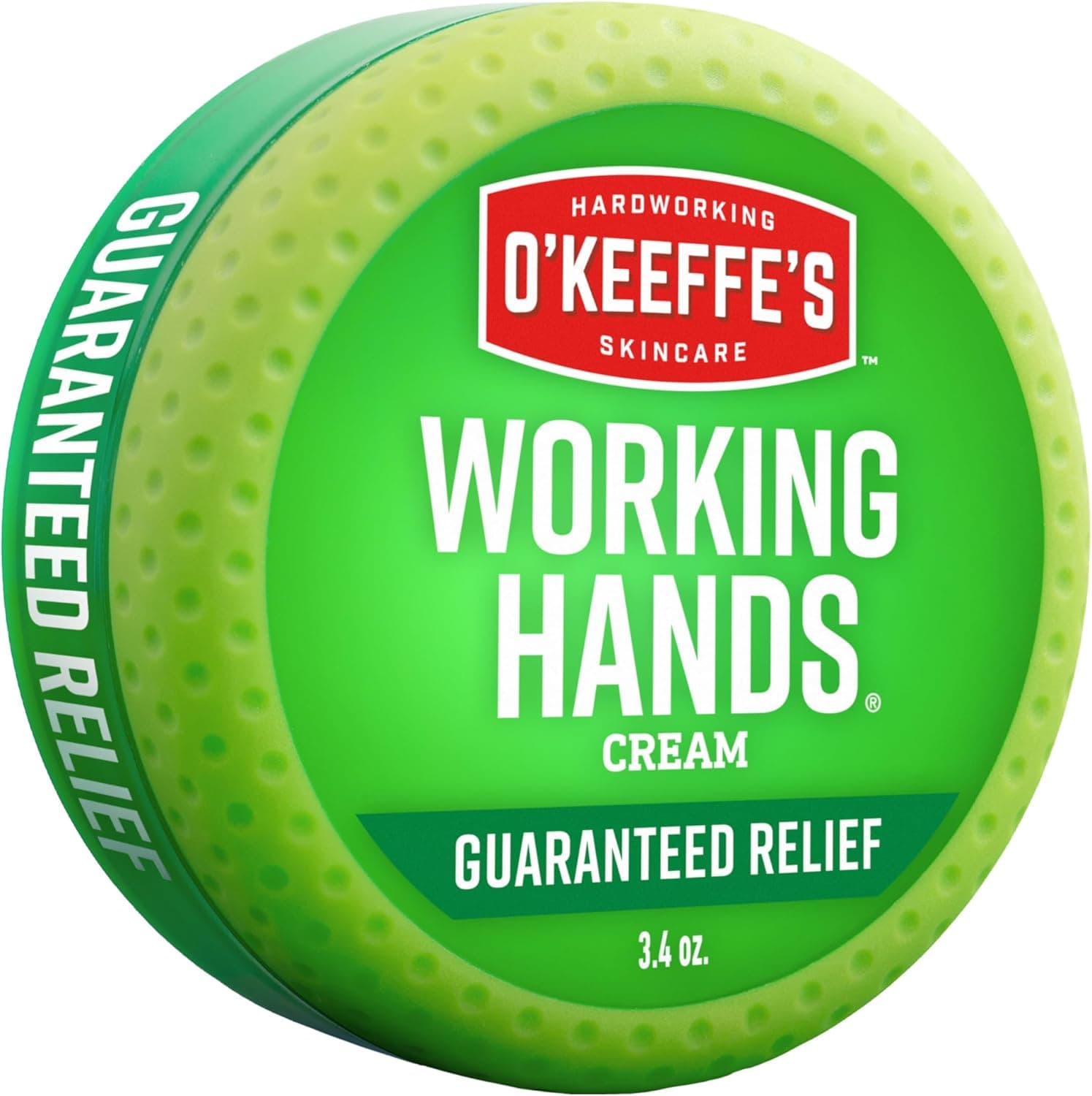
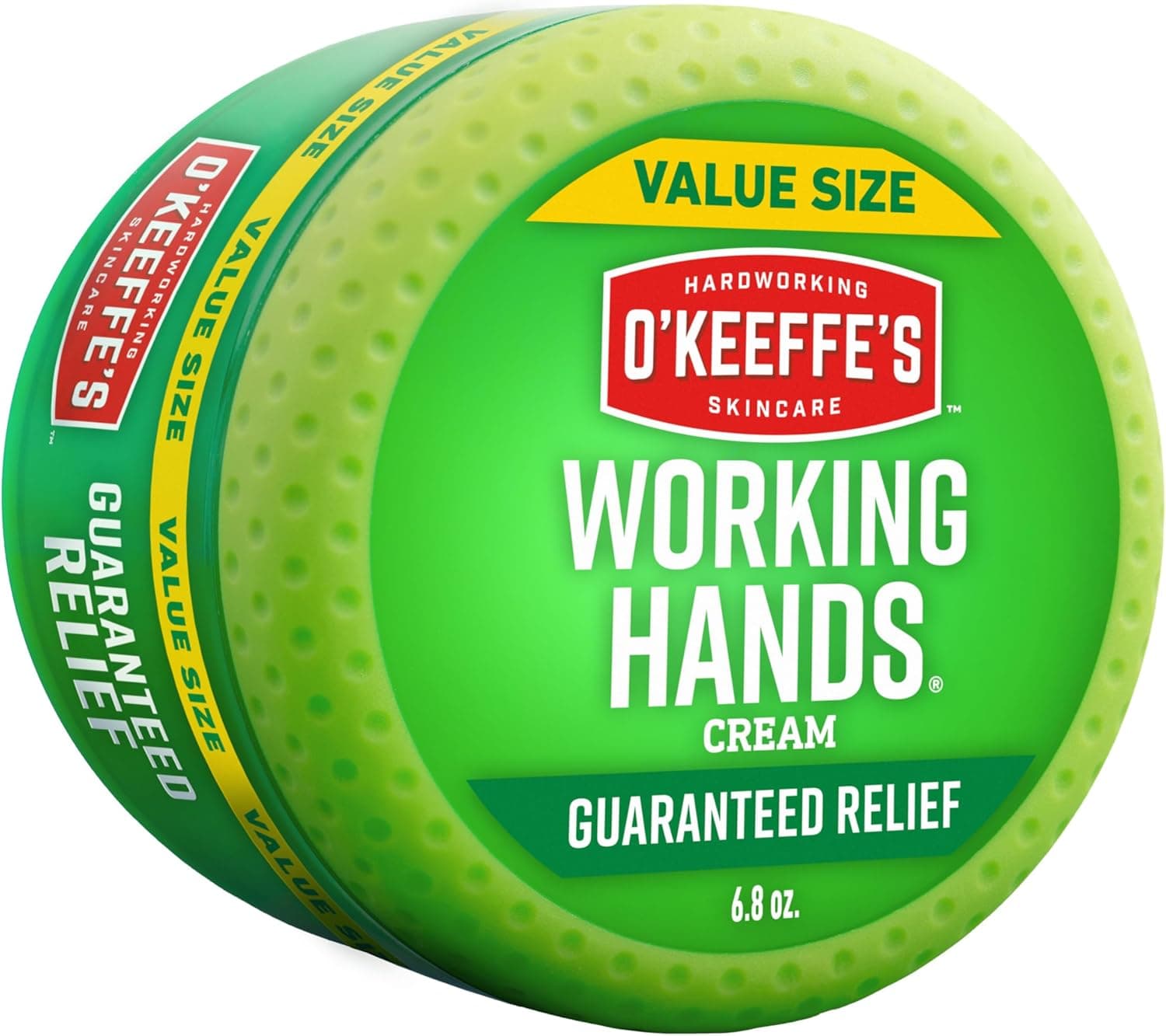
+ 6.8 oz value size jar costs less per ounce than the small jar
From our guide: Best Hand Care for Potters: Repair Kits for Working Hands

Popular right now
- Firing Schedules ExplainedArticle
- Best Small Kilns for Test Tiles, Jewelry, and Compact StudiosBuying guide
- Underglaze TechniquesArticle
- Bisque Firing vs Glaze FiringArticle
- Fixing Common Throwing Problems on the Pottery WheelArticle
- Caring for Pottery ToolsArticle
Based on the last 28 days of search and visitor data.