Firing Schedules Explained
Published How we research
A firing schedule sets how fast the kiln heats, its peak temperature, and how it cools. The critical early zone is room temperature to about 120C, where trapped water in even bone-dry pots can flash to steam and burst them, which is why bisque schedules start at 60 to 100C per hour and many potters candle overnight. Cooling matters as much as heating: let the kiln cool to at least 150C before opening, or glazes craze and pots dunt. A firing schedule is simply a plan for how fast a kiln heats, what temperature it reaches, and how it cools. Modern digital controllers make schedules programmable to the degree, but the numbers only make sense once you know what the clay is doing at each stage. Firing is not one transformation but a sequence of them, and every rule of thumb in ceramics maps to a specific temperature window where something irreversible happens.
The steam zone: room temperature to 120C
The first critical zone is the steam zone, from room temperature to about 120 degrees Celsius. Even bone dry pots hold water in their pores, and if the kiln climbs too fast, that water boils into steam faster than it can escape, and the pot bursts. This is why bisque schedules start slow, often 60 to 100 degrees per hour, and why many potters candle: holding the kiln below boiling for several hours, or overnight, to dry work thoroughly. Exploded pots are almost never bad luck; they are wet pots fired too fast, and the shrapnel damages neighbors on the shelf.
Chemical water and quartz inversion: 300 to 600C
The second zone runs from roughly 300 to 600 degrees, where chemically bound water leaves the clay molecules themselves and organic matter burns away. Through 573 degrees, quartz crystals in the clay abruptly change size, an event called quartz inversion. Thick work and tightly packed loads want a moderate pace through this whole region. By around 600 degrees the clay has ceramically changed: it will never again dissolve in water, and the material is now permanently ceramic even though it remains porous and weak.
Bisque versus glaze peak temperatures
Bisque firing typically ends around cone 06 to 04, roughly 1000 degrees, deliberately short of the clay's maturity. The goal of bisque is a pot hard enough to handle and glaze but porous enough to absorb water from the glaze coat. The glaze firing then climbs higher, to the clay and glaze's mature cone, commonly cone 6 in home electric kilns. In the final hundred degrees, glazes melt, bubble as gases escape, and finally smooth into glass. Many schedules add a hold, or soak, of 10 to 20 minutes at peak temperature to let bubbles heal and temperature even out across the kiln.
Cooling is half the firing
Cooling is half the firing, and it is the half beginners ignore. Glass and crystalline quartz both pass back through sensitive zones on the way down, and cooling too fast, such as by opening the kiln early, causes cracking called dunting and can shock glazes into crazing. The kiln should cool at its own pace to at least 150 degrees before the lid opens, and patience here is free insurance. Some potters go further and program a controlled slow cool between about 1000 and 750 degrees, which encourages matte surfaces and crystal development in certain glazes; the same glaze can look glossy or satin depending on nothing but the cooling curve.
A practical starting point for home potters
For a home potter, a practical starting point is the preprogrammed schedules built into digital controllers: slow bisque for anything thick or freshly made, medium speed for glaze firings, always with a final vent-open candling period if work might be damp. Keep a firing log recording the schedule, the load, and the results, because your kiln, your clay, and your glazes form a specific system that no generic schedule fully describes. Adjustments of 20 degrees per hour here or a 15 minute soak there are how a generic program becomes your schedule, and the log is how you find them.
Frequently asked questions
Why do my pots explode in the kiln? Almost never bad luck: they are wet pots fired too fast. Water in the pores boils into steam faster than it can escape below about 120C. Start slow (60 to 100C per hour) and candle to dry work thoroughly.
What is candling in a kiln firing? Holding the kiln below boiling, often for several hours or overnight, to drive out remaining moisture before the real ramp begins, so pots do not burst in the steam zone.
Why shouldn't I open the kiln early? Glass and quartz pass back through sensitive zones as they cool, so opening early causes cracking (dunting) and shocks glazes into crazing. Wait until at least 150C.
Does the cooling rate change how a glaze looks? Yes. A controlled slow cool between about 1000 and 750C encourages matte surfaces and crystal growth in some glazes, so the same glaze can look glossy or satin depending only on the cooling curve.
Products from this article
The highest-scoring picks from the buying guides mentioned above. Scores are our editorial assessment, not customer ratings.
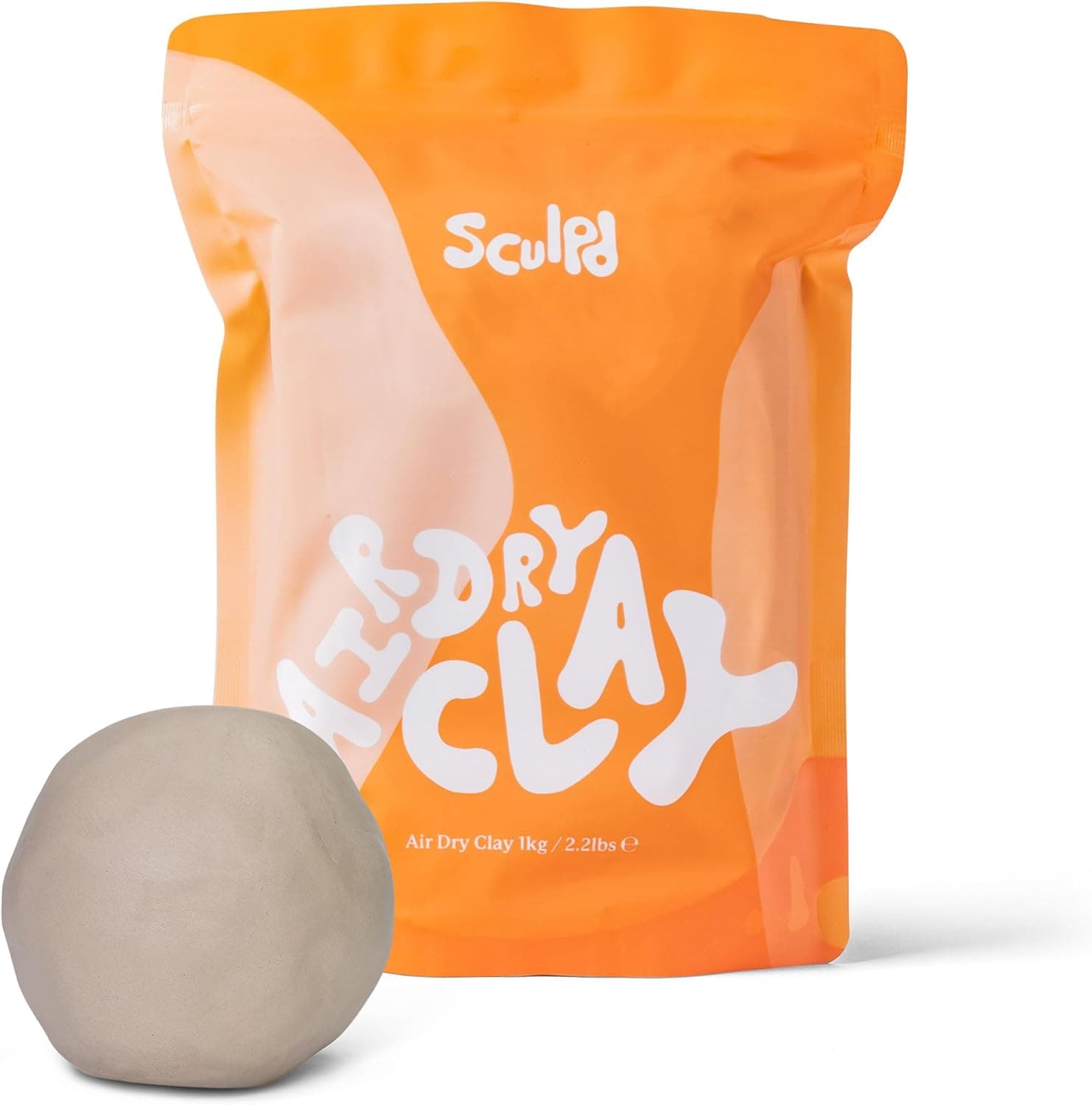
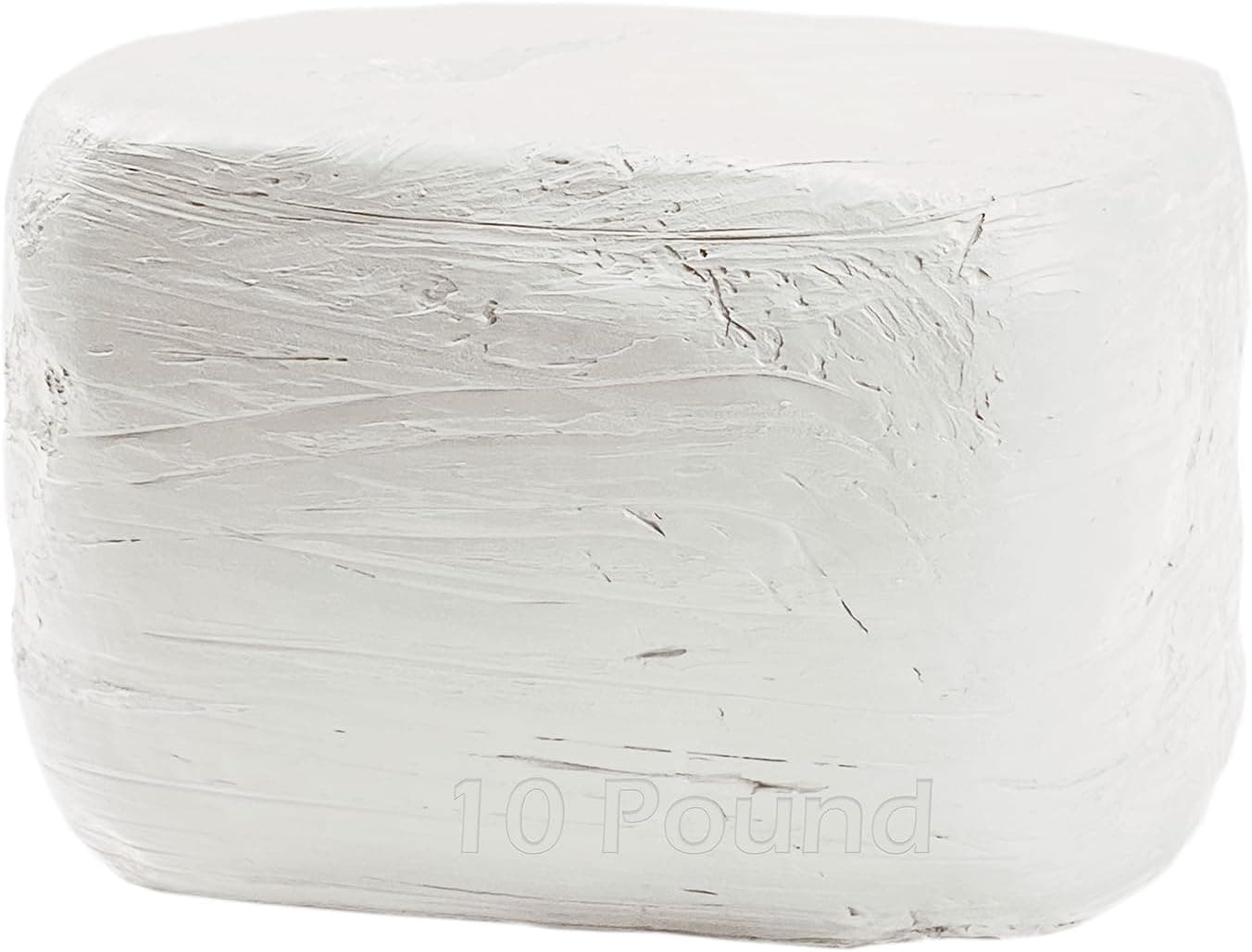
+ 10lbs block is generous for larger sculptures and practice pieces
From our guide: Best Clay for Pottery Without a Kiln
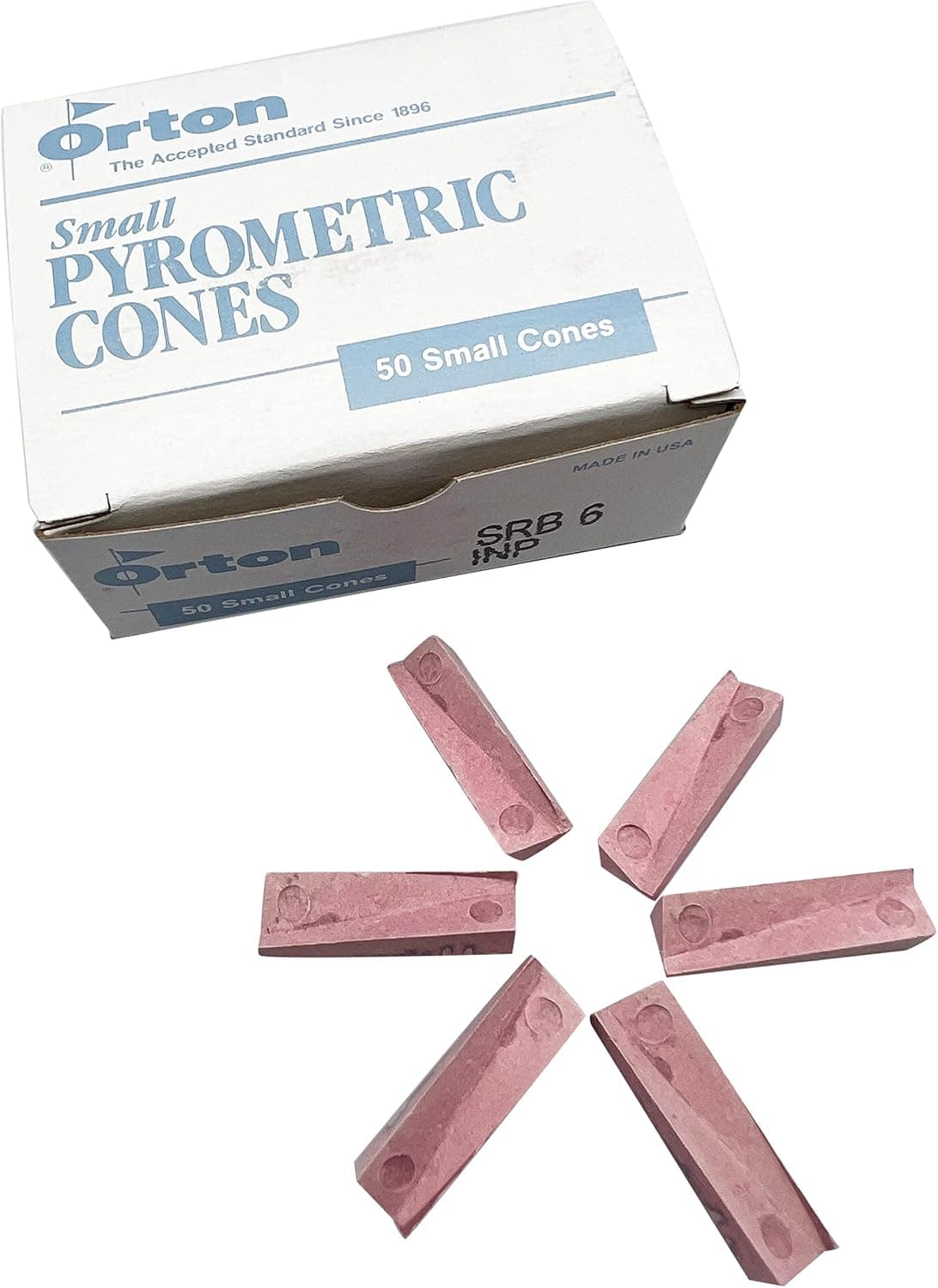
+ Cone 6 is the most popular mid fire target for home potters
From our guide: Best Pyrometric Cones for Accurate, Repeatable Kiln Firings
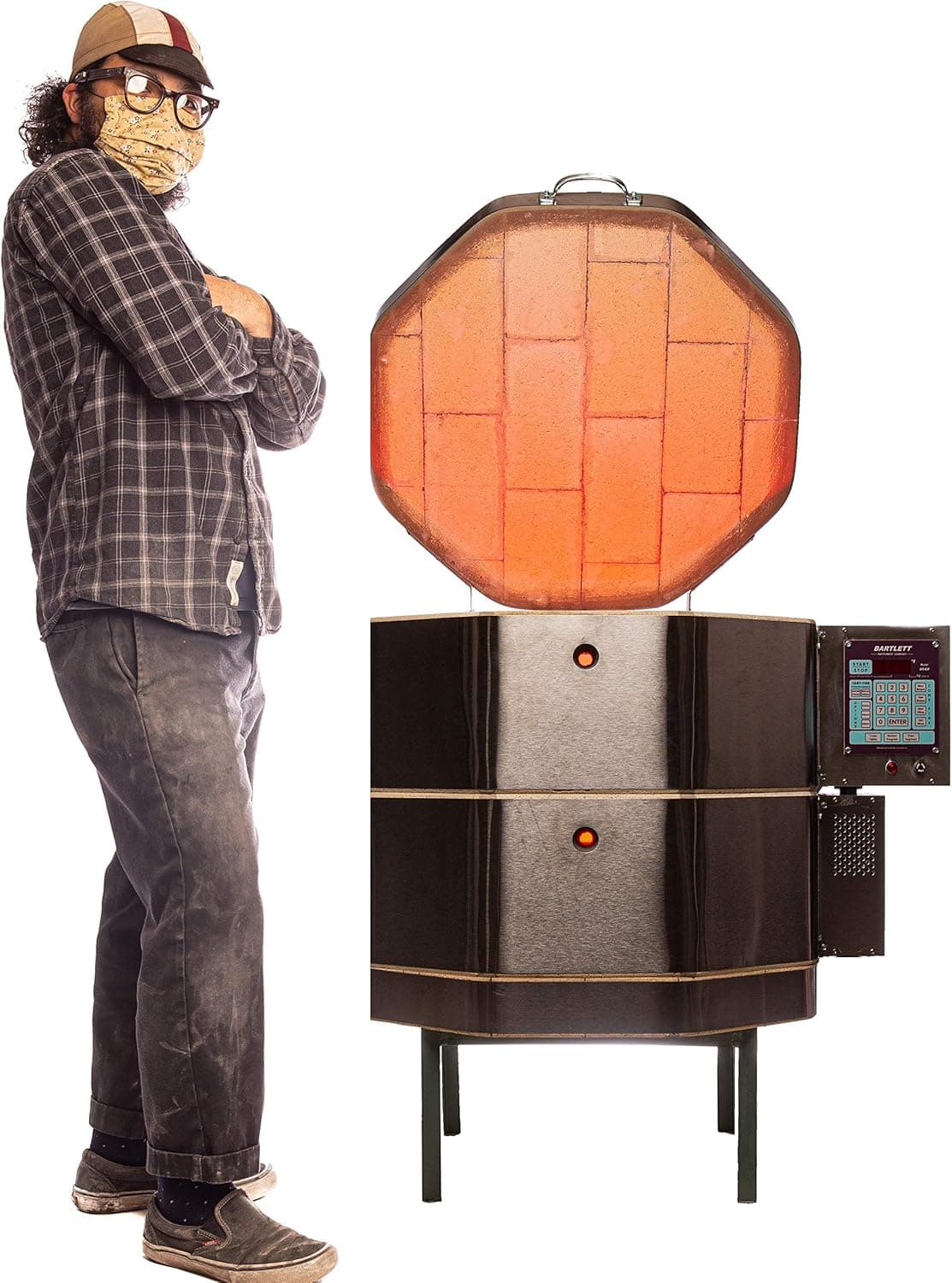
+ Cone 10 rating covers low, mid and high fire work
From our guide: Best Home Pottery Kilns for Firing Clay Where You Live
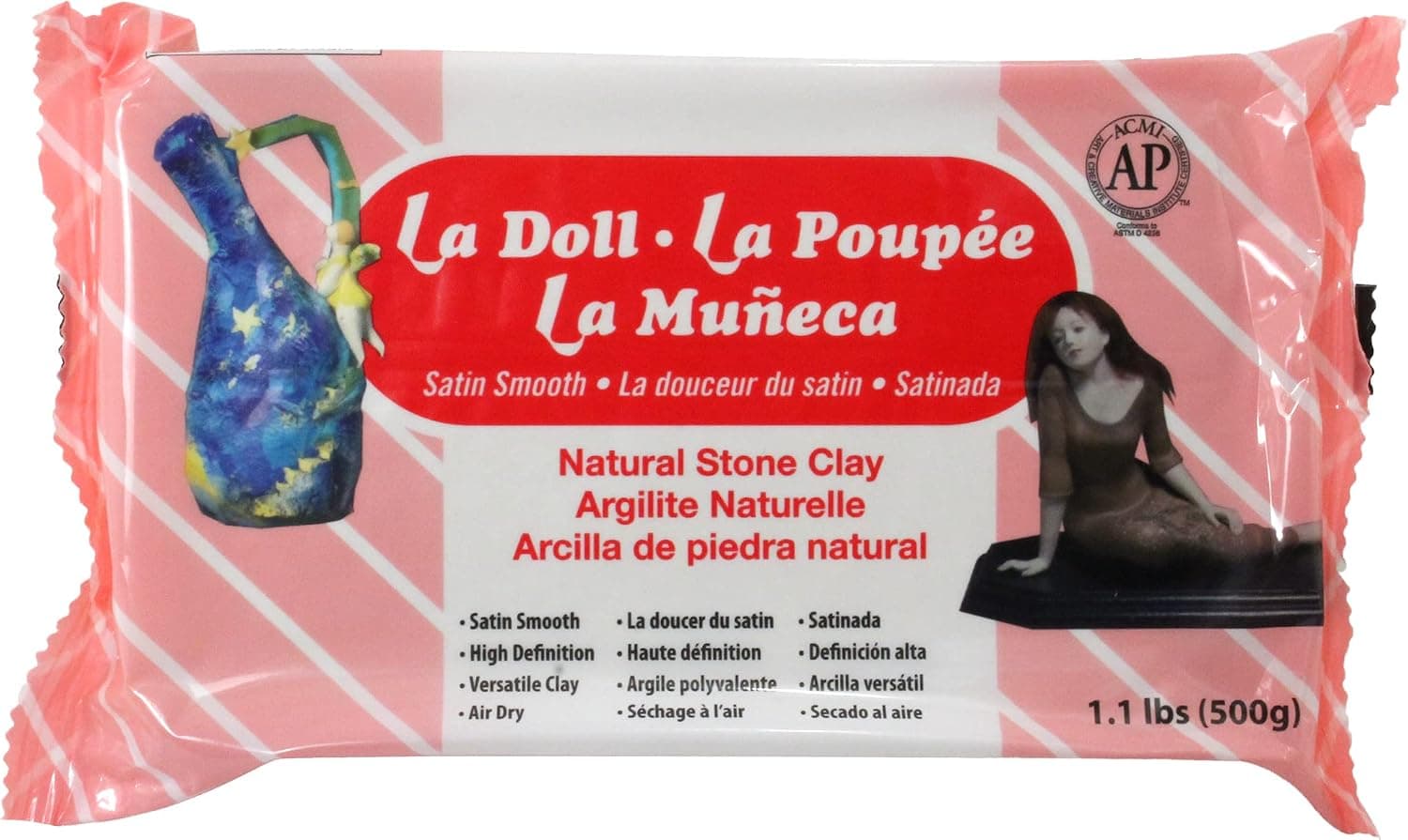
+ Satin smooth finish reduces sanding for dolls and figurines
From our guide: Best Clay for Pottery Without a Kiln
Popular right now
- Best Small Kilns for Test Tiles, Jewelry, and Compact StudiosBuying guide
- Underglaze TechniquesArticle
- Bisque Firing vs Glaze FiringArticle
- Fixing Common Throwing Problems on the Pottery WheelArticle
- Caring for Pottery ToolsArticle
- Best Glaze Brushes: Soft, High-Capacity Brushes for Even CoatsBuying guide
Based on the last 28 days of search and visitor data.