Home Kiln Setup and Safety
Published How we research

Owning a kiln is the moment a pottery hobby becomes self-sufficient, and it is also the purchase that demands genuine planning. A kiln is a box that holds temperatures hotter than lava for hours inside your home. That is a manageable proposition, since thousands of hobbyists fire safely in garages and basements every week, but it is manageable because of decisions made before the first firing, not luck.
Electrical supply is the first constraint. Small test kilns run on a standard household socket, but most kilns capable of firing real pots to stoneware temperatures draw more current than a normal circuit provides and need a dedicated circuit installed by an electrician, commonly at higher amperage and often 240 volts depending on your country. The kiln's manual states its exact requirements, and the circuit should be dedicated, correctly rated with headroom, and terminated in the proper outlet within sight of the kiln. Undersized wiring heats up over a long firing, and that is a fire risk that lives inside your walls. This is the one part of kiln ownership where hiring a professional is simply the answer.
Location comes next. Kilns need clearance from walls and anything combustible, typically at least 30 to 45 centimeters on all sides, with the manual's figure taking precedence. The floor should be concrete or covered with a non-combustible layer; a garage or basement with a concrete slab is ideal. Leave nothing stored above the kiln, resist the temptation to hang shelves over it, and treat the area within a meter as a zone where cardboard, solvents, and clutter never live. Check your home insurance policy and local regulations, because disclosure requirements vary, and an undisclosed kiln can complicate a claim.
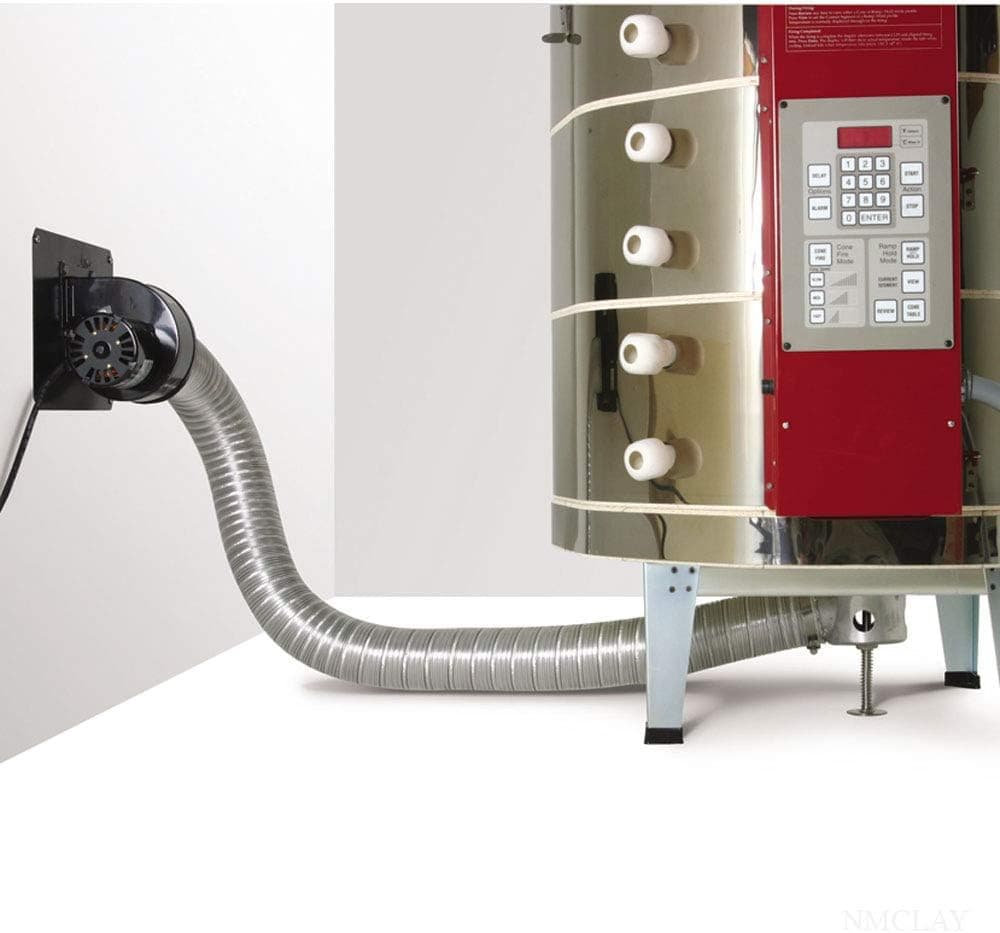
Ventilation is the requirement people underestimate. Firings release fumes: carbon monoxide from burning organics, sulfur compounds from some clays, and metal vapors from certain glazes. A downdraft vent system that pulls air from inside the kiln and exhausts it outdoors is the standard solution, improves temperature evenness, and lets you fire with the room door closed. At minimum, the kiln room needs strong airflow to the outside during every firing, and living spaces should be isolated from it. Never fire in an occupied room without dedicated ventilation, and place a carbon monoxide detector nearby as cheap insurance.
Operating habits complete the safety picture. Never fire unattended for the whole cycle; be home, and check in periodically, especially near peak temperature. Digital controllers are reliable, but a stuck relay can drive a kiln past its target, so witness cones and awareness beat blind trust. Wear proper kiln gloves when handling anything warm, and use infrared-rated safety glasses when looking through peepholes at high temperature, because the bright glow includes infrared your eyes should not absorb regularly. Keep children and pets out of the kiln room during firings, and remember the exterior surface can exceed 200 degrees; it will burn on contact long after the controller says the program has ended.
Finally, plan the unglamorous logistics. A kiln needs furniture, meaning shelves and posts, plus kiln wash to protect shelves from glaze drips. Budget for these at purchase time. Cooling takes as long as firing, often overnight, and opening early to peek costs real pots through thermal shock. Keep a log of every firing with the program, the load, and the result. A kiln treated with this kind of routine respect is no more dangerous than an oven, and it will quietly outlast most of the pots you fire in it.
Products from this article
The highest-scoring picks from the buying guides mentioned above. Scores are our editorial assessment, not customer ratings.
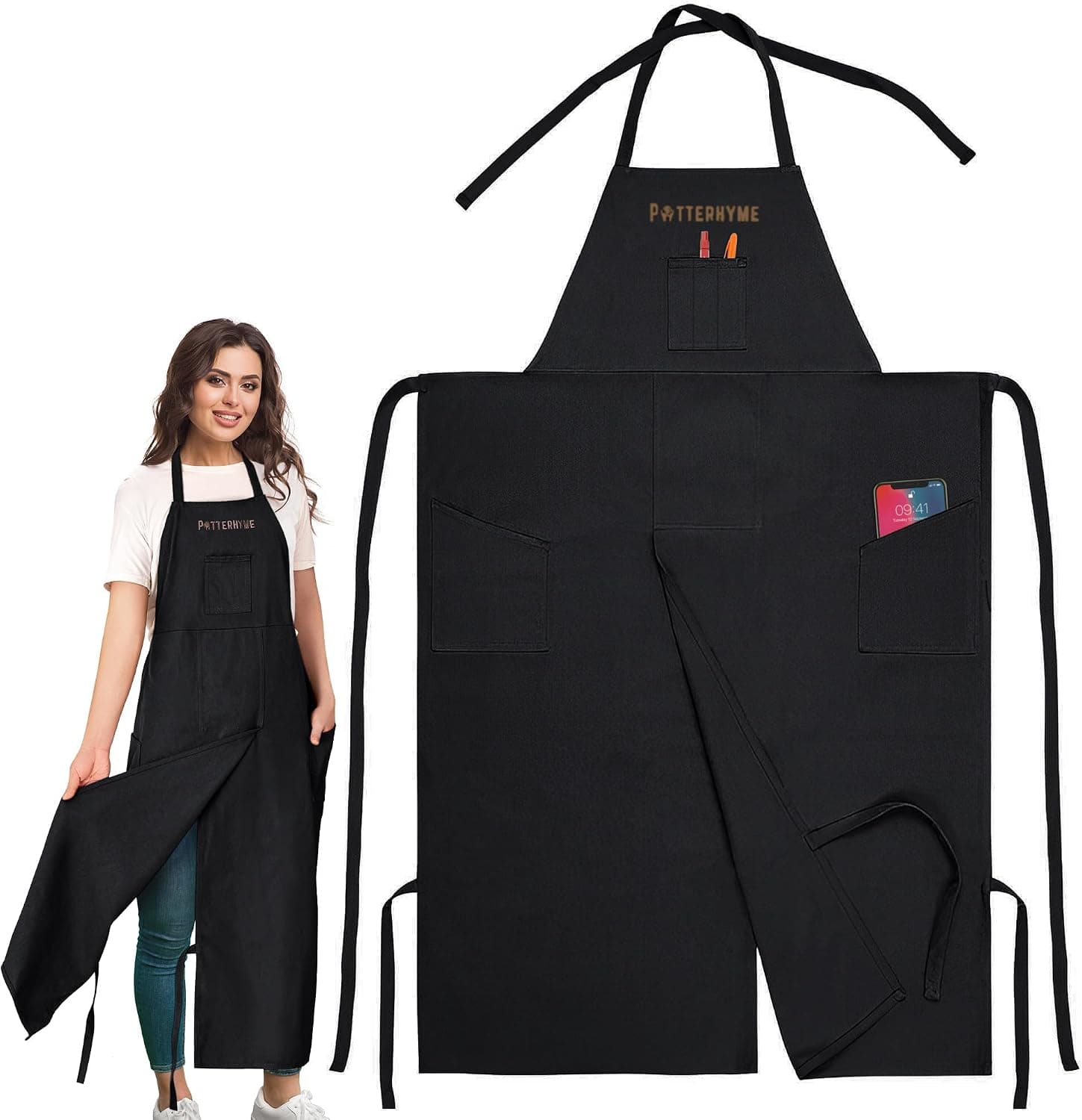
+ Split leg design covers thighs while sitting at the wheel
From our guide: Best Pottery Studio Safety Gear
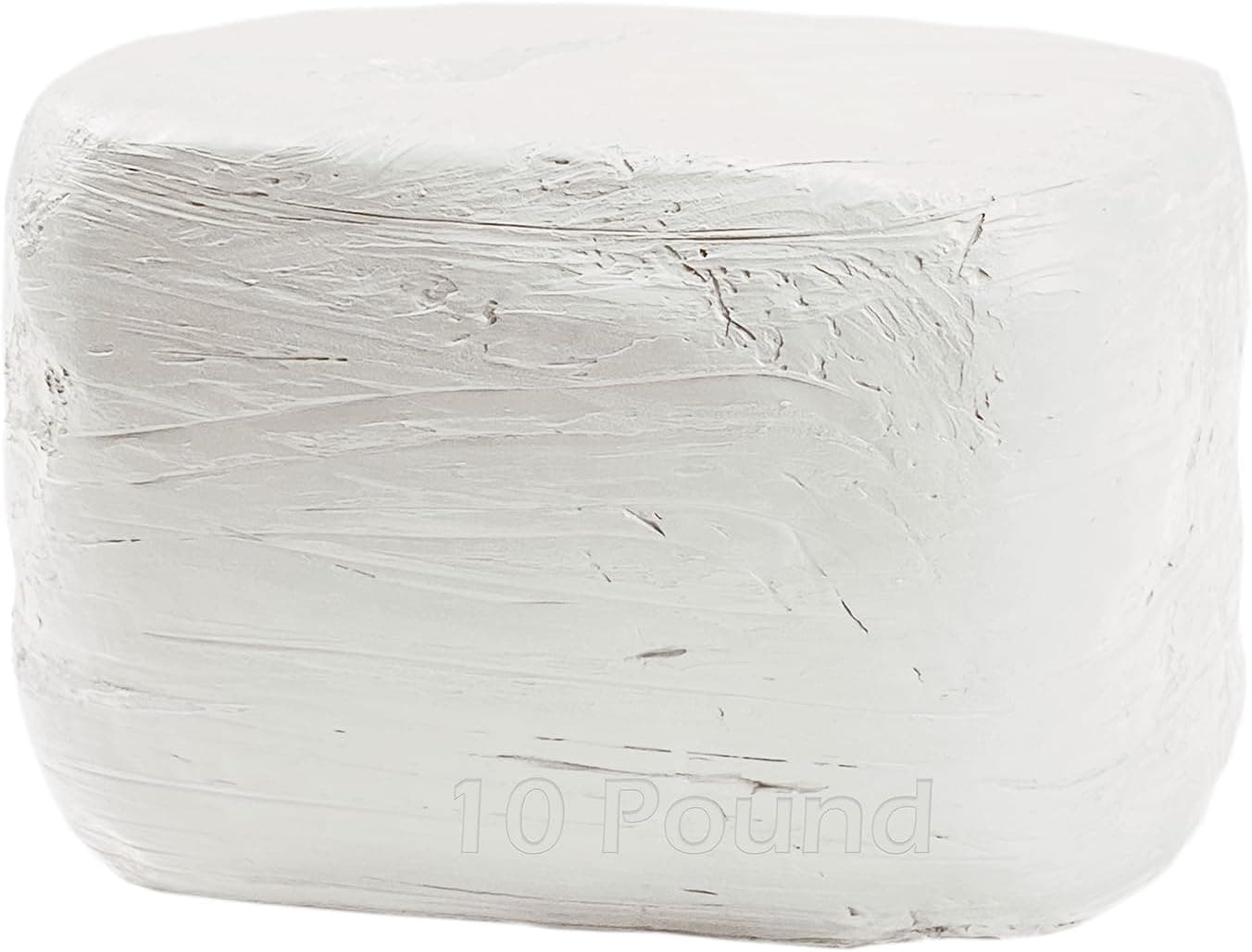
+ 10lbs block is generous for larger sculptures and practice pieces
From our guide: Best Clay for Pottery Without a Kiln
+ 12 colors give a full palette for painting pottery designs
From our guide: Best Pottery Glazes: Reliable Cone 5-6 and Low Fire Favorites
+ Downdraft venting pulls fumes out through the kiln floor
From our guide: Best Pottery Studio Safety Gear

Popular right now
- Firing Schedules ExplainedArticle
- Best Small Kilns for Test Tiles, Jewelry, and Compact StudiosBuying guide
- Underglaze TechniquesArticle
- Bisque Firing vs Glaze FiringArticle
- Fixing Common Throwing Problems on the Pottery WheelArticle
- Caring for Pottery ToolsArticle
Based on the last 28 days of search and visitor data.