Why Glaze Crazes and How to Prevent It
Published How we research
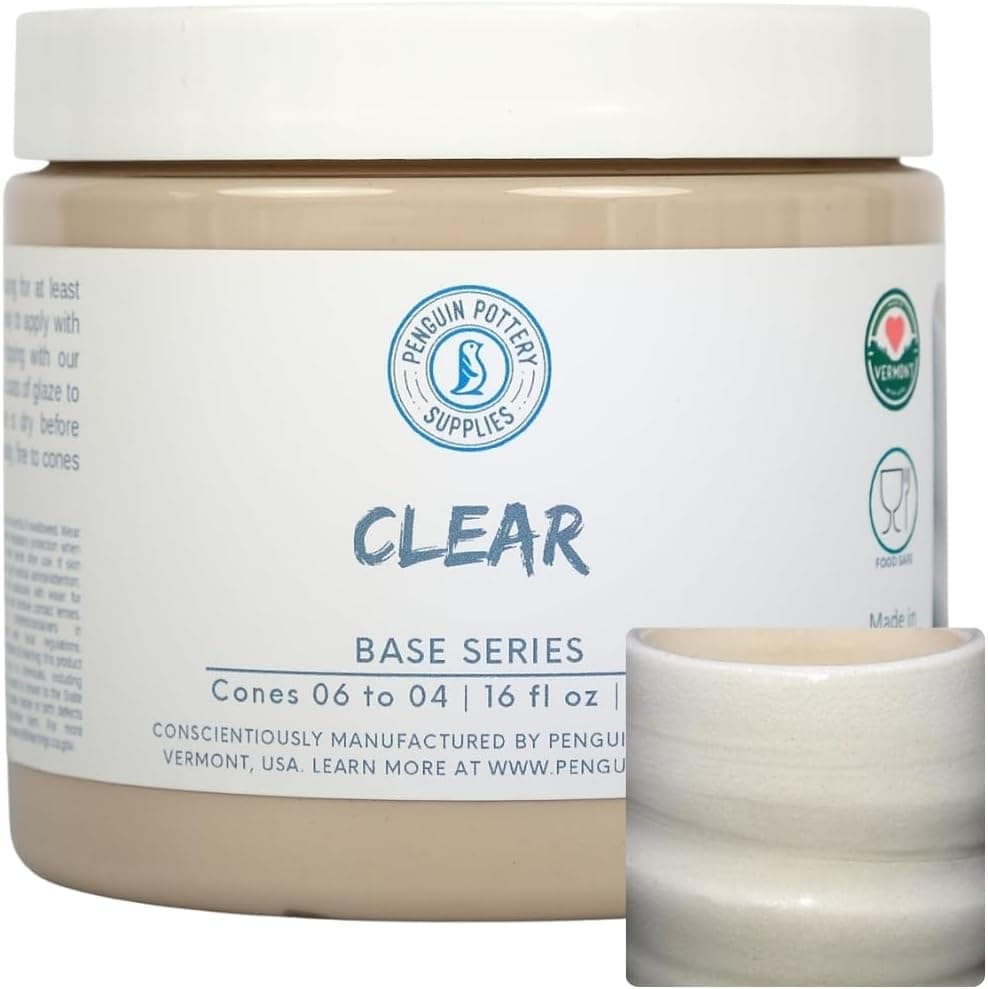
Crazing is a network of fine cracks in a glaze surface, sometimes visible straight out of the kiln and sometimes appearing days or months later. On decorative pieces it can be an intentional effect, but on mugs, bowls and plates it is usually a defect. Crazing happens when the glaze shrinks more than the clay body as the piece cools, and it can be fixed by adjusting glaze, clay or firing.
What causes crazing
Glaze and clay expand when heated and shrink when cooled. If the glaze shrinks more than the clay, it ends up under tension and cracks to relieve the stress. This mismatch is described in terms of thermal expansion.
Crazing can appear immediately after firing or develop over time as the clay body absorbs moisture and expands slightly. Temperature changes during use, such as hot drinks and dishwashers, can also reveal crazing.
Why it matters for functional pottery
Cracks in glaze can trap food and bacteria, stain and weaken the piece. On porous clay bodies, liquids can seep through cracks into the clay, causing leaks and staining.
Crazed glaze is not necessarily unsafe for all uses, but many potters avoid crazed glazes on surfaces that contact food and drink. Test your glazes and clay combination carefully if you plan to sell functional ware.
Match glaze to clay body
Commercial glazes are formulated for specific cone ranges and often recommend clay bodies. Using a glaze outside its intended range or on an unsuitable clay body increases crazing risk.
Test tiles made from the clay body you actually use are essential. A glaze that fits one stoneware may craze on another.
Adjust firing temperature and clay maturity
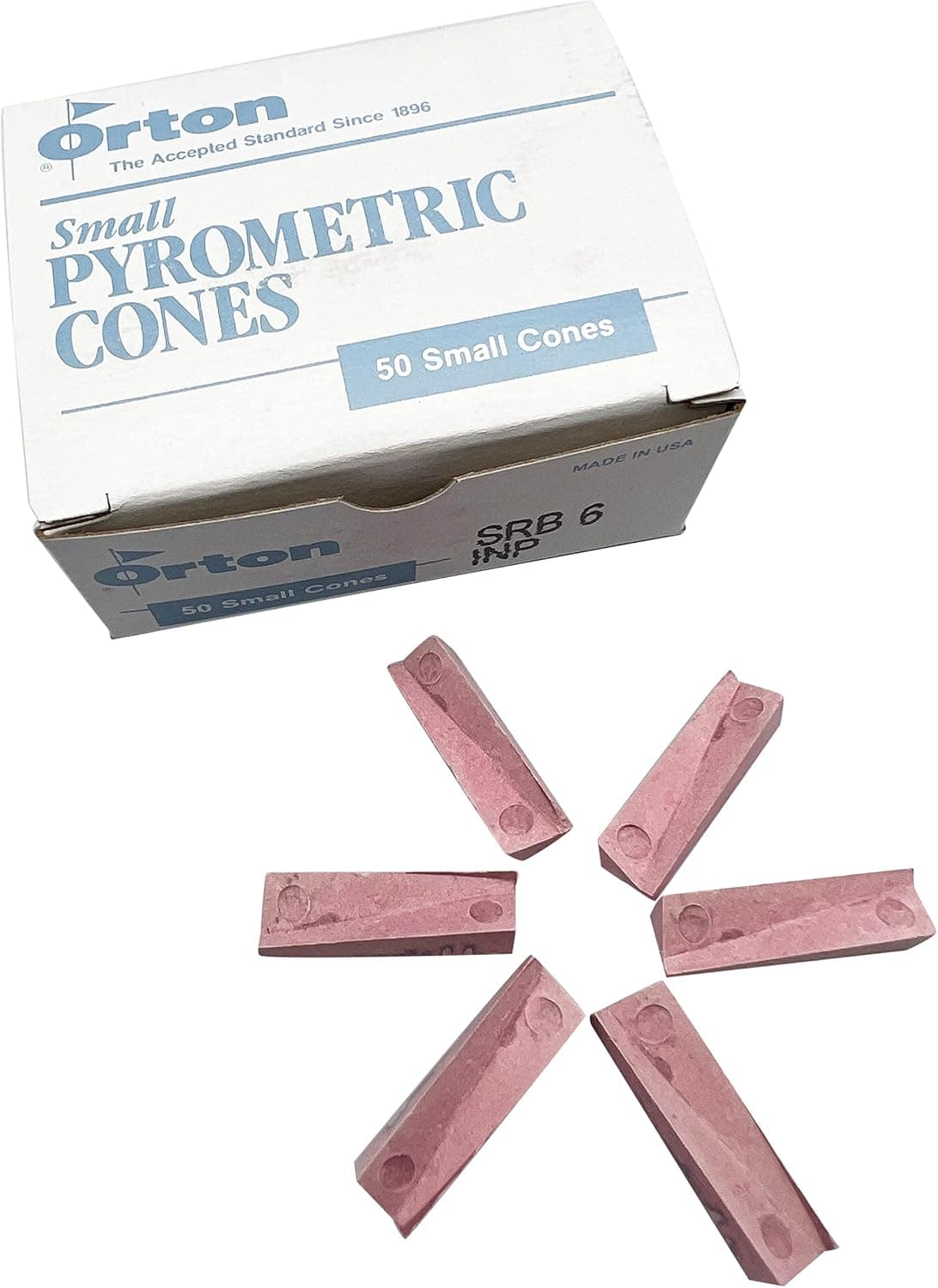
Underfired clay bodies are more porous and more likely to show delayed crazing. Make sure the kiln reaches the correct cone by using witness cones on shelves.
Firing slightly hotter within the clay's recommended range can improve fit. A slower cooling segment may help in some cases but does not correct a fundamental expansion mismatch.
Modify glaze recipes
For potters mixing their own glazes, increasing silica or reducing high-expansion fluxes such as sodium and potassium can reduce crazing. Glaze calculation software helps estimate expansion changes.
Change one variable at a time and make test tiles for each version. Test tiles should go through freeze and boil or ice water tests to check for delayed crazing.
Test finished pieces
A simple test involves placing a piece in a freezer, then immersing it in boiling water, repeating several times. This stress test can reveal crazing that would otherwise take months to appear.
Staining the surface with ink or strong tea also highlights fine cracks. Record results so you know which clay and glaze combinations work reliably.
Products from this article
The highest-scoring picks from the buying guides mentioned above. Scores are our editorial assessment, not customer ratings.
+ LG-10 is a classic low fire clear widely used in classrooms
From our guide: Best Clear Glazes: Crystal-Clear Coats That Do Not Cloud or Craze
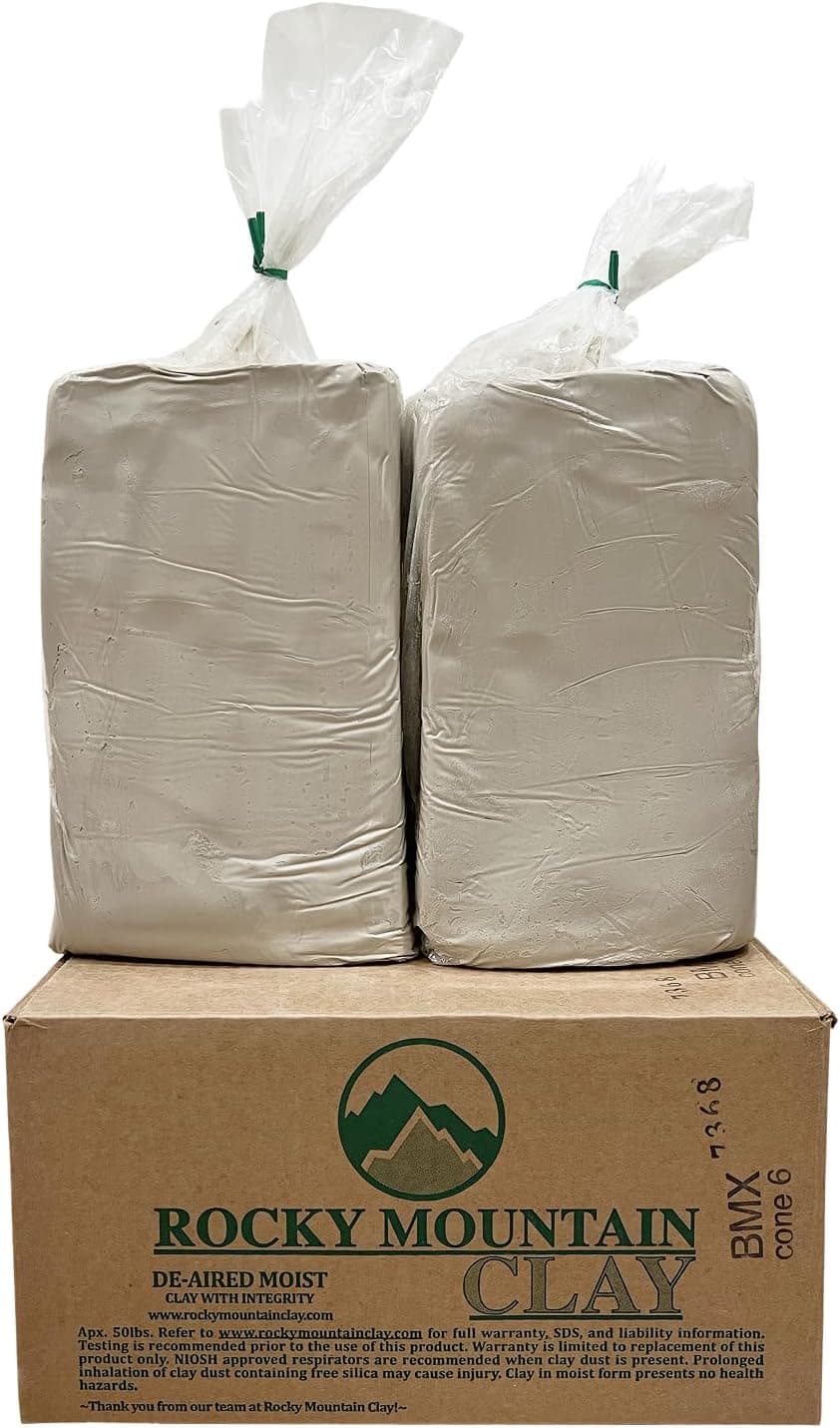
+ B-Mix is a smooth, plastic clay loved for learning to throw
From our guide: Best Stoneware Clay
+ Cone 6 is the most popular mid fire target for home potters
From our guide: Best Pyrometric Cones for Accurate, Repeatable Kiln Firings
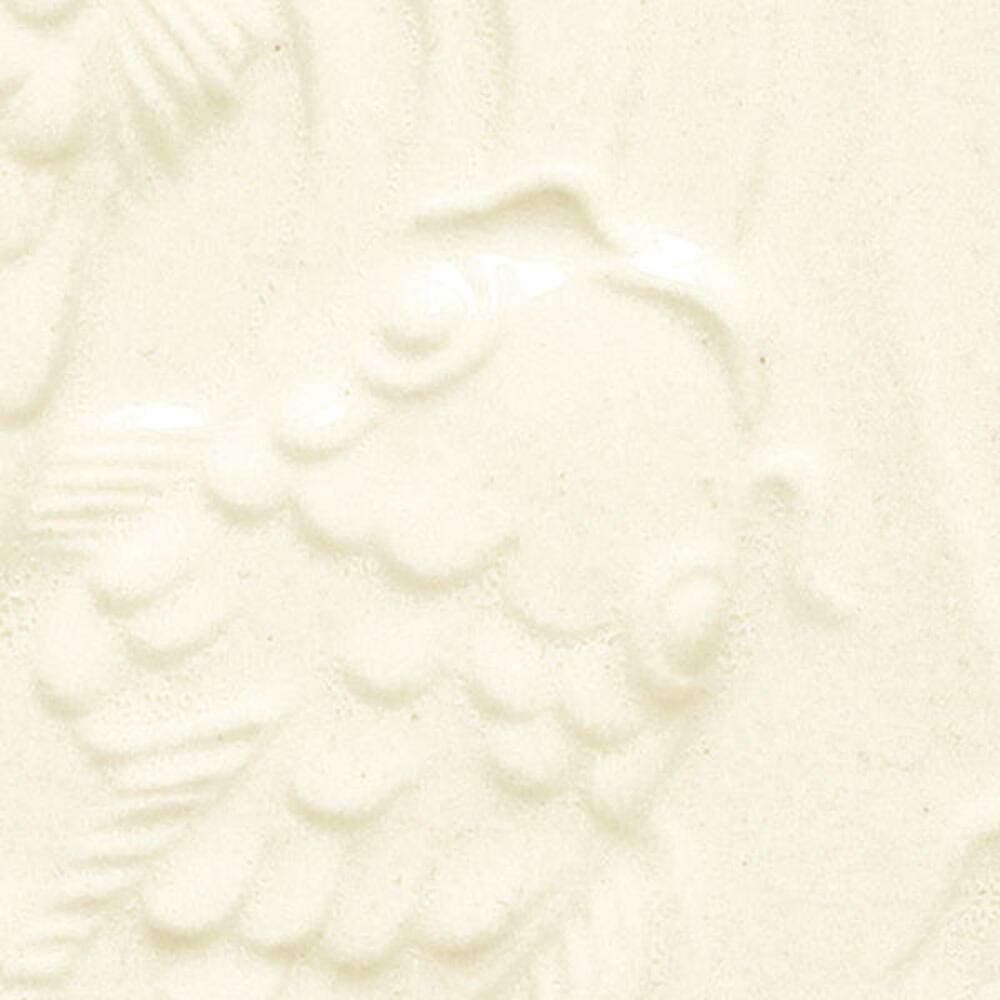
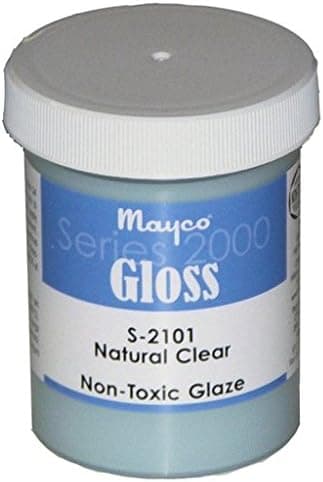
+ Brushing formula applies smoothly in even coats
From our guide: Best Clear Glazes: Crystal-Clear Coats That Do Not Cloud or Craze
Popular right now
- Firing Schedules ExplainedArticle
- Best Small Kilns for Test Tiles, Jewelry, and Compact StudiosBuying guide
- Underglaze TechniquesArticle
- Bisque Firing vs Glaze FiringArticle
- Fixing Common Throwing Problems on the Pottery WheelArticle
- Caring for Pottery ToolsArticle
Based on the last 28 days of search and visitor data.