How to Keep Making Pottery in a Cold Winter Studio
Published How we research
Many home potters work in garages, sheds and basements that get very cold in winter. Low temperatures slow drying, make clay stiff and uncomfortable to handle, and can freeze clay, glazes and unfired pieces. Freezing damages clay structure and can destroy greenware. With a few precautions, you can keep making pottery through the winter months.
Keep clay from freezing
Water in clay expands as it freezes, breaking apart clay particles and changing workability. Frozen clay can become crumbly or lumpy and may need reclaiming.
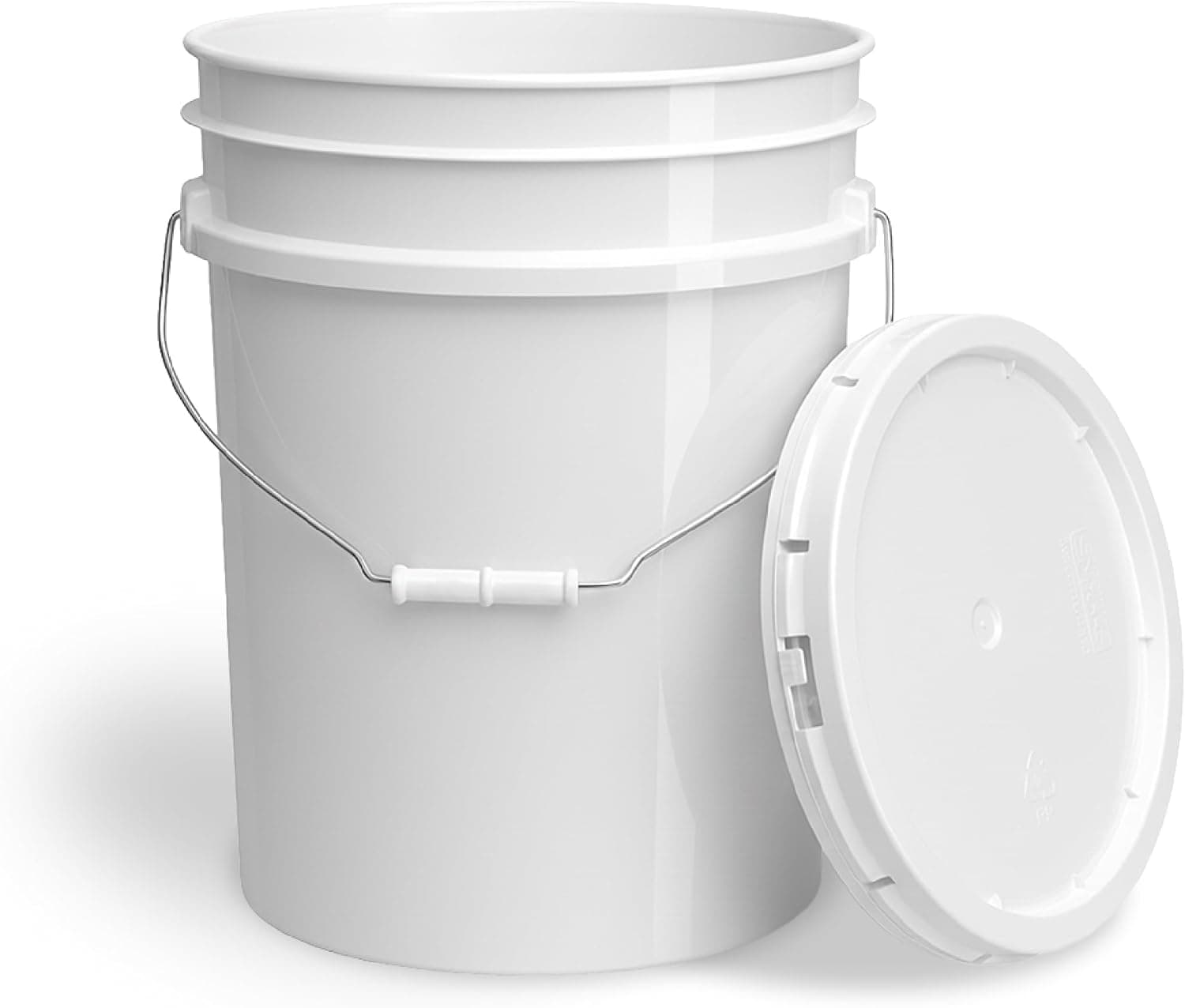
Store clay bags indoors or in an insulated container in cold weather. If clay has frozen, let it thaw slowly, then wedge thoroughly before use, and reclaim it if it remains crumbly.
Protect glazes and slips
Liquid glazes, underglazes and slips can separate or break down after freezing. Many manufacturers advise keeping them from freezing, and some products cannot be restored.
Move glazes indoors during cold months or store them in a heated area. Stir thoroughly and test glazes that may have been exposed to low temperatures.
Save greenware from damage
Unfired pots that freeze while damp can crack or crumble. Never leave drying greenware in an unheated space overnight during freezing weather.
Bring pieces into a warmer room to dry, or use a damp box indoors to control drying. Bisque fire pieces before freezing weather arrives if possible.
Manage drying in cold, damp air
Cold studios often have high humidity, which makes pots dry very slowly. Slow drying can help prevent cracks but may delay trimming and firing.
A small dehumidifier or gentle air circulation helps. Avoid placing pots near space heaters, which dry one side too quickly and cause warping or cracking.
Stay comfortable and safe
Cold water makes throwing uncomfortable and stiffens hands. Use warm water in your throwing bucket and wear warm layers with sleeves that will not drag in clay.
If using a space heater, choose one with safety shutoff and keep it away from flammable materials and dusty areas. Clean up clay dust regularly with wet methods rather than sweeping.
Plan kiln firings
Kilns in cold garages may take longer to heat, and outdoor temperatures can affect cooling. Follow manufacturer instructions for venting and electrical requirements.
Ensure pieces are completely dry before firing, since cold, damp conditions leave more moisture in ware. Use a slower candling segment at the start of firing to drive out moisture safely.
Products from this article
The highest-scoring picks from the buying guides mentioned above. Scores are our editorial assessment, not customer ratings.
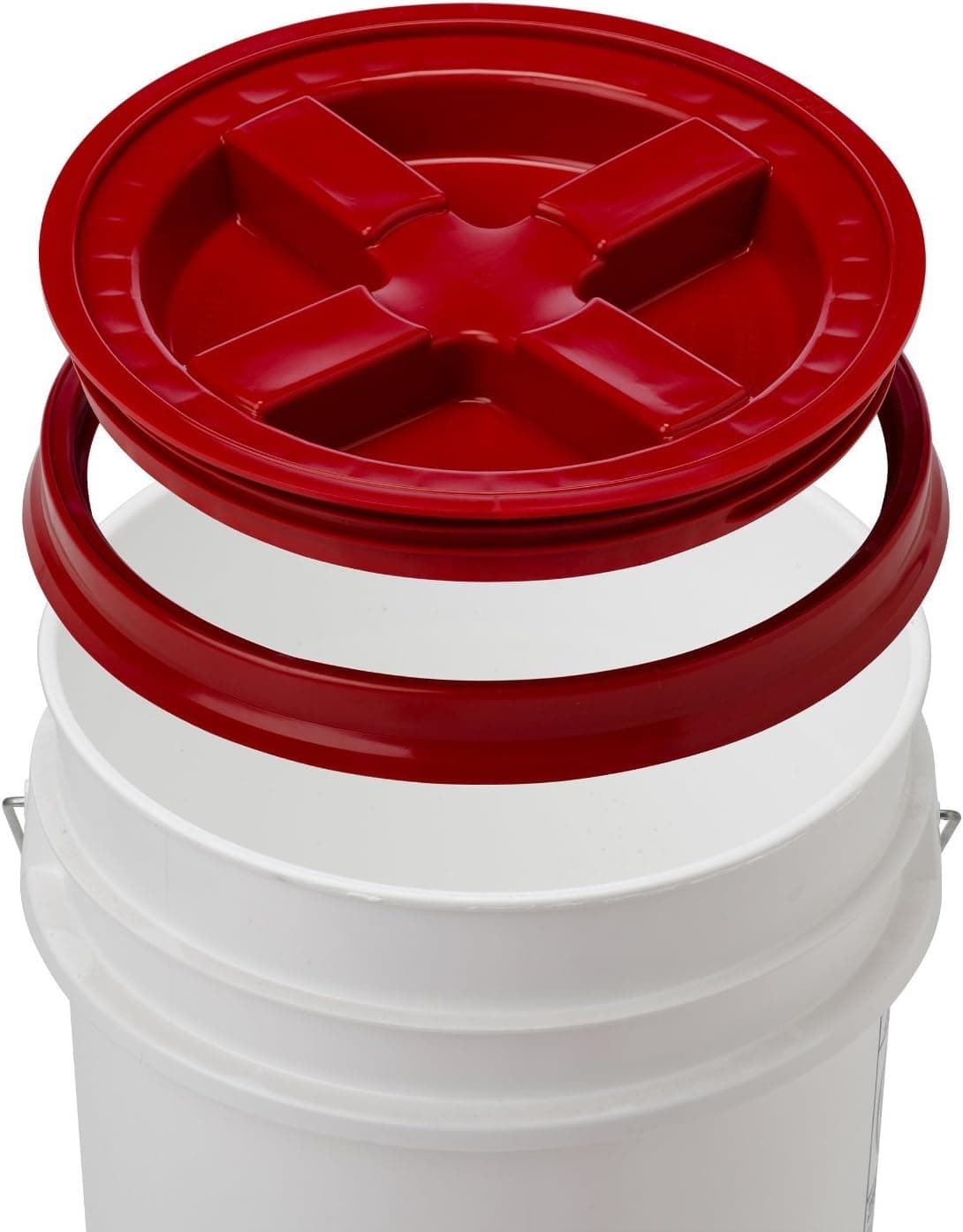
+ Gamma2 screw lid opens and reseals easily, unlike snap lids
From our guide: Best Clay Storage Containers to Keep Clay Workable for Months
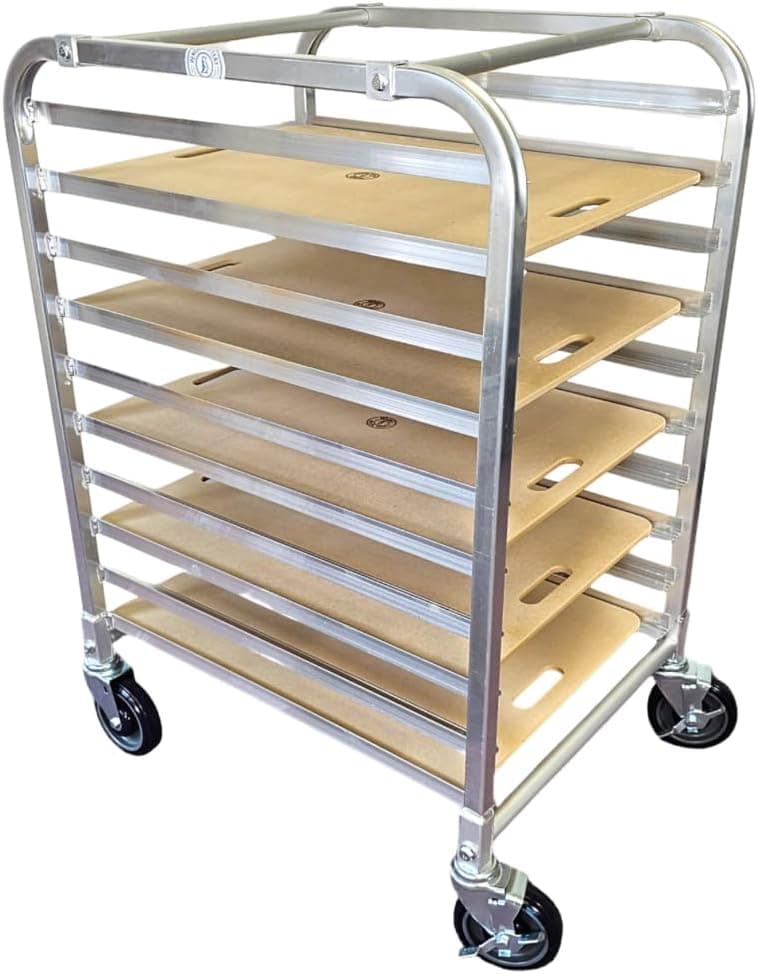
+ Plastic cover slows drying so greenware does not crack
From our guide: Best Drying Racks for Pottery Studios Short on Space
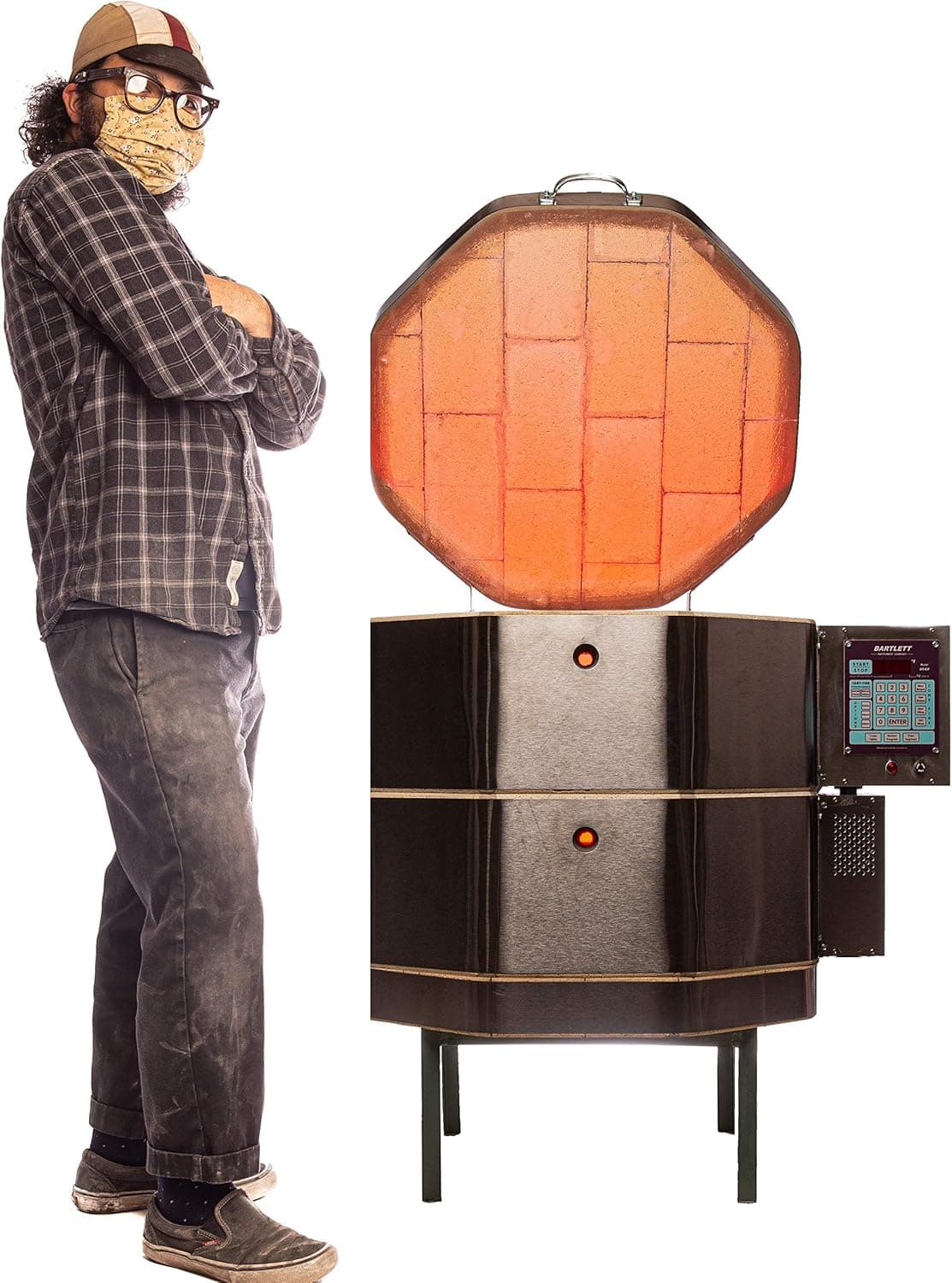
+ Cone 10 rating covers low, mid and high fire work
From our guide: Best Home Pottery Kilns for Firing Clay Where You Live
+ Airtight gasketed lid keeps reclaim clay moist for weeks
From our guide: Best Clay Storage Containers to Keep Clay Workable for Months
Popular right now
- Firing Schedules ExplainedArticle
- Best Small Kilns for Test Tiles, Jewelry, and Compact StudiosBuying guide
- Underglaze TechniquesArticle
- Bisque Firing vs Glaze FiringArticle
- Fixing Common Throwing Problems on the Pottery WheelArticle
- Caring for Pottery ToolsArticle
Based on the last 28 days of search and visitor data.