Hand Building vs Wheel Throwing
Published How we research
Every new potter faces the same fork in the road: learn the wheel, or learn to build by hand. The wheel has the glamour, thanks to every film scene ever shot in a pottery studio, but hand building is the older tradition by thousands of years and remains the backbone of ceramic sculpture and much of the world's functional ware. The honest answer about which to learn first depends on your budget, your space, and what you actually want to make.
Hand building covers three core techniques. Pinching shapes a ball of clay between fingers and thumb into cups and small bowls. Coiling stacks rolled ropes of clay into vessels of essentially unlimited size, which is how enormous storage jars were made long before wheels existed. Slab building rolls clay flat and assembles the sheets into boxes, mugs, plates, and architectural forms. All three need nothing more than a table, a rolling pin, and a handful of cheap tools, which makes hand building the lowest-cost entry into ceramics by a wide margin.
Wheel throwing produces round, symmetrical vessels quickly once you are skilled, and that qualifier carries real weight. The wheel has a steep early learning curve: expect weeks of practice before centering becomes reliable and months before your cylinders stand straight. Hand building is gentler at the start, since a first slab mug can look genuinely good, but it hides its own depths. Precise seams, even walls, and clean joints take just as long to master as throwing; the difficulty is simply distributed differently across the journey.
The practical differences matter as much as the artistic ones. A wheel costs real money, occupies permanent floor space, and generates spray and trimming scraps in a radius around it. Hand building fits in a closet and cleans up off a single board. Wheel work is fast for repetition, which is why production potters throw; making eight matching mugs by hand takes far longer than throwing them. Hand building wins for anything non-round: square bakers, oval platters, sculptural work, and textured surfaces that would be wiped away by a throwing pass.
There is also a difference in how the two disciplines teach you about clay. The wheel teaches moisture control, pressure, and speed, and it punishes inattention instantly, which accelerates certain lessons. Hand building teaches structure, joining, and patience, because a coiled form built too fast slumps hours later rather than immediately. Hand builders tend to understand drying and cracking earlier; throwers tend to understand clay consistency earlier. Neither path produces a complete potter alone.
If you need a recommendation: start with hand building if your budget is tight, your space is small, or you are drawn to sculptural and organic forms; start with the wheel if round functional pottery is the dream and you have access to a wheel through a class or studio, where the learning curve is much less lonely. Better still, refuse the choice. Take a class that covers both in the first months, notice which table you drift toward when given free time, and let that preference decide. The techniques feed each other constantly: throwers add hand-built handles and spouts, and hand builders throw parts to alter. The potters whose work stands out almost always speak both languages.
Products from this article
The highest-scoring picks from the buying guides mentioned above. Scores are our editorial assessment, not customer ratings.
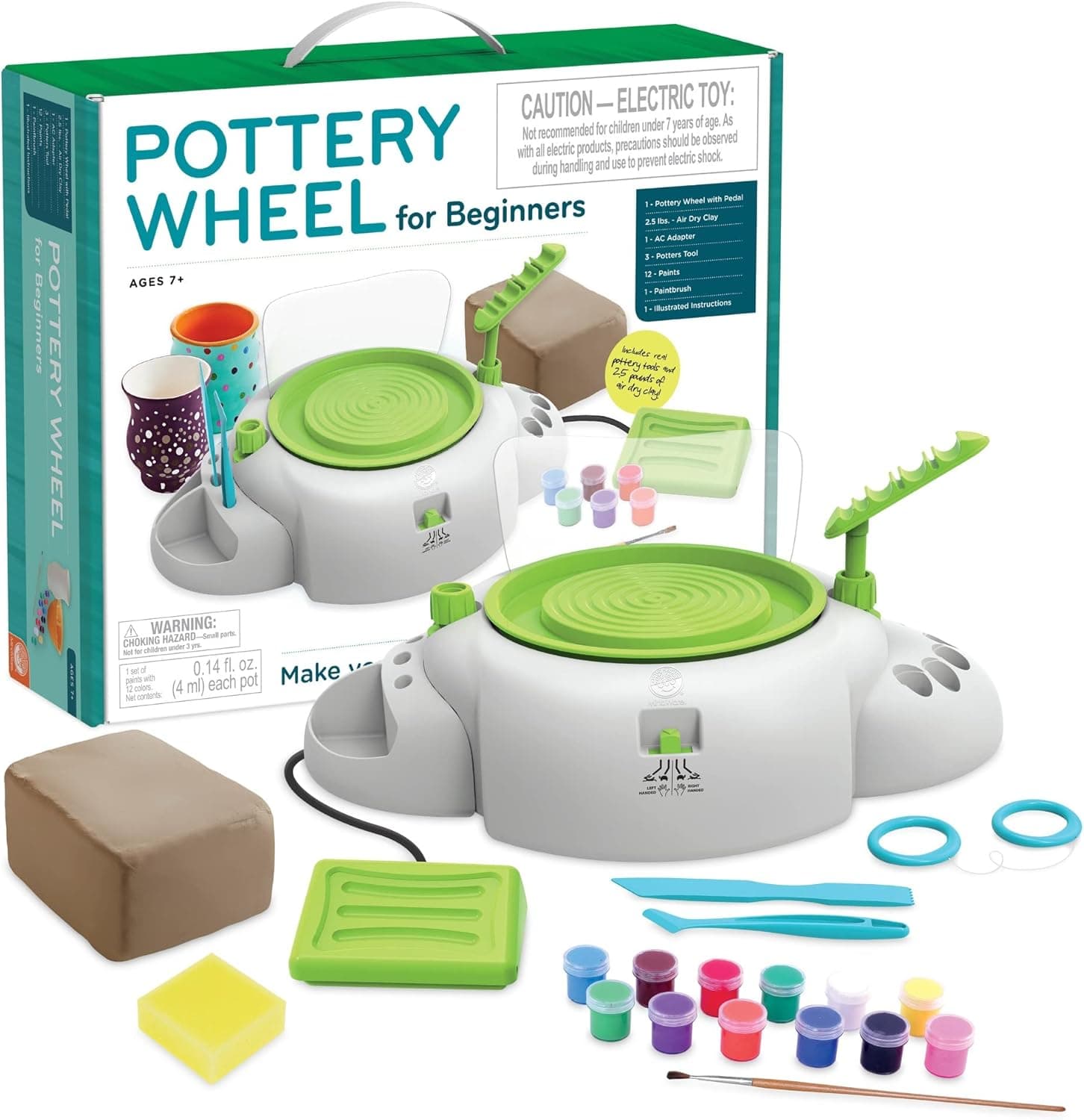
+ Plug-in motor avoids the weak spin and battery swaps of cheaper kids wheels
From our guide: Best Pottery Wheels for Beginners
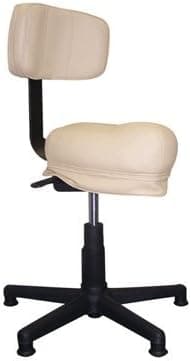
+ 18-23 Inches range fits most wheel heights
From our guide: Best Pottery Studio Stools for Hours at the Wheel
+ Xiem's stoneware handle is weighty and comfortable to hold
From our guide: Best Needle Tools for Pottery: Precision Picks for Every Studio
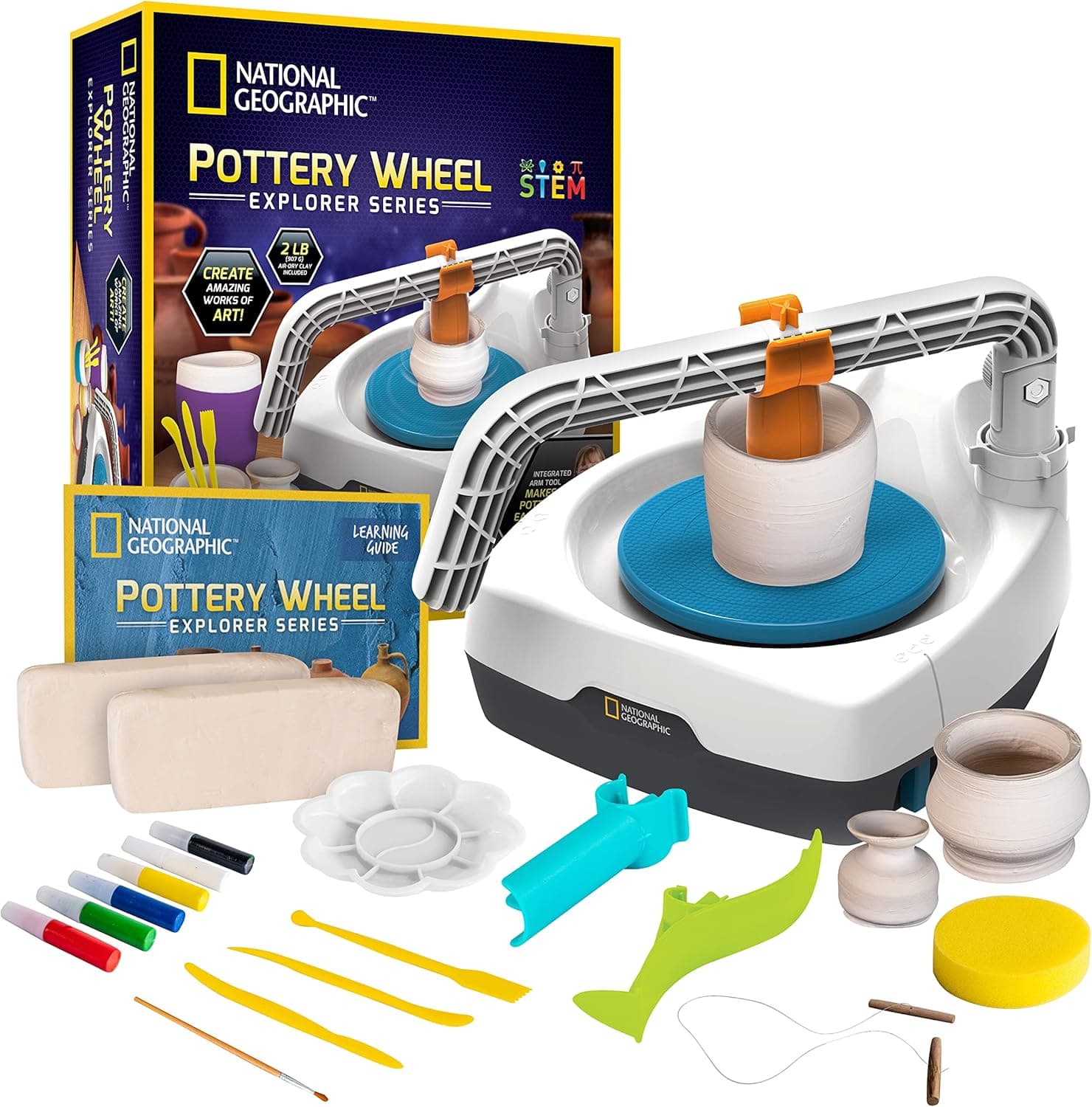
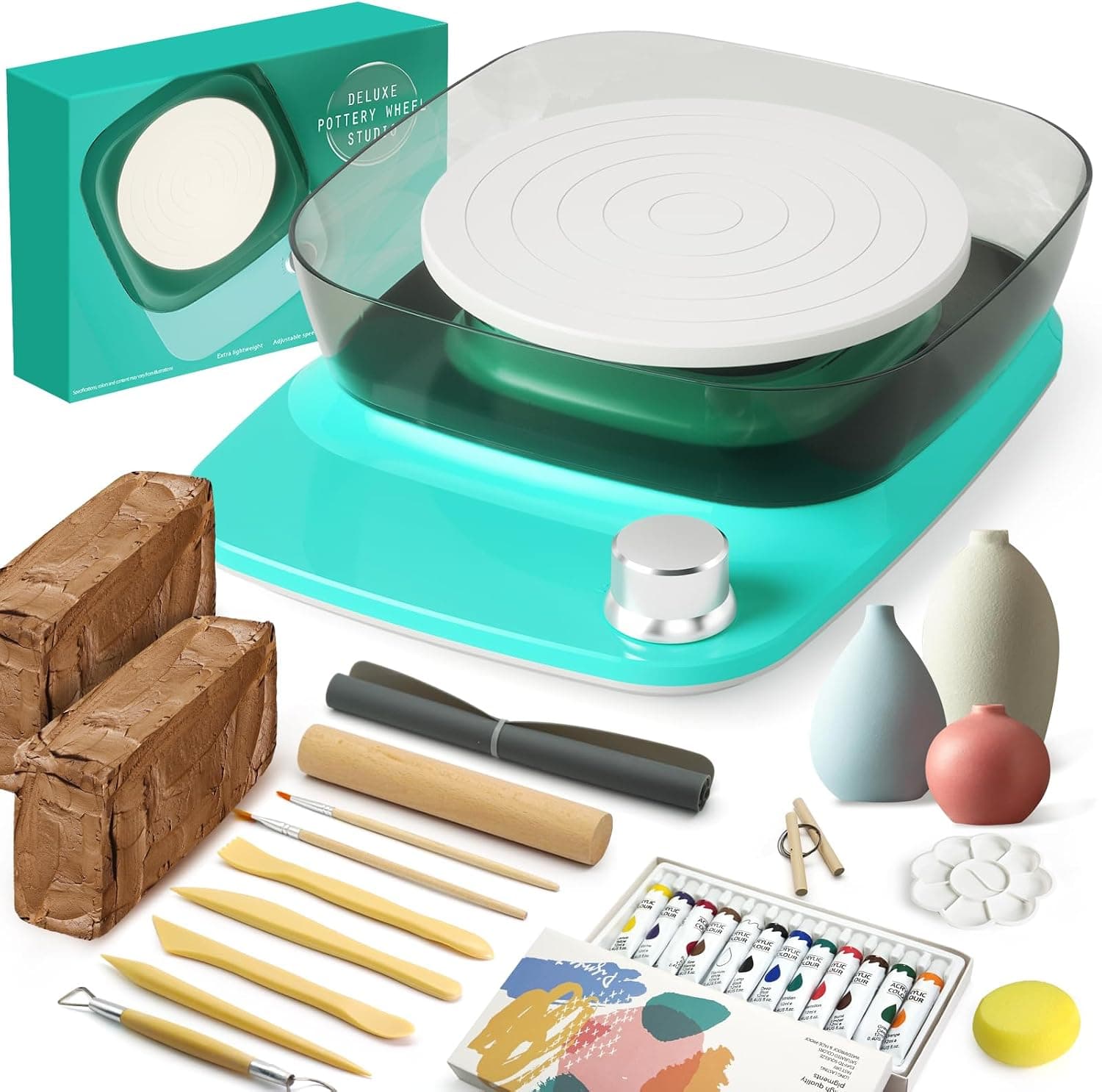
+ Rechargeable battery means no cord trailing across the table while working
From our guide: Best Pottery Wheels for Beginners

At a glance: Wheel throwing vs Handbuilding
| Wheel throwing | Handbuilding | |
|---|---|---|
| Equipment | Wheel, bats, splash pan | Table, rolling pin, basic tools |
| Cost to start | Higher | Low |
| Learning curve | Steep at first, centering takes time | Gentle |
| Shapes | Round forms | Any shape, slabs, coils, sculpture |
| Mess | Wet and splashy | Moderate |
| Space | Dedicated spot | Any sturdy table |
Choose Wheel throwing if
- You want to make mugs and bowls
- You enjoy repetition and rhythm
- You have space for a wheel
Choose Handbuilding if
- You have a small space
- You like sculptural or square forms
- You want to start cheaply
Bottom line: Handbuilding is the cheapest way to start at home. Try a wheel class before buying one, since throwing takes many hours of practice.
Popular right now
- Firing Schedules ExplainedArticle
- Best Small Kilns for Test Tiles, Jewelry, and Compact StudiosBuying guide
- Underglaze TechniquesArticle
- Bisque Firing vs Glaze FiringArticle
- Fixing Common Throwing Problems on the Pottery WheelArticle
- Caring for Pottery ToolsArticle
Based on the last 28 days of search and visitor data.