Wedging Clay Explained
Published How we research
Wedging is kneading for clay: it evens out moisture, aligns the particles, and removes trapped air so the clay centres easily and does not crack in the kiln. Ram's head wedging (press down and away with both palms, rock back, repeat 30 to 50 times) is all most potters ever need; spiral wedging is for preparing more than five kilograms at once. Wedge before every session, even fresh clay from the bag, because it settles into uneven moisture. Wedging is the pottery equivalent of kneading dough, and it is the step most beginners rush or skip entirely. The purpose is threefold: to even out moisture so no part of the ball is stiffer than another, to align the clay particles into a consistent orientation, and to remove trapped air pockets. Clay with hard lumps fights you during centering, and clay with hidden air bubbles throws unevenly and can crack in the kiln. Ten minutes of wedging saves an hour of frustration at the wheel.
Ram's head wedging
The most accessible technique is ram's head wedging, named for the shape the clay takes. Stand at a sturdy table roughly at mid-thigh height, press the clay down and away from you with the heels of both hands, then rock it back toward you and repeat. The clay folds over itself in a controlled way, and after 30 to 50 pushes the mass becomes uniform. The key detail is that you are compressing and rolling, not folding air in. If your motion traps visible pockets, you are lifting the clay too high before pressing; keep the rotation tight and low.
Spiral wedging and when to learn it
Spiral wedging is the technique you see production potters use, where one hand twists the clay while the other presses, producing a shell-like spiral cone. It processes large amounts of clay efficiently and aligns particles in a spiral that some throwers swear improves centering. It is also genuinely awkward to learn, and many potters work happily for decades with ram's head alone. Learn spiral wedging when you regularly prepare more than five kilograms at a session; before that, it solves a problem you do not have.
Practical details that make wedging work
A few practical details make wedging work better. The surface matters: plaster, concrete board, or canvas-covered wood all provide the slight absorbency and grip that a slick tabletop lacks. Wedge before every throwing session even if the clay is fresh from the bag, because bagged clay settles into uneven moisture, with the outside stiffer than the core. Cut the mass in half with a wire occasionally and inspect the face; a good wedge shows a dense, even surface with no voids or marbled streaks. Marbling means keep going.
Rescuing clay in imperfect condition
Wedging is also how you rescue clay in imperfect condition. Slightly stiff clay softens if you cut it into slices, layer the slices with wet sponge dabs or spray, stack them, and wedge the moisture through. Slightly soft clay firms up when wedged on a fresh plaster bat that pulls water out. Combining reclaimed scraps with fresh clay is a wedging job too, and it demands more cycles than usual because you are merging bodies with very different moisture levels into one predictable material.
Can you ever skip wedging?
Can you ever skip wedging? Modern pugged clay straight from an unopened bag is de-aired and generally throwable for small pieces, and plenty of potters slice and throw it directly. But treat that as an exception you earn with experience, not a default. When a pot fails at the wheel, poorly prepared clay hides in the list of suspects behind technique, and beginners cannot yet tell those failures apart. Wedge properly for your first year and you remove an entire category of doubt. There is also an unglamorous benefit: wedging is the warm-up that gets your hands, wrists, and attention ready to work, and sessions that start with it tend to go better for reasons beyond the clay.
Frequently asked questions
Why do I need to wedge clay? To even out moisture so no part is stiffer than another, to align the clay particles, and to remove air pockets that make clay throw unevenly and crack in the kiln.
What is the easiest wedging technique? Ram's head wedging: at a mid-thigh-height table, press the clay down and away with the heels of both hands, rock it back, and repeat 30 to 50 times until the mass is uniform.
Am I wedging air into the clay? If you see trapped pockets, you are lifting the clay too high before pressing. Keep the rotation tight and low so you compress and roll rather than fold air in.
Can I throw clay straight from the bag without wedging? Modern pugged, de-aired clay is throwable for small pieces, and experienced potters do it. But bagged clay settles into uneven moisture, so wedging is the reliable default, especially in your first year.
Products from this article
The highest-scoring picks from the buying guides mentioned above. Scores are our editorial assessment, not customer ratings.
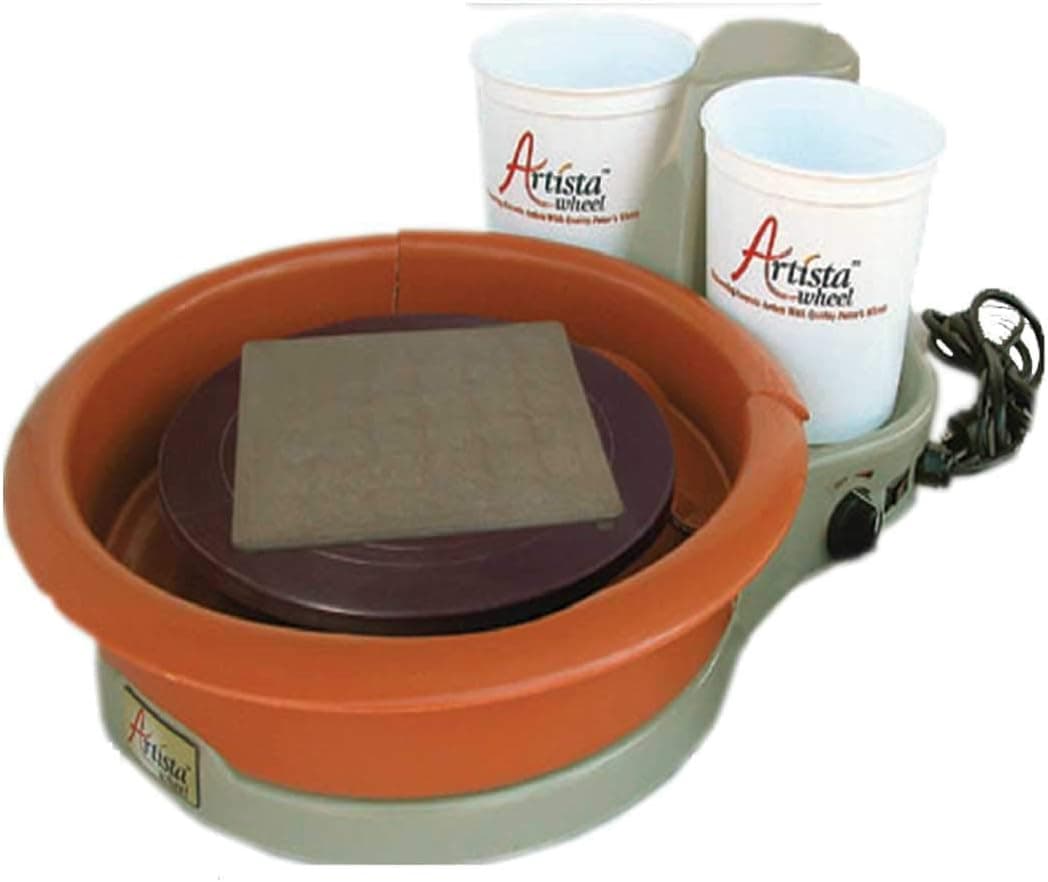
+ Speedball is a long-established pottery brand, so parts and support are easier to find
From our guide: Best Pottery Wheels
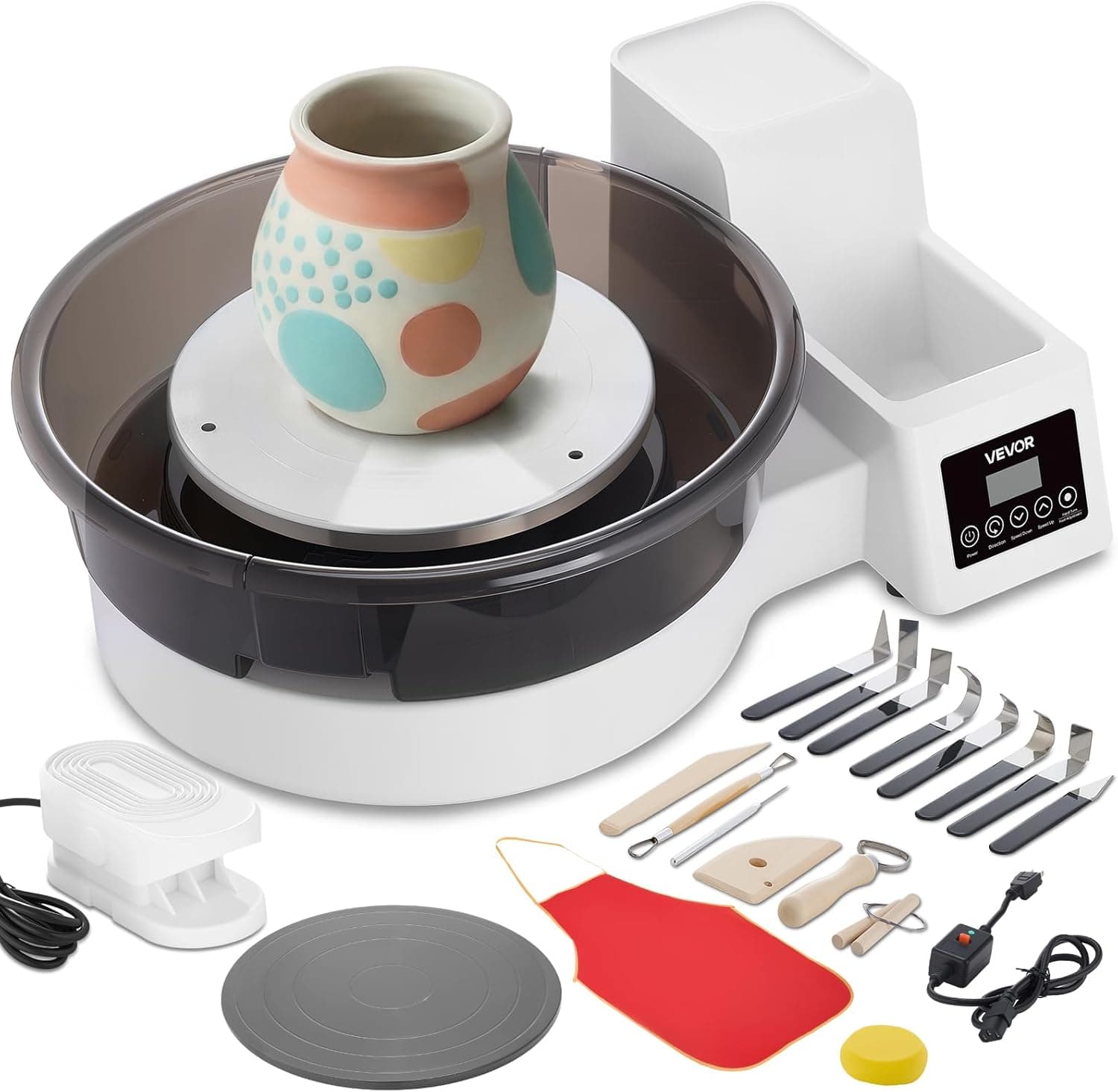
+ Two turntables, 14" and 11", let you switch between wide platters and mugs
From our guide: Best Tabletop Pottery Wheels
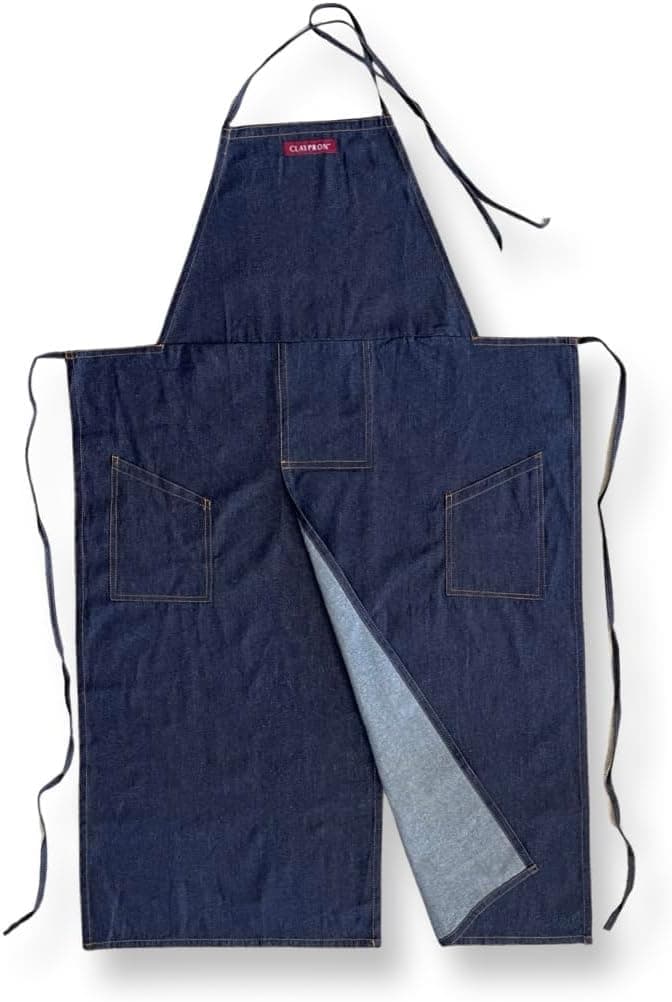
+ Split overlapped design lets you sit at the wheel with legs covered
From our guide: Best Pottery Aprons for Throwing, Trimming, and Glazing
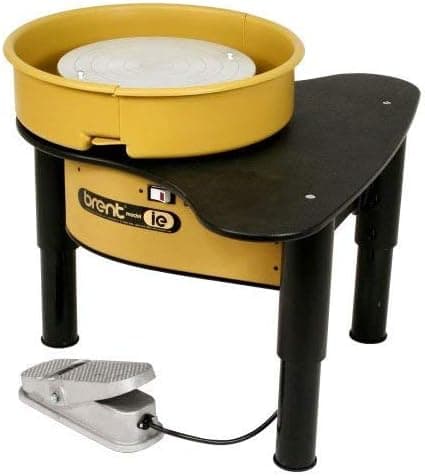
+ Brent wheels have a strong reputation in schools and pro studios for lasting decades
From our guide: Best Pottery Wheels
Popular right now
- Firing Schedules ExplainedArticle
- Best Small Kilns for Test Tiles, Jewelry, and Compact StudiosBuying guide
- Underglaze TechniquesArticle
- Bisque Firing vs Glaze FiringArticle
- Fixing Common Throwing Problems on the Pottery WheelArticle
- Caring for Pottery ToolsArticle
Based on the last 28 days of search and visitor data.