Underglaze vs Glaze: What Is the Difference?
Published How we research
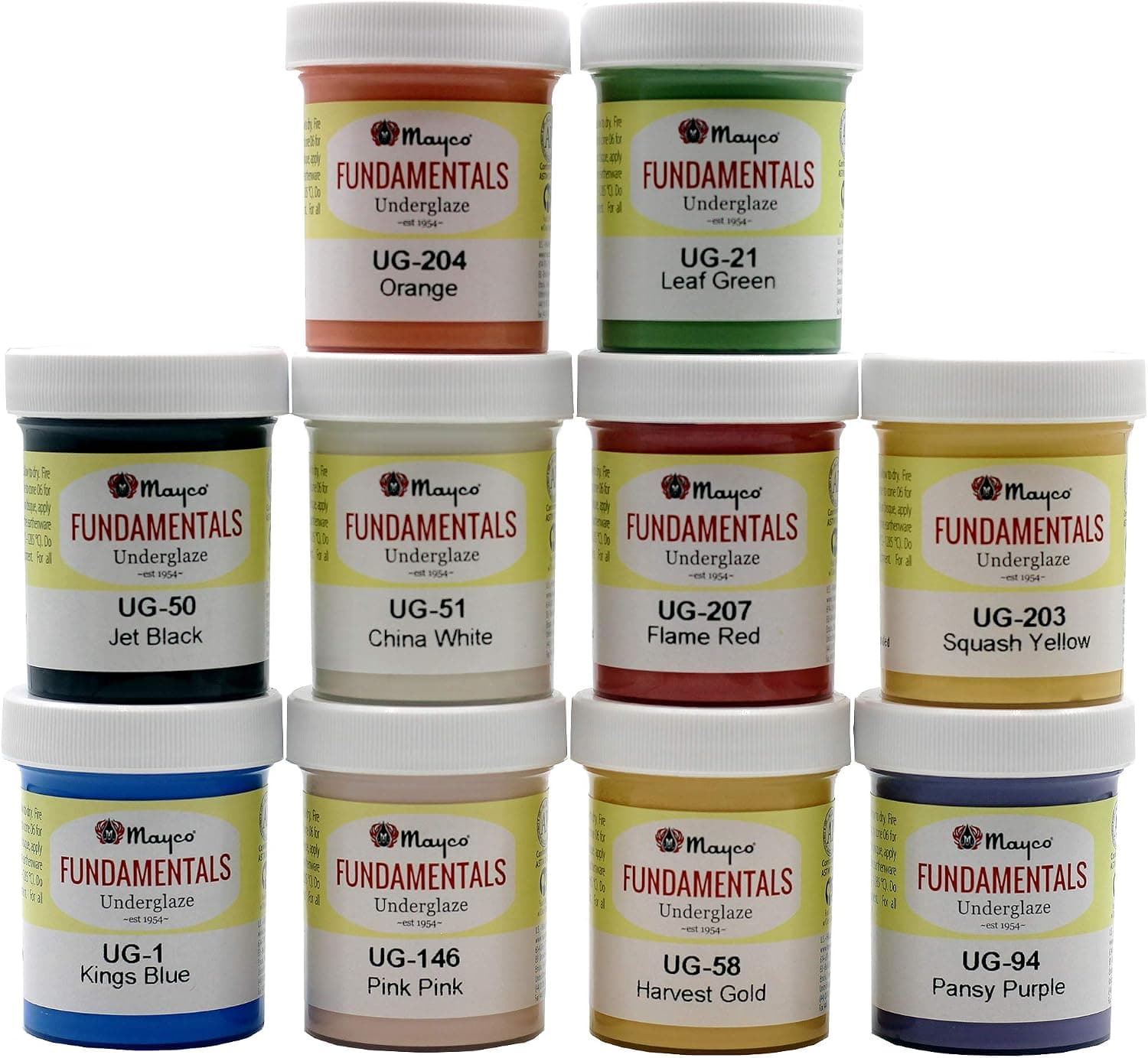
Underglaze is a clay-based color that stays exactly where you put it and fires to a dry, matte surface. Glaze is a glass-forming coating that melts in the kiln and seals the pot with a smooth, usually glossy, layer. That one difference, color that stays put versus a coating that melts and flows, explains almost everything about how the two are used. Underglaze does the drawing and painting. Glaze does the sealing and gives functional pots a surface you can wash and eat from. Most decorated pottery uses both: underglaze for the design, then a clear glaze over the top.
What underglaze is
Underglaze is essentially a thin, heavily pigmented slip: fine clay, colorants and a small amount of flux and binder. Because it is mostly clay and pigment, it does not melt into glass at normal firing temperatures. It sinters onto the surface and stays put, so a line drawn with underglaze comes out of the kiln as the same line, in the same place, with the same crisp edge.
That stability is the whole point. You can paint fine detail, layer one color over another, carve back through it for sgraffito, or apply it with pencils, stamps and printed transfers. The design you paint is the design you get, although the color looks pale and chalky when dry and only reaches full strength once it is fired under a clear glaze. Commercial underglazes usually need two or three coats for solid, opaque color, and a single coat gives a thinner, more watercolor-like wash.
Underglaze goes on at more stages than glaze does. Most brands can be applied to leather-hard clay, bone dry greenware or bisque. Applying it to leather-hard clay bonds it well and lets you carve through it. Applying it to bisque is easier for careful painting, because the pot is strong enough to handle freely.
What glaze is
Glaze is a mix of glass former (silica), flux to make it melt at kiln temperatures, and alumina to keep the melt from running off the pot, plus colorants and opacifiers. In the firing it melts completely and cools into a continuous layer of glass bonded to the clay. That glass is what makes a mug easy to clean and, on a properly fired body, able to hold liquid without seeping.
Because it melts, glaze moves. It flows a little down vertical walls, pools in textures, breaks thin over edges and blends where two glazes overlap. Those effects are why potters love glaze, and also why it cannot hold a fine drawn line. The raw color in the bucket also tells you very little: many glazes look pale pink, grey or rust before firing and only develop their color in the kiln.
Glaze is normally applied to bisque by dipping, pouring or brushing, and it must be kept off any surface that touches the kiln shelf. Melted glaze will fuse a pot to the shelf, which is why feet are waxed or wiped clean before a glaze firing.
The differences that matter at the bench
Surface: underglaze on its own fires matte and slightly dry to the touch, a bit like unglazed colored clay. Glaze fires to a glassy coat that can be gloss, satin or matte depending on the recipe. If you want a sealed, wipe-clean surface, underglaze alone will not give it to you.
Movement: underglaze does not run, so designs stay sharp and two colors side by side keep a clean boundary. Glaze softens and flows, so edges blur and overlaps create new colors. Use underglaze when the placement of color matters, and glaze when you want the kiln to do some of the work.
Timing: underglaze can go on greenware or bisque, while glaze goes on bisque in most studios. Pots with only underglaze on them can touch each other in a bisque firing, because nothing on them melts. Glazed pots must never touch each other or the shelf with a glazed surface.
Color predictability: underglaze in the jar looks roughly like its fired color, so painting with it feels like painting. With glaze you work from test tiles, because the wet color and the fired color are rarely the same.
When to use underglaze, glaze, or both
Reach for underglaze when the piece is about drawing: illustration, lettering, patterns, sgraffito, or any design with edges that need to stay where you put them. Reach for glaze alone when the piece is about surface and form: a single color mug, a breaking celadon over carved texture, or layered glazes that run together.
For functional ware with a painted design, use both. The usual sequence is underglaze first, then a transparent glaze over it to seal the surface and bring the colors up. Choose a clear glaze rated for the same cone as your clay, and check that it is described as suitable over underglaze. Some clears contain zinc, which can shift certain underglaze colors, particularly greens and pinks, so zinc-free clears are a common choice for underglaze work.
Purely decorative work, such as sculpture or wall pieces, can be left with underglaze only. The finish is matte and the color is quieter than it would be under a clear, which many makers like. Just keep unglazed underglaze off surfaces that will hold food or drink, since it is not a sealed glass layer.
How to layer them without smearing or clouding
If you underglaze on leather-hard or bone dry clay, the bisque firing fixes the color to the pot, and you can dip or brush a clear glaze afterwards with no risk of smearing. This is the most forgiving route and the one to start with. It also suits transfers, which are designed for unfired clay.
If you underglaze on bisque, the color is only sitting on the surface as a dry powder until it is fired. Dipping in clear glaze usually works well because nothing drags across the design. Brushing is riskier: the first coat can lift and smear the underglaze. Use a soft, well-loaded brush, lay the first coat on with as few strokes as possible and let it dry fully before the second. For heavily painted pieces, some potters fire to bisque temperature a second time to set the underglaze before glazing.
Keep the clear coat thin and even. A clear glaze applied too thickly can turn milky or cloudy and hide the design, especially over dark colors. Two to three thin brushed coats, or one short dip, is the normal range. Follow the maker's coat count where the label gives one.
Frequently asked questions
Can you use underglaze without glaze? Yes, for decorative work. It fires to a matte, unsealed surface. For anything that will hold food or drink, or that needs regular washing, cover it with a clear glaze rated for your firing temperature.
Can you put underglaze on top of glaze? It is done, usually by painting over an unfired glaze coat so the color sinks into the melt, but results depend on both products and the color may blur or change. Underglaze is designed to go under a glaze, so test on a tile before trying it on a finished pot.
Do underglazes work at every temperature? Many commercial underglazes are rated from low fire through cone 5 or 6, and some go higher, but individual colors behave differently. Reds, pinks and purples are the most likely to fade at higher temperatures. Check the firing range on the label for each color.
Is underglaze the same as slip or engobe? They are close relatives. Slip is liquid clay, sometimes colored, and is normally applied to wet or leather-hard clay. Underglaze is formulated with more pigment and some flux so it can also be applied to bone dry clay and bisque without flaking.
Products from this article
The highest-scoring picks from the buying guides mentioned above. Scores are our editorial assessment, not customer ratings.
+ Velvet underglazes are a studio standard for reliable, even color
From our guide: Best Underglazes: Vivid, Stable Color for Every Firing Range
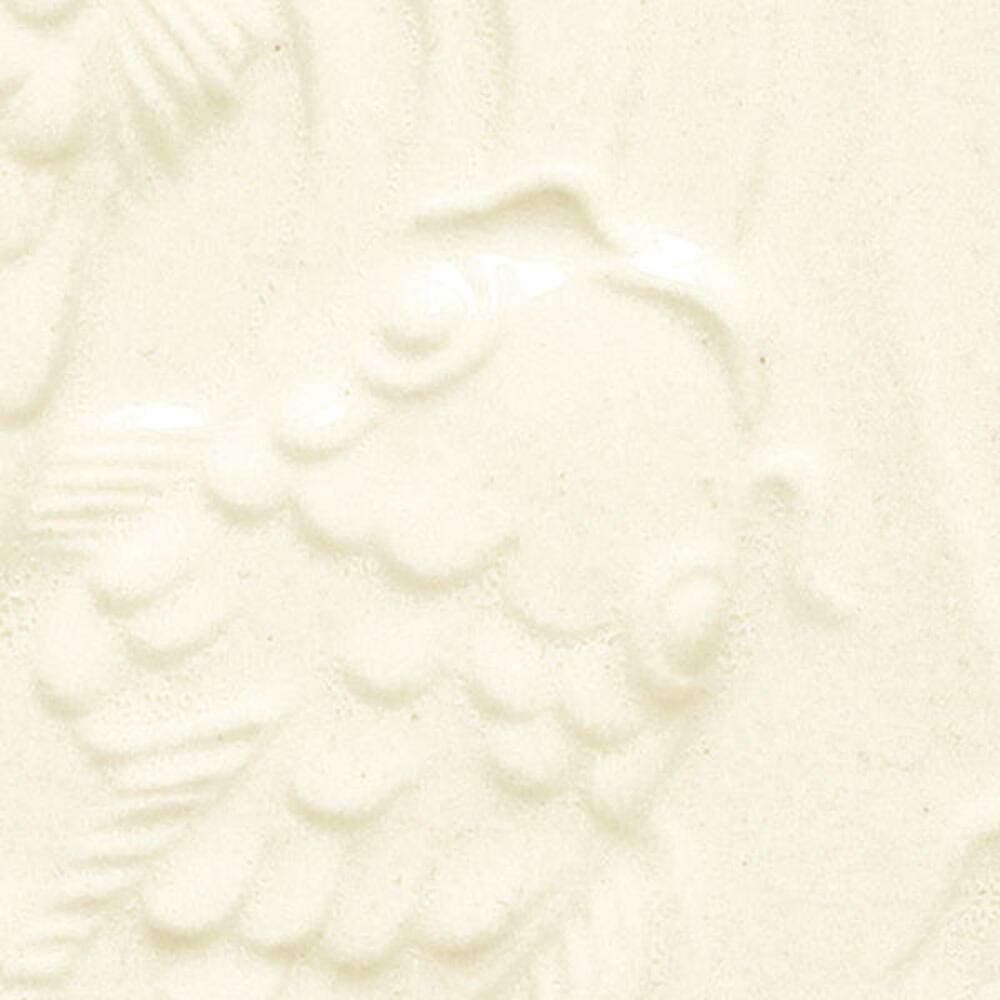
+ LG-10 is a classic low fire clear widely used in classrooms
From our guide: Best Clear Glazes: Crystal-Clear Coats That Do Not Cloud or Craze
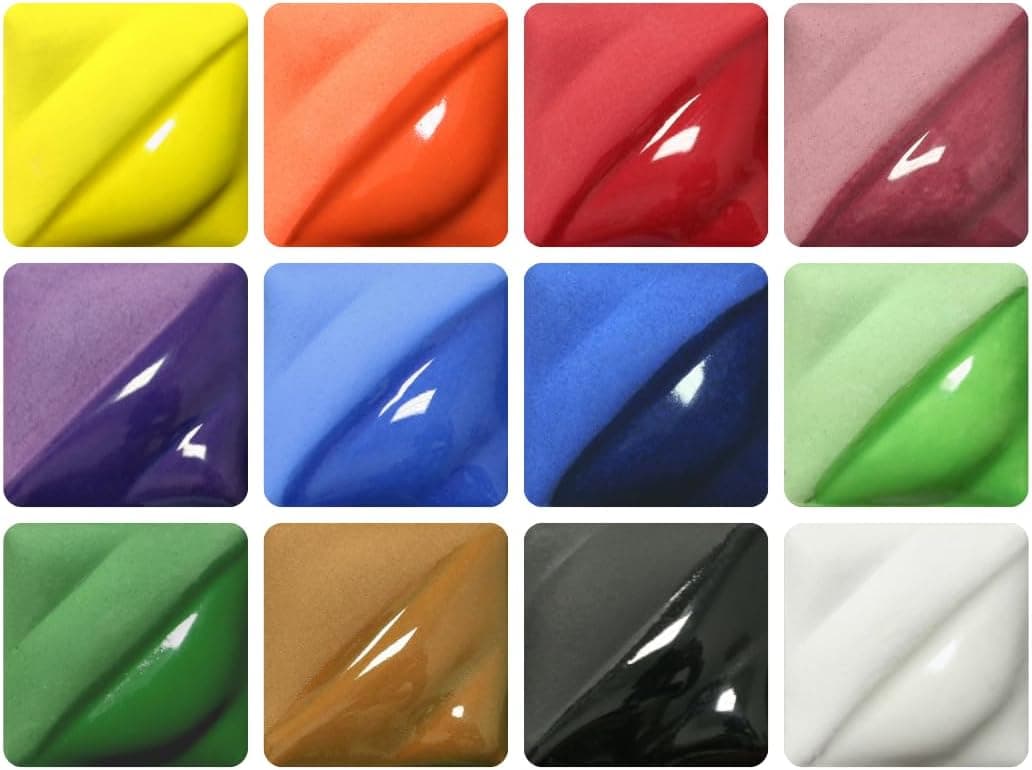
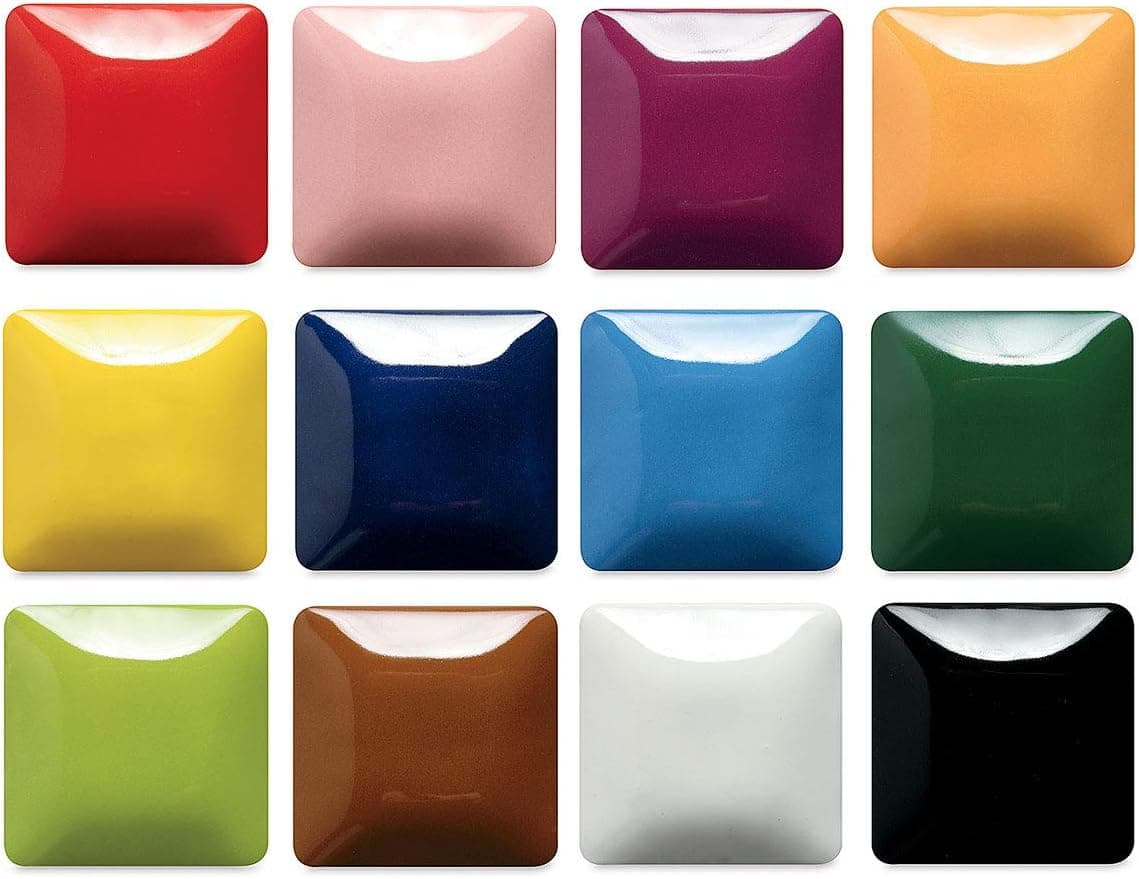
+ 12 colors give a full palette for painting pottery designs
From our guide: Best Pottery Glazes: Reliable Cone 5-6 and Low Fire Favorites
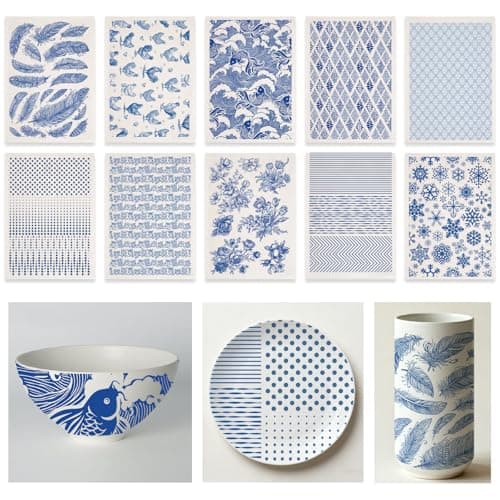
+ Ten sheets in ten different styles, so one pack gives a varied library of blue motifs to cut from.
From our guide: Best Underglaze Transfers for Printed Patterns on Pottery
Popular right now
- Underglaze TechniquesArticle
- Why Glaze Crazes and How to Prevent ItArticle
- Best Clay Storage Containers to Keep Clay Workable for MonthsBuying guide
- Recycling ClayArticle
- Fixing Common Throwing Problems on the Pottery WheelArticle
- Best Ware Boards for Moving and Drying Pots SafelyBuying guide
Based on the last 28 days of search and visitor data.