Choosing a Clay Body
Published How we research
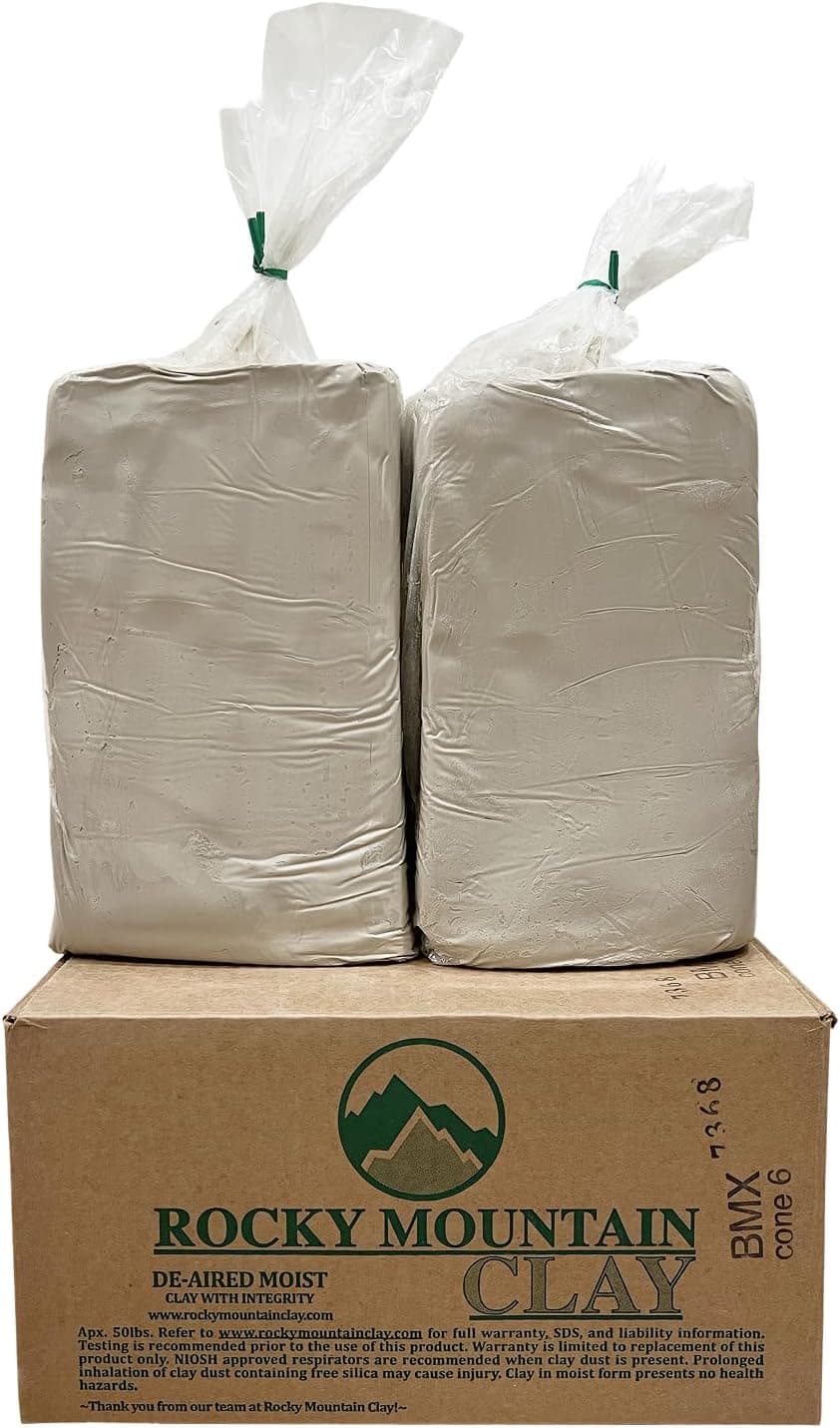
Walk into a ceramics supplier and you will face a wall of clay boxes with names that tell you almost nothing. Behind the branding, every clay body is a recipe of clays, fluxes, and fillers designed around two questions: what temperature will it be fired to, and what working properties does the maker need? Understand those two axes and the wall of boxes becomes readable.
The three broad families are earthenware, stoneware, and porcelain. Earthenware fires low, typically cone 06 to 04, stays slightly porous even when fired to maturity, and is the classic material of terracotta pots, majolica, and most historical folk pottery. Stoneware fires in the middle to high range, around cone 5 to 10, and vitrifies into a dense, durable body that makes it the default choice for functional dishes. Porcelain fires high, vitrifies to near-glass translucency in thin sections, and offers the whitest canvas for glazes at the cost of being the most demanding clay to work with.
Firing temperature is not a preference; it is a constraint set by your kiln access. If you fire at a community studio, ask what cone they fire to and buy clay rated for exactly that range. Clay fired below its maturity stays porous and weak, while clay fired above its range can slump, bloat, or in bad cases melt onto kiln shelves, which is the fastest way to lose your firing privileges. Most electric kiln studios today run cone 5 or 6, which is why mid-fire stoneware dominates the hobby market.
The second axis is texture, controlled mainly by grog: fired clay ground into particles and added back to the body. A heavily grogged clay feels sandy, stands up tall without slumping, survives uneven drying, and shrugs off the stresses of hand building and large work. A smooth, grog-free clay feels silky, throws beautifully, and takes fine detail, but it shrinks more and cracks more readily. Beginners are usually best served by something in the middle: a smooth stoneware with fine grog offers forgiveness without shredding your hands during long throwing sessions.
Color matters more than beginners expect, because the clay shows through and interacts with every glaze applied over it. A white or buff body displays glaze colors accurately, which is why most commercial glaze charts are photographed on white stoneware. Red and brown bodies, colored by iron, mute and warm every glaze, sometimes beautifully and sometimes muddily. Speckled bodies contain manganese flecks that burst through glazes as freckles. None of these is wrong, but test before committing a full kiln load, and remember that the same glaze can look like two different products on two different clays.
Practical advice for choosing your first clay: buy the mid-fire stoneware your local supplier sells the most of. Popularity means the recipe is proven, the studio down the road can fire it, and advice from local potters will actually apply to your material. Buy one body and stay with it for at least three months rather than sampling constantly, because consistency is what lets you learn how drying, trimming, and glazing behave. Switching clays resets your intuition every time. Once your hands know one body well, expanding to a porcelain or a sculpture clay becomes a considered decision instead of a gamble.
Products from this article
The highest-scoring picks from the buying guides mentioned above. Scores are our editorial assessment, not customer ratings.
+ B-Mix is a smooth, plastic clay loved for learning to throw
From our guide: Best Stoneware Clay
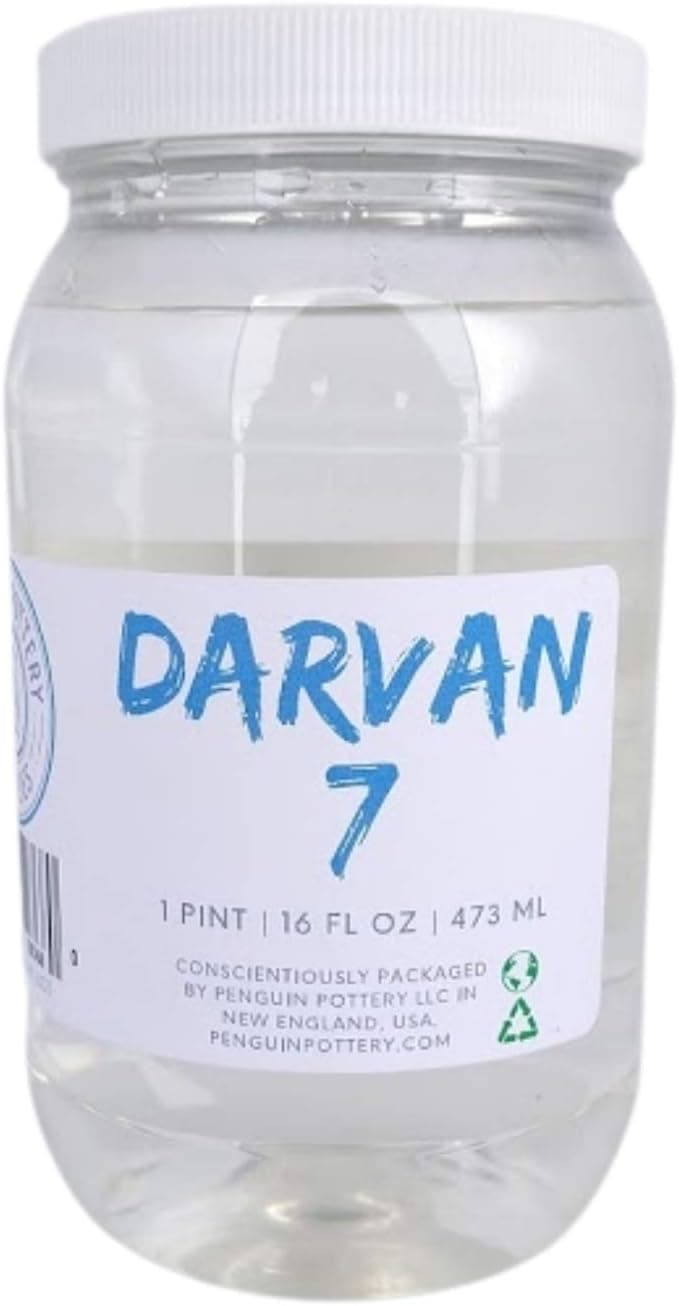
+ Gentler on plaster molds than sodium silicate, so molds last longer
From our guide: Best Casting Slip
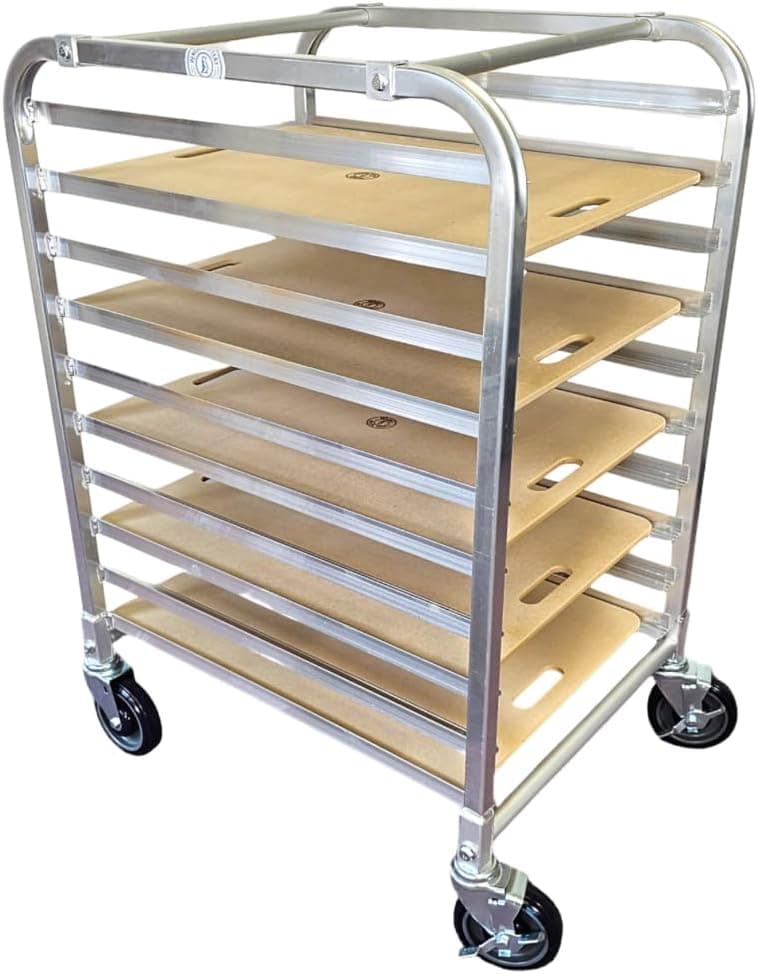
+ Plastic cover slows drying so greenware does not crack
From our guide: Best Pottery Studio Storage
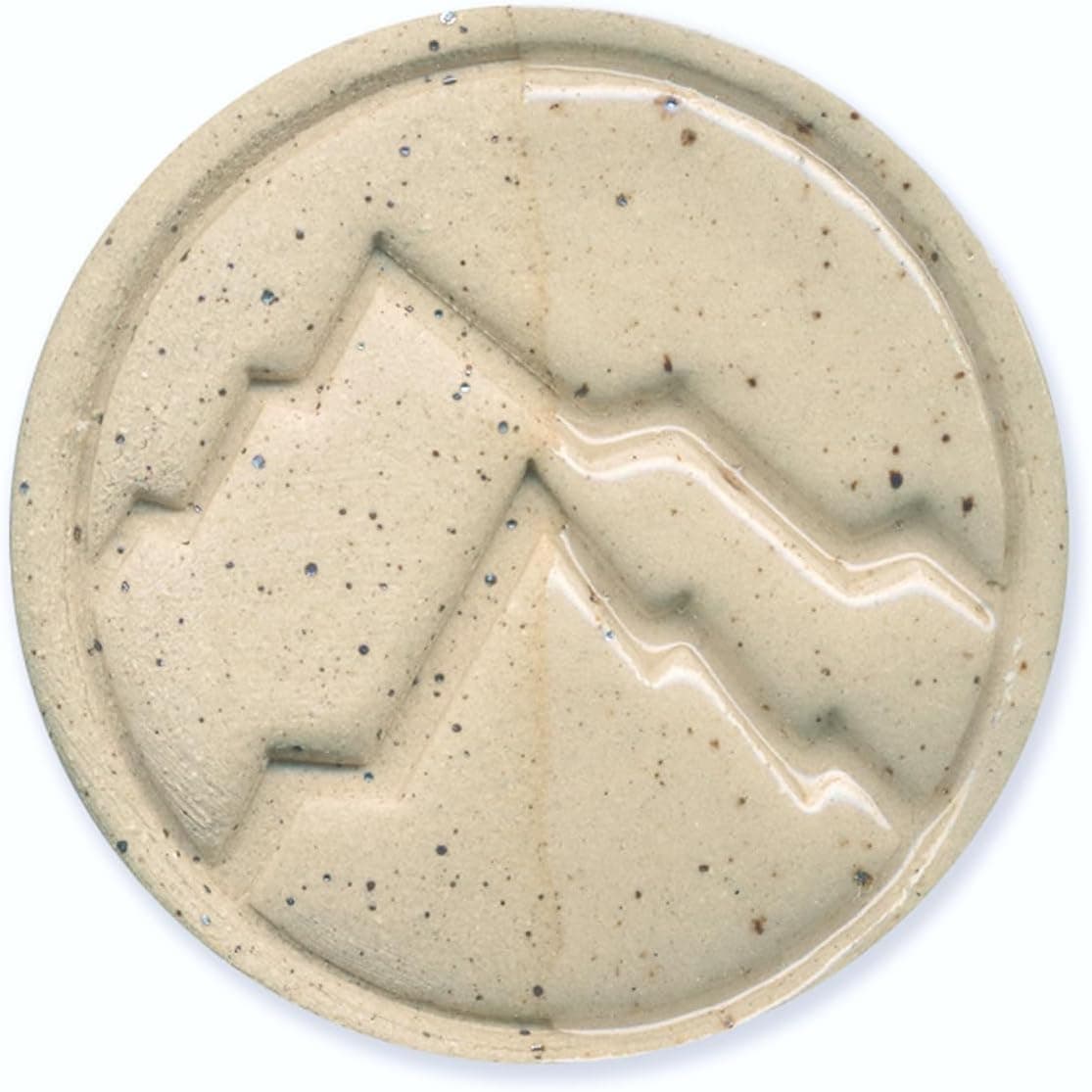
+ Speckled buff fires to a warm, rustic look under clear glazes
From our guide: Best Stoneware Clay
Popular right now
- Firing Schedules ExplainedArticle
- Best Small Kilns for Test Tiles, Jewelry, and Compact StudiosBuying guide
- Underglaze TechniquesArticle
- Bisque Firing vs Glaze FiringArticle
- Fixing Common Throwing Problems on the Pottery WheelArticle
- Caring for Pottery ToolsArticle
Based on the last 28 days of search and visitor data.