Pottery for Beginners
Published How we research
Starting pottery feels intimidating because the craft looks like it demands a wheel, a kiln, and a garage full of equipment. In reality, most successful potters began with a bag of clay, a few wooden tools, and a kitchen table covered in canvas. The single most important decision at the start is not what to buy but what to make first. Small pinch pots, simple slab dishes, and coil-built planters teach you how clay moves, how fast it dries, and how much water it tolerates. Those lessons transfer directly to every advanced technique you will learn later.
Your first purchase should be clay, and the safest choice for a beginner is a mid-range stoneware described as smooth or lightly grogged. Stoneware forgives uneven pressure, holds its shape while you work, and fires into durable pieces you can actually use. Buy a 10 to 12 kilogram bag rather than a small sample; you will go through it faster than you expect, and clay keeps for years if the bag stays sealed. Avoid porcelain at this stage. It is beautiful but punishes every hesitation, and early frustration ends more pottery hobbies than any lack of talent.
For tools, resist the urge to buy a 40-piece kit. You need a wire cutter to slice clay off the block, a wooden rib for smoothing, a metal scraper, a sponge, and a needle tool for scoring and trimming edges. Everything else can wait until a specific project demands it. A rolling pin from the kitchen and two strips of wood as thickness guides turn any table into a slab-building station. Old credit cards make excellent ribs, and a sharpened chopstick handles most detail work.
Firing is the question that stops most beginners, and the answer is simpler than it looks. You do not need to own a kiln. Most cities have community studios, ceramics suppliers, or private potters who fire work for a per-piece or per-shelf fee. Search for kiln firing services near you before you buy anything, and confirm what cone they fire to so you can buy matching clay and glazes. If nothing local exists, air dry clay lets you practice forming skills without any firing at all, though the results are decorative rather than functional.
Build a habit of making the same form repeatedly instead of chasing a new project every session. Ten pinch pots teach you more than one ambitious teapot, because repetition reveals how your hands actually behave. Keep every piece for the first month, even the failures, and line them up in order. The improvement you see in that row is the feedback loop that keeps people in the craft.
Finally, set up your space for cleanup before you set it up for making. Clay dust is the one genuine hazard in home pottery, because dried clay contains silica that should not be inhaled repeatedly. Work on canvas or a wooden board you can wipe clean, mop rather than sweep, and keep a bucket for slurry water instead of rinsing clay down the drain where it will eventually block pipes. Good habits formed in week one make the hobby sustainable for decades, and they cost nothing but attention.
Products from this article
The highest-scoring picks from the buying guides mentioned above. Scores are our editorial assessment, not customer ratings.
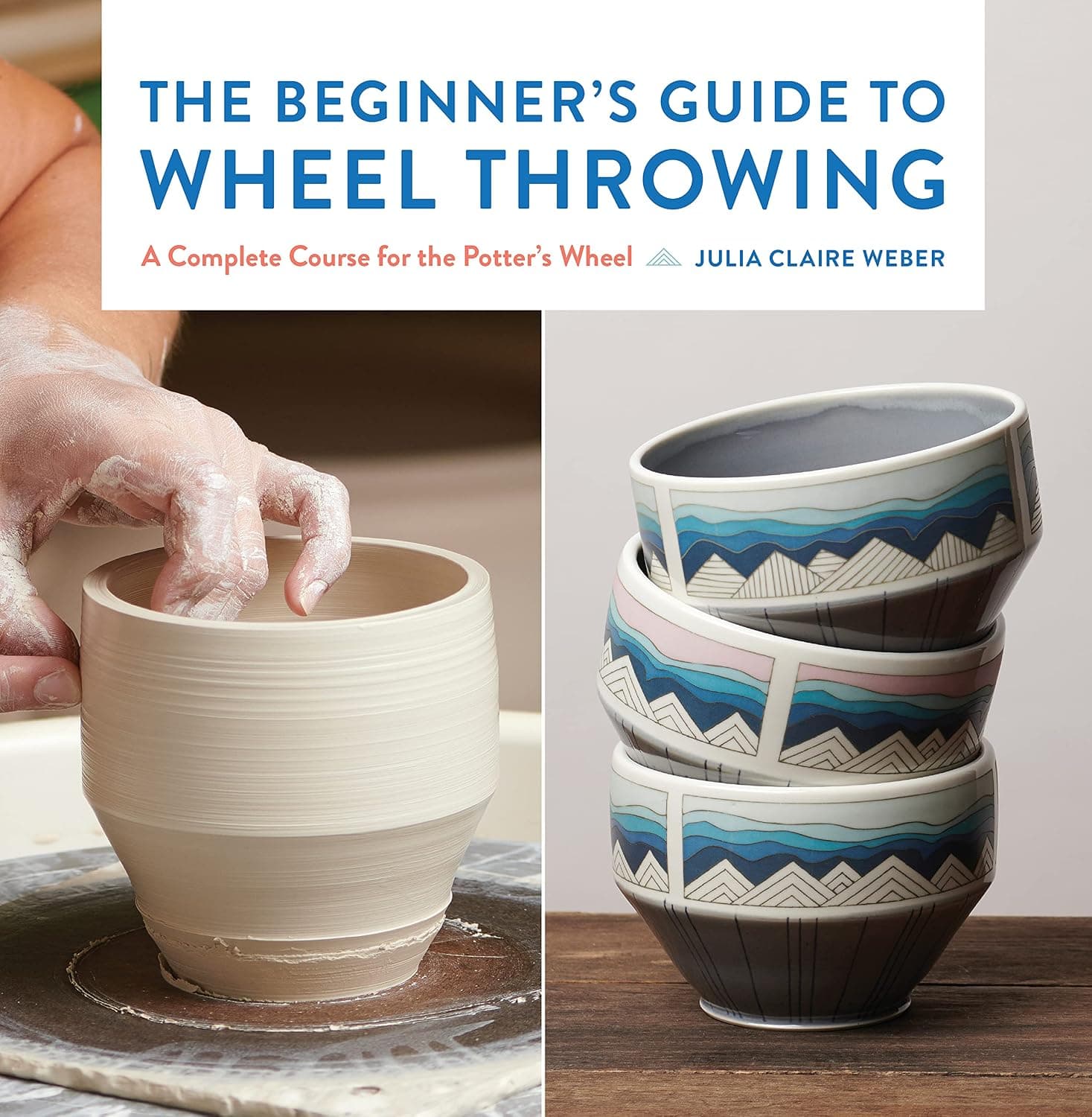
+ Structured as a complete course, so beginners know what to learn next
From our guide: Best Pottery Books for Skills, Glazes, and Studio Inspiration
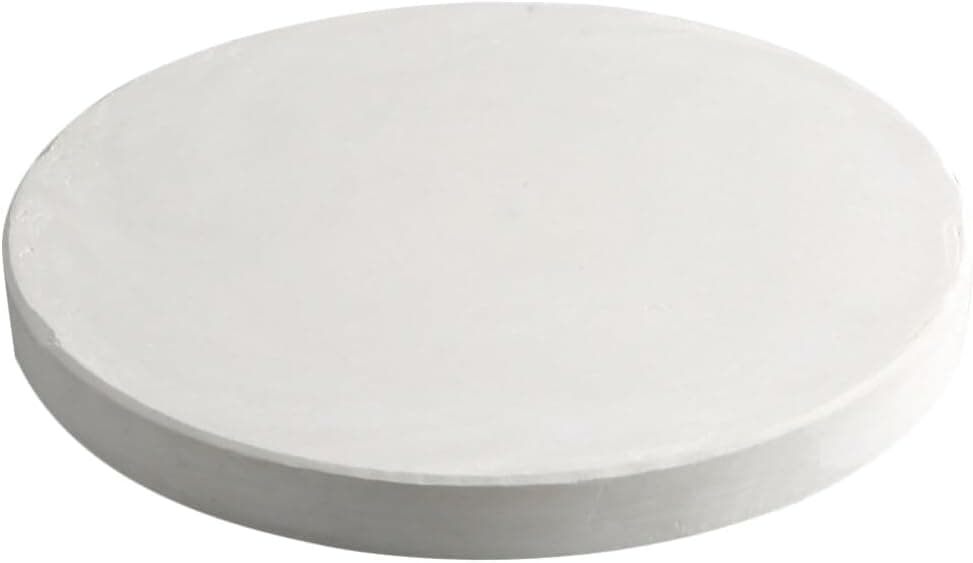
+ Plaster drying slab pulls water from reclaim or wet pieces
From our guide: Best Ware Boards for Moving and Drying Pots Safely
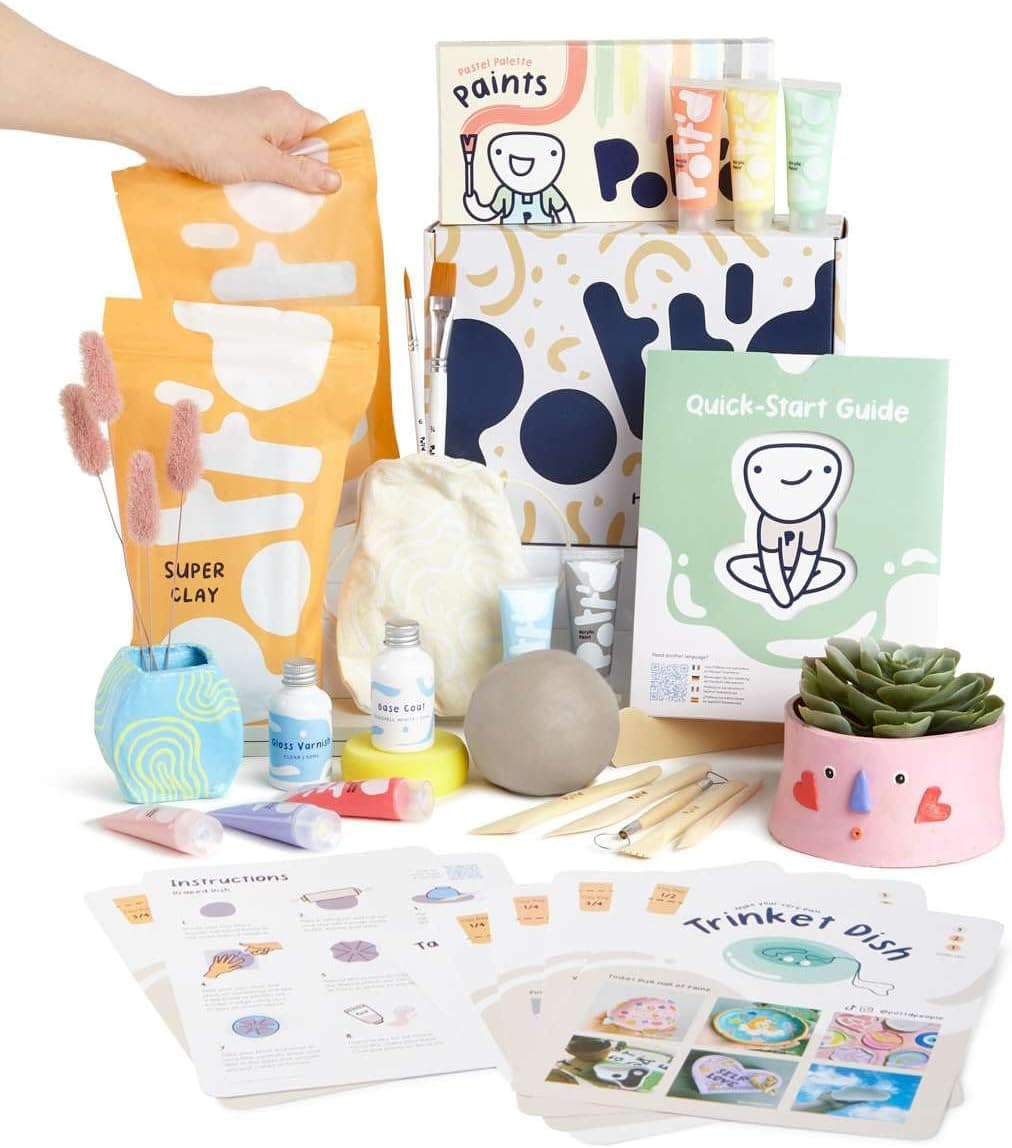
+ Sealant is included, so finished pieces get a protective coat
From our guide: Best Clay for Beginners
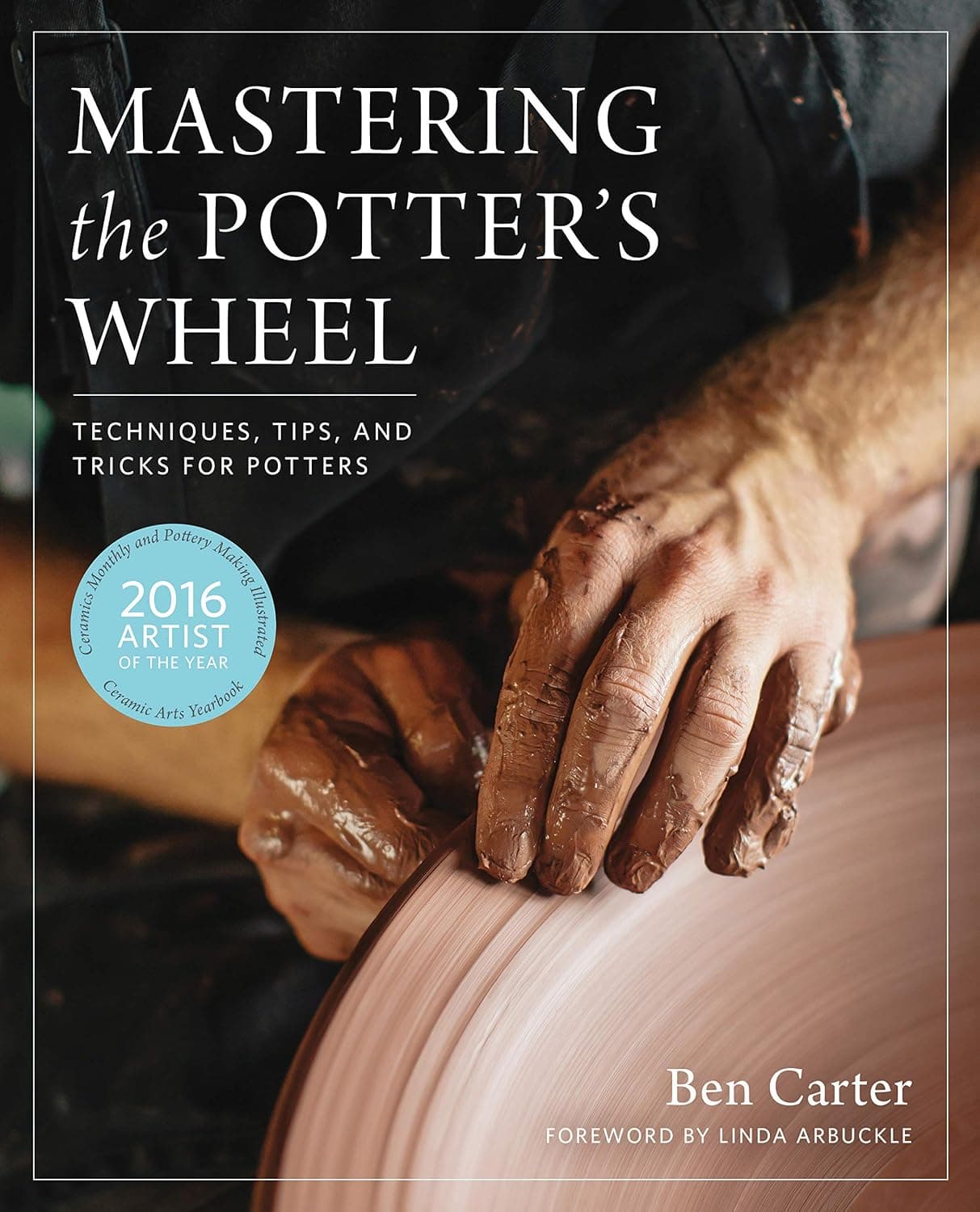
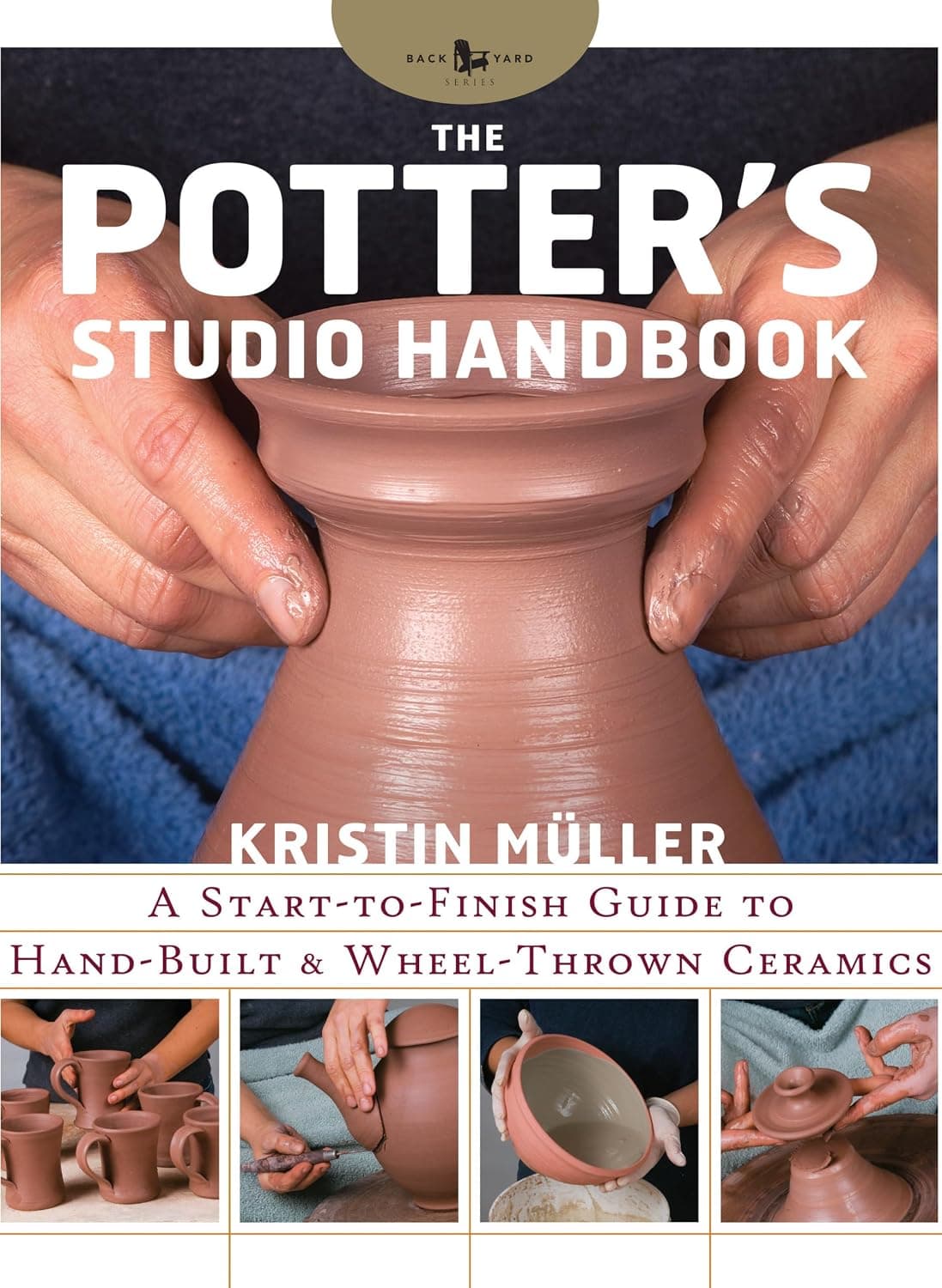
+ Covers both hand building and wheel throwing in one book
From our guide: Best Pottery Books for Skills, Glazes, and Studio Inspiration
Popular right now
- Firing Schedules ExplainedArticle
- Best Small Kilns for Test Tiles, Jewelry, and Compact StudiosBuying guide
- Underglaze TechniquesArticle
- Bisque Firing vs Glaze FiringArticle
- Fixing Common Throwing Problems on the Pottery WheelArticle
- Caring for Pottery ToolsArticle
Based on the last 28 days of search and visitor data.