Choosing Your First Pottery Wheel
Published How we research
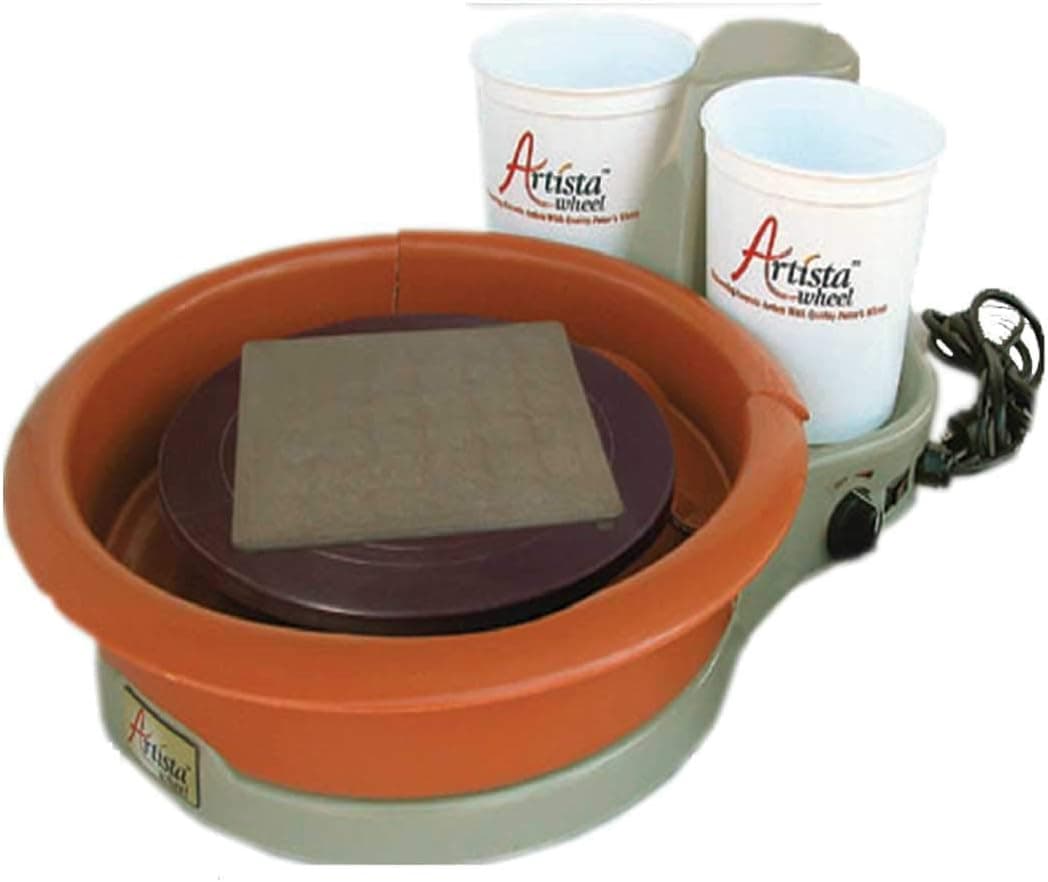
A pottery wheel is the largest single purchase most home potters make, and the market splits into two camps: compact tabletop wheels under a few hundred dollars and full-size wheels that cost as much as a decent laptop. The right choice depends less on your budget than on your honest answer to one question: how much clay do you want to center at once? If you plan to throw mugs, bowls, and small planters, almost any wheel with a stable frame will serve you. If you dream of large serving bowls and tall vases, underpowered motors will stall mid-pull and teach you bad habits.
Motor strength is the spec that matters most, and it is usually expressed in horsepower. A quarter horsepower handles up to about two kilograms of clay comfortably, which covers the majority of functional ware. Half horsepower and above gives you headroom for larger work and, just as importantly, keeps the wheel spinning at a constant speed when you press hard during centering. Cheap wheels often quote impressive top speeds but slow down visibly under hand pressure, which makes centering harder than it needs to be for a beginner.
Wheel head diameter deserves more attention than it gets. A 25 centimeter head is fine for small work, while 30 to 35 centimeters gives you room for wider bats and larger forms. Check that the head has bat pins or that the manufacturer sells a bat system for it, because throwing directly on the wheel head means wiring off every wet piece, and wide or flat forms rarely survive that move. Bats are not an accessory; for plates and shallow bowls they are essential.
Consider the physical realities of your space. Full-size wheels weigh 40 kilograms or more and do not move once placed, while tabletop models can be stored in a closet. Noise matters if you share walls: belt-driven wheels hum louder than direct-drive models, and the difference is noticeable in an apartment at night. A reversible motor sounds like a luxury but matters if you are left-handed or ever want to try Japanese-style throwing, which spins the opposite direction. Buying a wheel without reverse locks you out of that permanently.
The used market is genuinely good for pottery wheels because the major brands build machines that run for decades. A twenty-year-old wheel from a reputable maker with a working motor is a better purchase than a new no-name import at the same price. When inspecting a used wheel, run it at low speed and listen for grinding, check the wheel head for wobble by resting a finger against its edge, and test the pedal through its full range. Pedal problems are the most common fault and also the most fixable.
Whatever you buy, budget for the things that do not come in the box: a set of bats, a stool at the correct height, and a splash pan if the model lacks one. Sitting too high or too low causes the back pain that people wrongly blame on throwing itself. Your elbows should brace comfortably against your thighs or the pan while centering. A cheap wheel at the right height will teach you more than an expensive wheel that makes you hunch.
Products from this article
The highest-scoring picks from the buying guides mentioned above. Scores are our editorial assessment, not customer ratings.
+ Speedball is a long-established pottery brand, so parts and support are easier to find
From our guide: Best Pottery Wheels
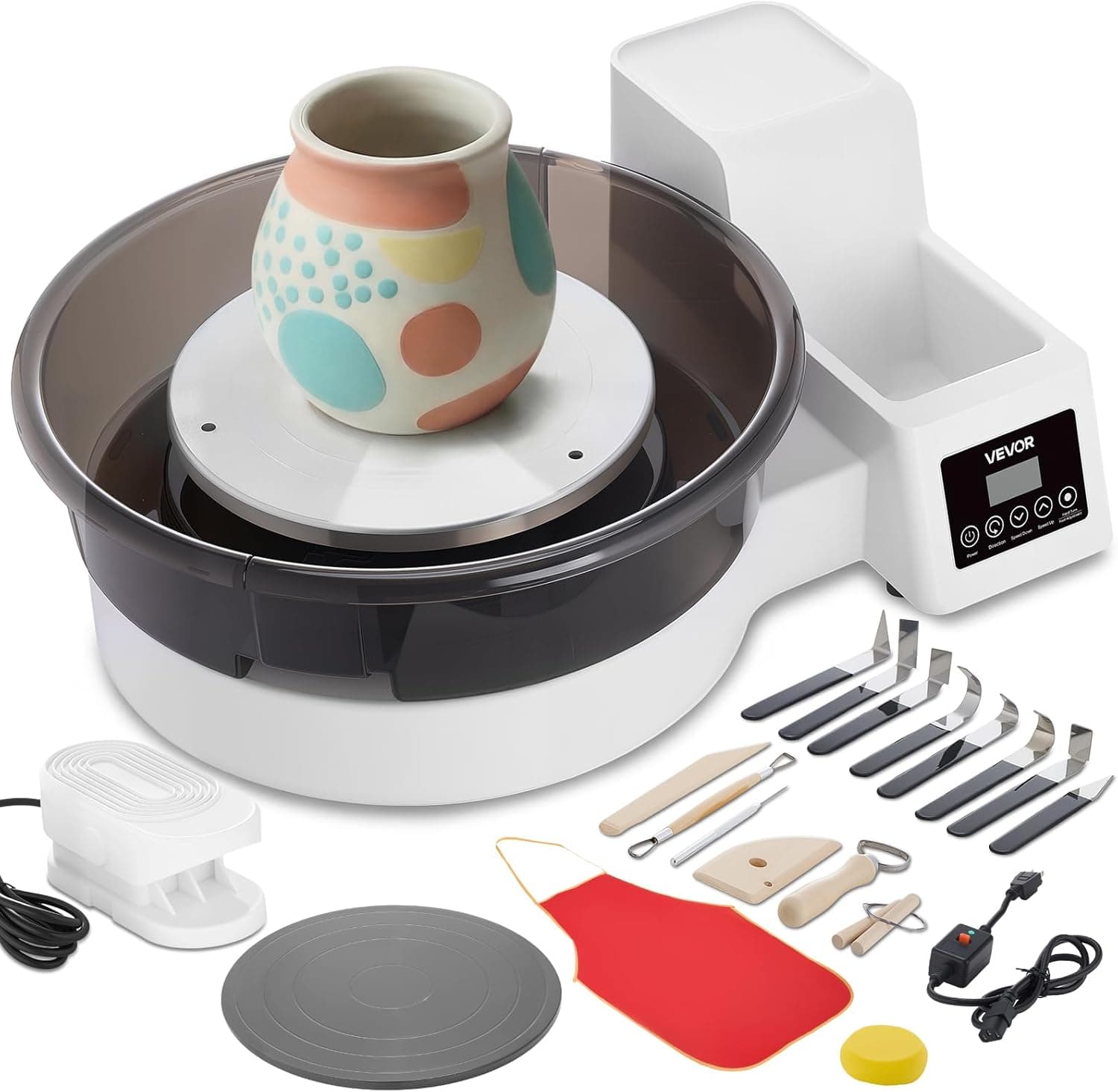
+ Two turntables, 14" and 11", let you switch between wide platters and mugs
From our guide: Best Tabletop Pottery Wheels
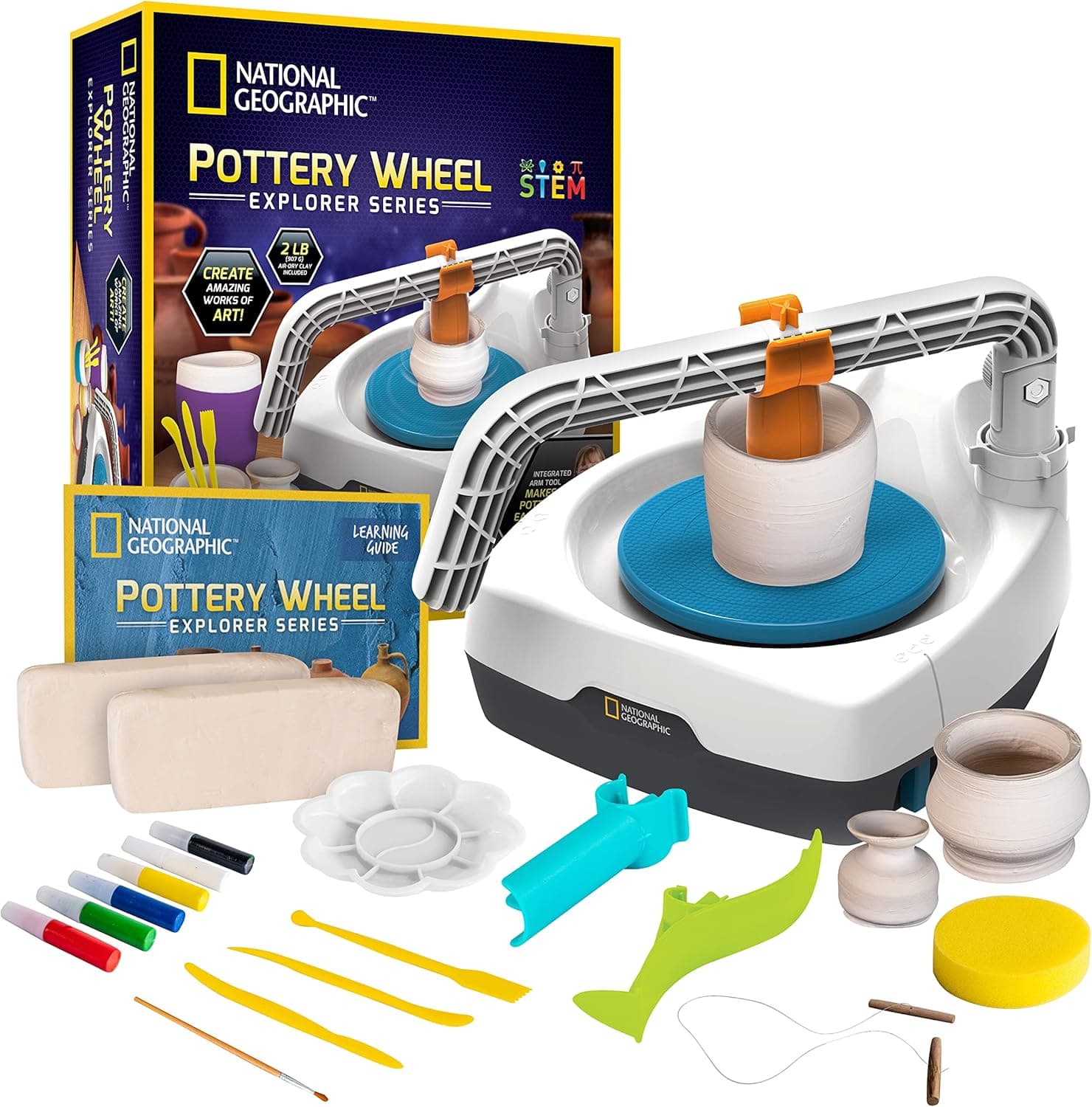
+ Plug-in motor avoids the weak spin and battery swaps of cheaper kids wheels
From our guide: Best Pottery Wheels for Beginners
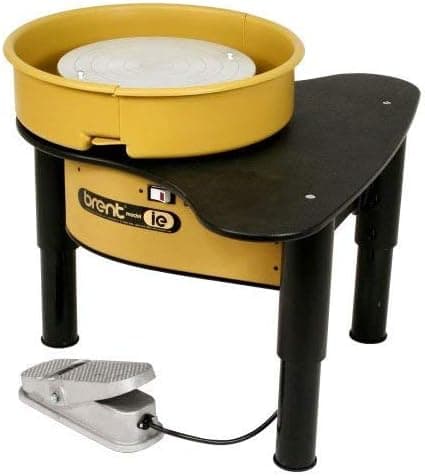
+ Brent wheels have a strong reputation in schools and pro studios for lasting decades
From our guide: Best Pottery Wheels
Popular right now
- Firing Schedules ExplainedArticle
- Best Small Kilns for Test Tiles, Jewelry, and Compact StudiosBuying guide
- Underglaze TechniquesArticle
- Bisque Firing vs Glaze FiringArticle
- Fixing Common Throwing Problems on the Pottery WheelArticle
- Caring for Pottery ToolsArticle
Based on the last 28 days of search and visitor data.