Food Safe Glazes
Published How we research
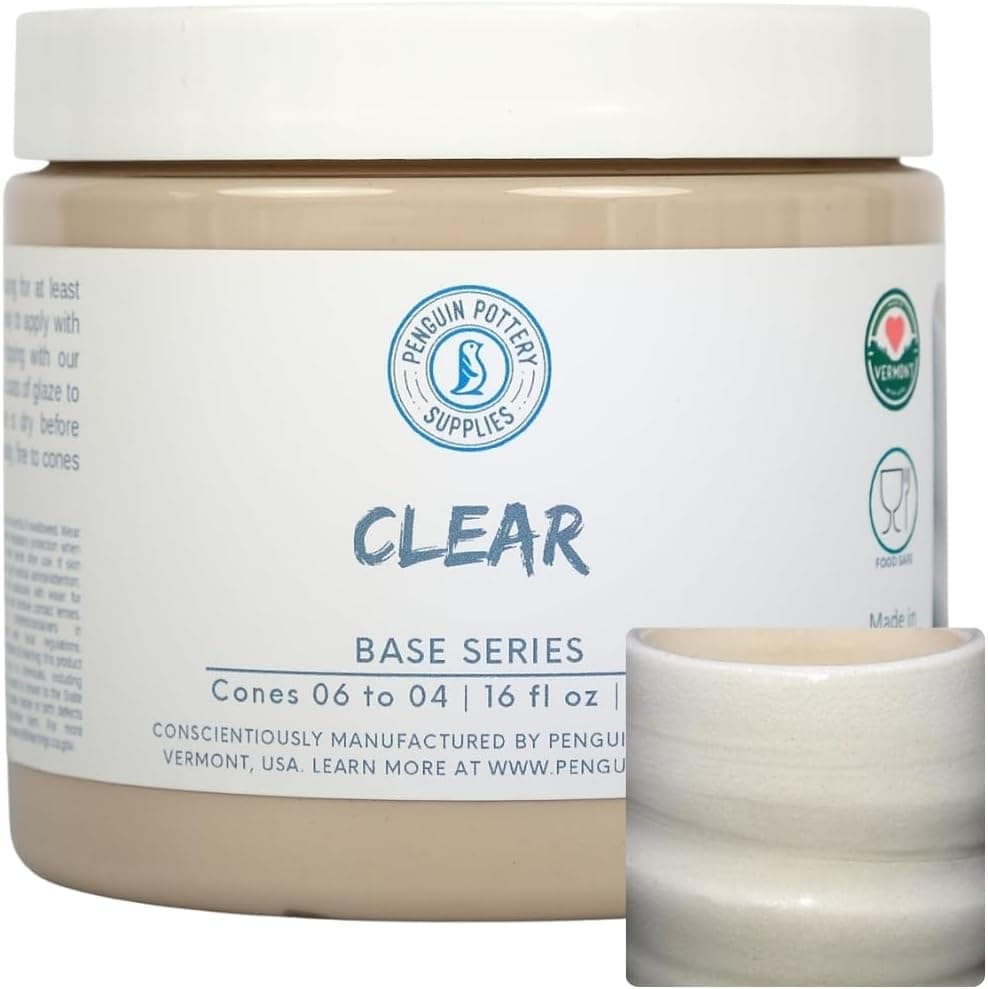
Food safe means a glaze passed leach testing for lead and cadmium when fired exactly as directed; underfire that same glaze and all bets are off. The reliable path for home potters is to buy commercial glazes marked food safe and fire them to their stated cone. For food surfaces, aim for smooth, fully melted glossy or satin glazes with no crazing, crawling, or pinholes, keep wild matte and crystalline finishes to the outside of pots, and run the overnight lemon test on new combinations. Food safe is the most misunderstood phrase in hobby ceramics, partly because it sits at the intersection of chemistry, liability, and marketing. A glaze on a mug lives in contact with hot coffee, acidic juice, dishwasher detergent, and knife edges for years. Whether it remains stable under that assault depends on the glaze chemistry, the firing it received, and the fit between glaze and clay. The label on the jar is the beginning of the answer, not the end of it.
What the terms actually mean
Start with what the terms mean. A glaze labeled food safe by a manufacturer has passed leach testing for regulated metals, chiefly lead and cadmium, when fired as directed. A glaze labeled non-toxic means the raw material is not poisonous to handle, which says nothing about its fired stability; a non-toxic glaze can still be a poor food surface. The critical qualifier is fired as directed: a food safe cone 6 glaze underfired to cone 06 never developed its stable glass structure, and all bets are off. Buying commercial glazes marked food safe and firing them to their stated cone is the reliable path for home potters, and it covers the overwhelming majority of hobby work.
Leaching: the mechanism behind the rules
Leaching is the mechanism behind the rules. A properly melted glaze locks its ingredients into a durable glass matrix. A poorly formulated or underfired glaze holds them loosely, and acidic foods slowly pull metals out. Colorants are the usual concern in homemade and unknown glazes: copper, barium, lithium, and heavy metal stains need correct chemistry to stay locked in. There are also simple kitchen-level warning signs of an unstable surface: a glaze that visibly changes color where lemon juice sat overnight, or that develops matte patches from the dishwasher, is leaching, and pieces wearing it should retire to decorative duty.
Surface quality matters independently of chemistry
Surface quality matters independently of chemistry. Crazing, the fine crack network from imperfect glaze fit, is not itself toxic, but the cracks harbor moisture and food residue, and a crazed surface is weaker and can sometimes weep with porous clay bodies. For surfaces that touch food, aim for smooth, glossy or satin, fully melted glazes without crazing, crawling, or pinholes. Heavily textured, dry matte, and crystalline surfaces belong on the outside of pots, where they can be as wild as you like. This inside-outside split is the everyday craft solution: a stable liner glaze inside, anything you want outside, with the decorative glaze stopping short of the rim where lips touch.
Unfired decoration follows the same logic
Unfired decoration follows the same logic. Underglazes sealed beneath a food safe clear glaze are fine; bare underglaze, overglaze details, lusters, and painted-after-firing accents like acrylics or epoxy belong outside the food surface. Raku ware, with its porous body and crackled, smoke-infused surfaces, is decorative regardless of the glaze used, and the same applies to pit-fired and obvara work. When someone asks whether such a piece can be a mug, the honest answer is that it is a beautiful object for holding pens.
Habits if you sell or gift functional work
If you sell or gift functional work, adopt habits that stand behind it. Use commercial glazes rated food safe at your firing cone, or tested recipes from reputable sources, and fire with witness cones so you know the ware actually reached temperature. Run the home lemon test on new combinations: leave a lemon slice or vinegar on the fired glaze overnight and inspect for color or sheen change. For anything produced in volume, a certified lab leach test costs modestly and settles the question properly. None of this is fearmongering; it is the same due diligence any kitchenware maker owes, scaled to a home studio. Stable glazes are entirely achievable, and knowing yours are stable is part of the satisfaction of handing someone a mug you made.
Frequently asked questions
What does food safe mean for a pottery glaze? That the glaze passed leach testing for regulated metals (chiefly lead and cadmium) when fired as directed. A food safe cone 6 glaze underfired to cone 06 never developed its stable glass and is no longer safe.
Is crazing on a mug dangerous? The fine cracks are not themselves toxic, but they harbour moisture and food residue, weaken the surface, and can weep with porous clay. Aim for uncrazed glazes on food surfaces.
Can I use any glaze on the outside of a mug? Yes. Use a stable liner glaze inside and stopping short of the rim, and put textured, matte, or crystalline decorative glazes anywhere on the outside.
How do I test if my glaze is food safe at home? Leave a lemon slice or vinegar on the fired glaze overnight and check for colour or sheen change, which indicates leaching. For volume work, a certified lab leach test settles it properly.
Products from this article
The highest-scoring picks from the buying guides mentioned above. Scores are our editorial assessment, not customer ratings.
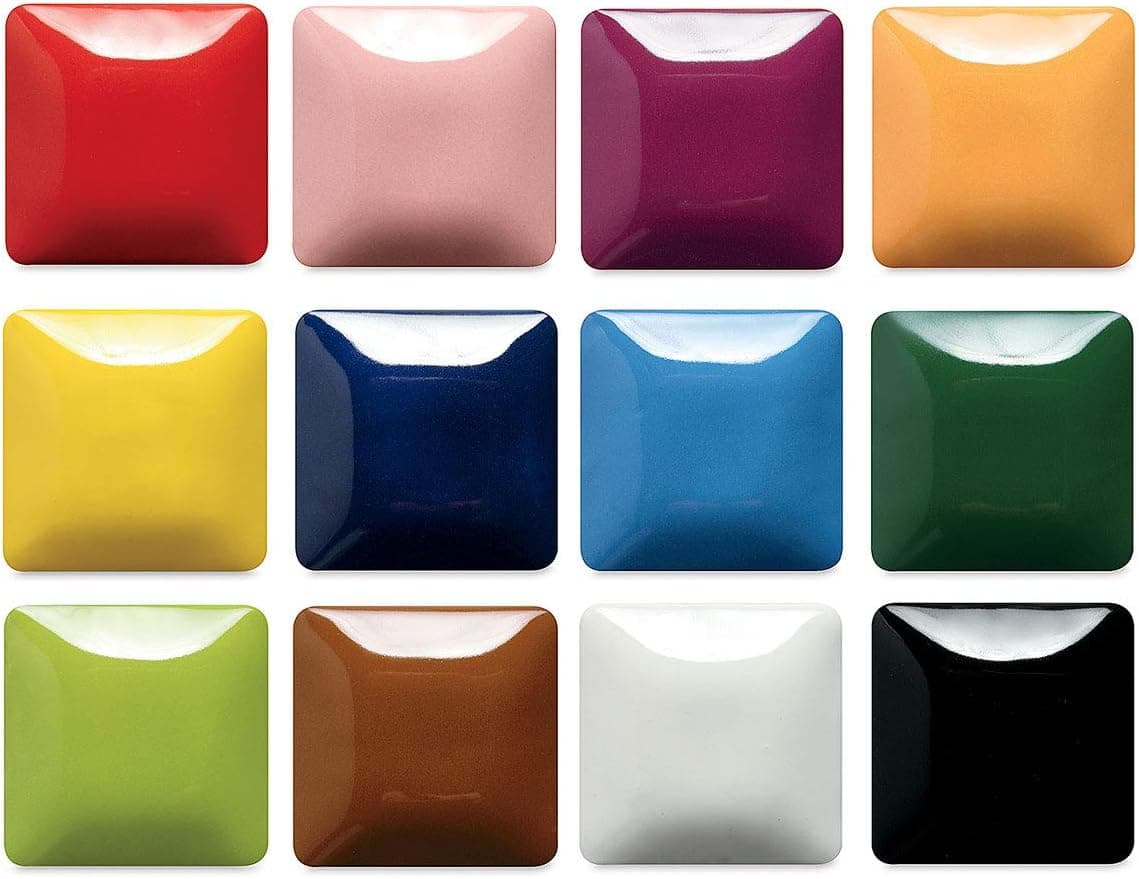
+ 12 colors give a full palette for painting pottery designs
From our guide: Best Pottery Glazes: Reliable Cone 5-6 and Low Fire Favorites
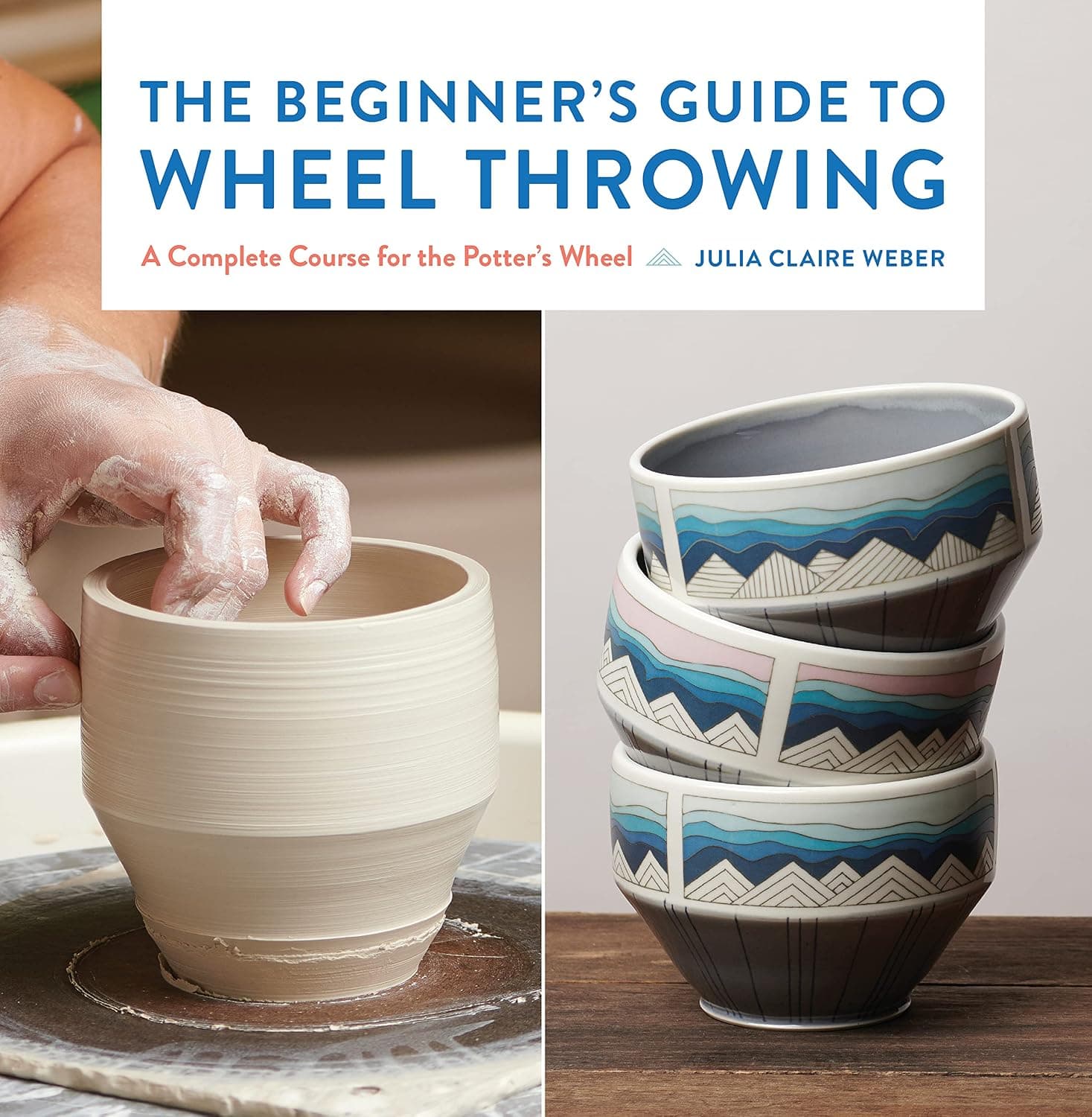
+ Structured as a complete course, so beginners know what to learn next
From our guide: Best Pottery Books for Skills, Glazes, and Studio Inspiration
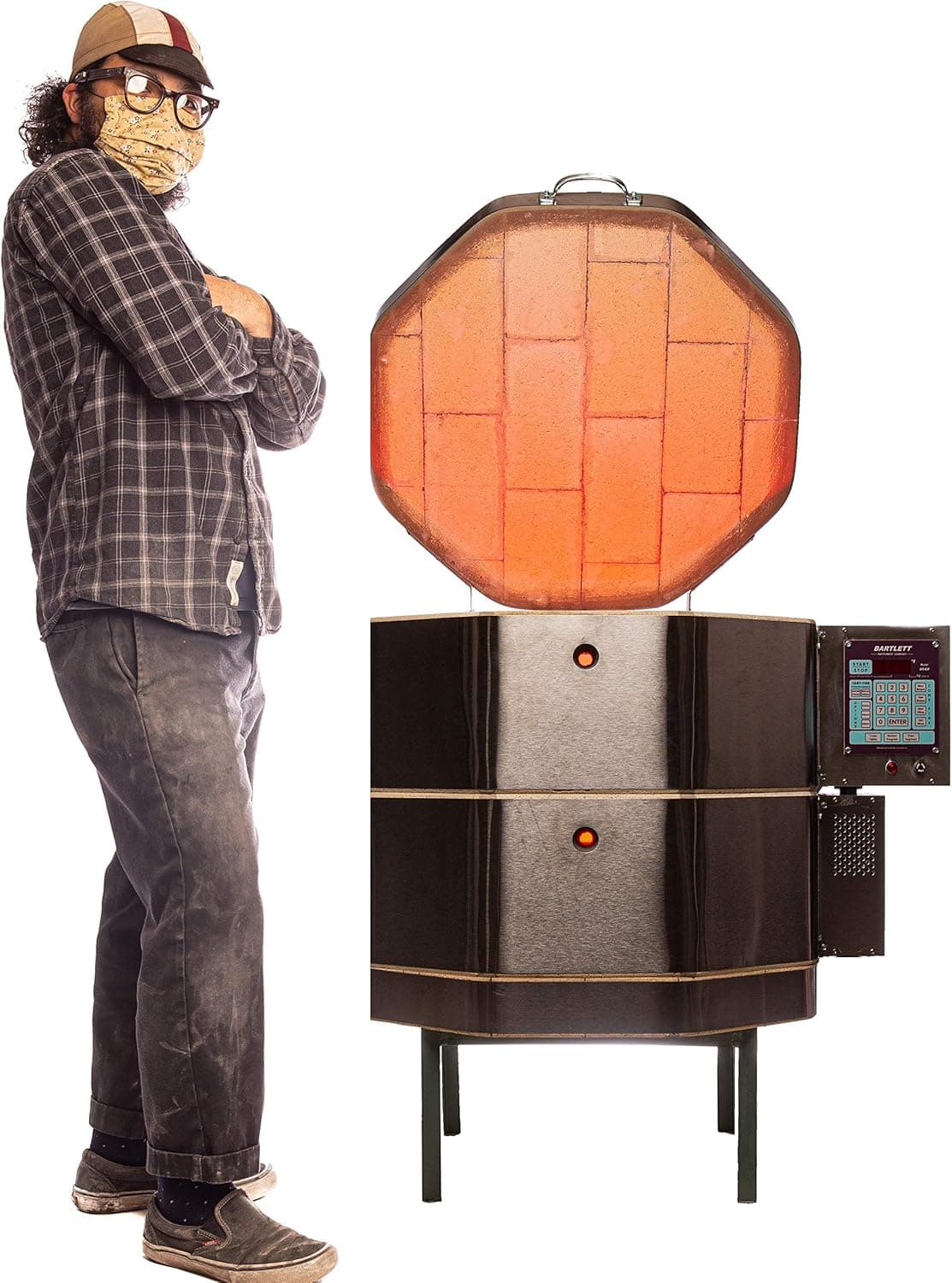
+ Cone 10 rating covers low, mid and high fire work
From our guide: Best Home Pottery Kilns for Firing Clay Where You Live
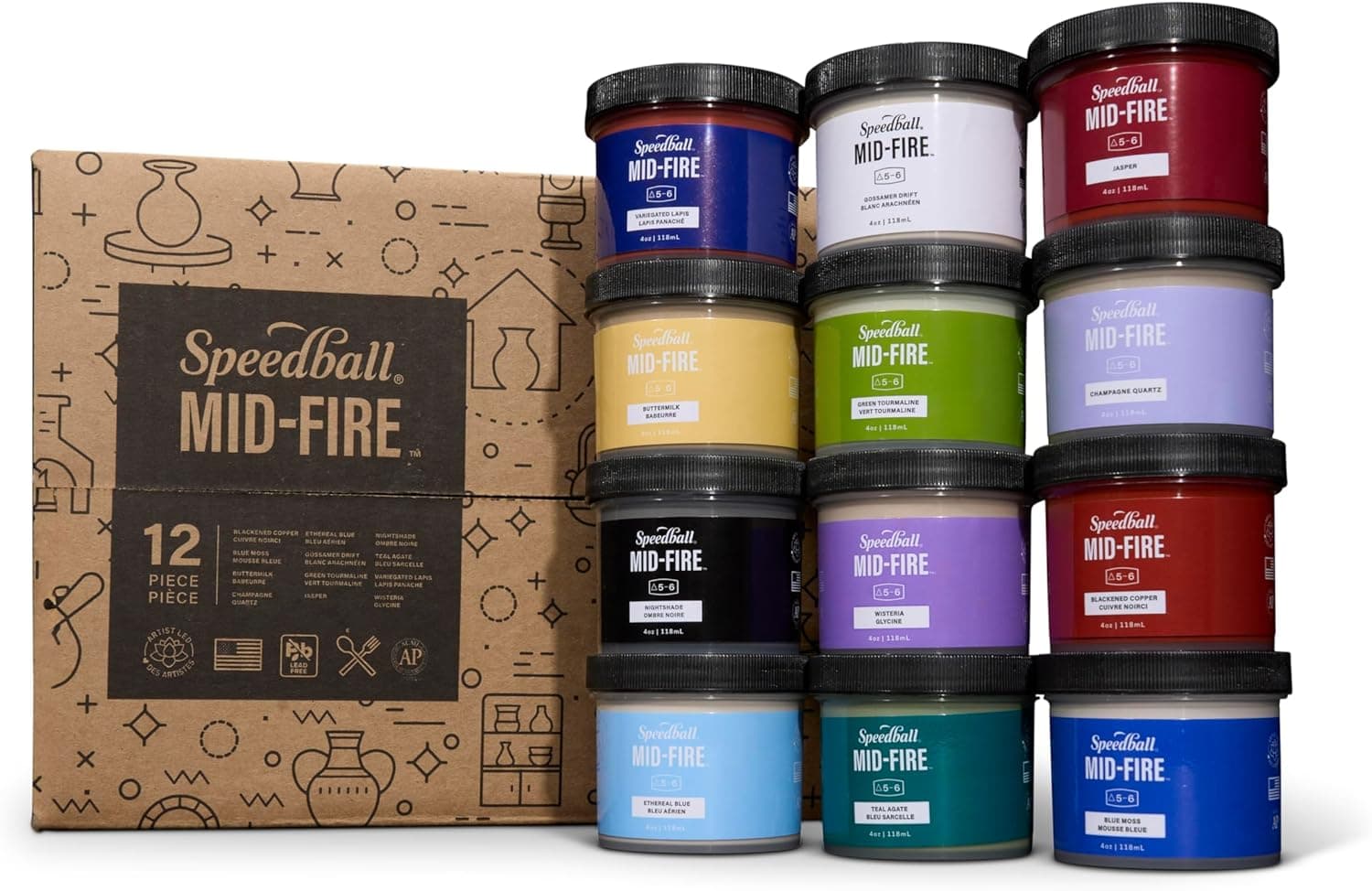
+ 12 Jars let you test many mid-fire colors before buying pints
From our guide: Best Pottery Glazes: Reliable Cone 5-6 and Low Fire Favorites
Popular right now
- Firing Schedules ExplainedArticle
- Best Small Kilns for Test Tiles, Jewelry, and Compact StudiosBuying guide
- Underglaze TechniquesArticle
- Bisque Firing vs Glaze FiringArticle
- Fixing Common Throwing Problems on the Pottery WheelArticle
- Caring for Pottery ToolsArticle
Based on the last 28 days of search and visitor data.