What Is Majolica Pottery? A Guide to Tin-Glazed Ware
Published How we research
A plate covered with bold fruit, flowers or geometric patterns on a creamy white background is often a piece of majolica. The name gets used loosely, which makes it confusing, and it can refer to a historic tin-glazed tradition or to later colorful lead-glazed wares. This guide explains the term in plain language, how majolica is traditionally made, what makes the surface look the way it does, and how a home potter can get a similar painted look with modern materials.
Products from this article
The highest-scoring picks from the buying guides this article links to. Scores are our editorial assessment, not customer ratings.
As an Amazon Associate we earn from qualifying purchases. This does not change our picks. Affiliate disclosure
New to Prime? Try Prime free for fast, free shipping on eligible items.
+ Velvet underglazes are a studio standard for reliable, even color
From our guide: Best Underglazes: Vivid, Stable Color for Every Firing Range
+ Wool hake brushes hold heavy glaze loads for even coats
From our guide: Best Glaze Brushes: Soft, High-Capacity Brushes for Even Coats
+ Terra Cotta 77 is a well-known school clay with consistent results
From our guide: Best Terracotta Clay
+ Cone 04 to Cone 6 rating works for both low and mid fire potters
From our guide: Best Underglazes: Vivid, Stable Color for Every Firing Range
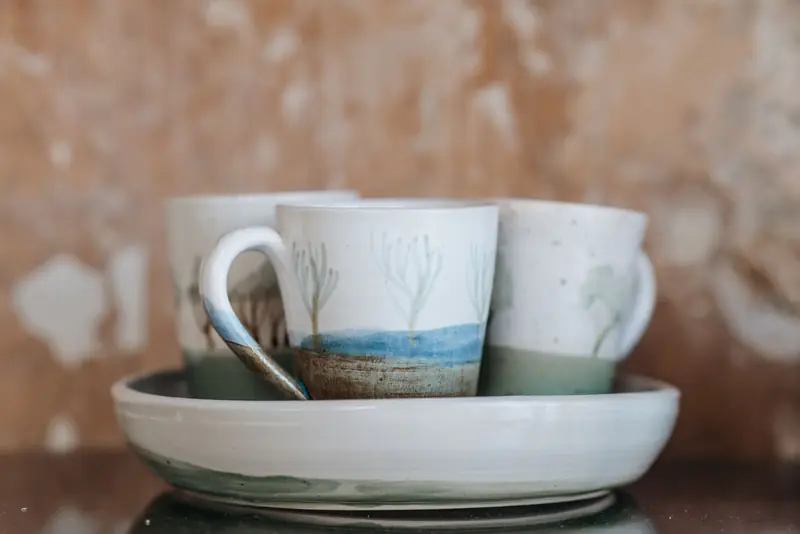
A short definition
In pottery, majolica (also spelled maiolica) most often refers to earthenware coated with an opaque white glaze and then painted with colored decoration. The white surface comes from tin oxide in the glaze, which makes it opaque and bright, so the painting stands out like color on paper.
Because the term is used in more than one way, you may see it applied to other colorful, relief-molded wares too. The painted tin-glazed version is the classic meaning, and it is the one most potters have in mind when they use the word.
Where the tradition comes from
Tin-glazed earthenware has a long history that is commonly traced through the Islamic world to Spain and Italy, with related traditions in other parts of Europe, such as Dutch Delft. Regional styles developed with their own colors and motifs. Details of dates and names vary by source, so check museum or reference sources if you need specifics.
What these traditions share is the technique: an absorbent clay body, an opaque white coating, and painted designs applied to the raw glaze surface. That approach shaped the look of decorative tiles, plates and jugs for centuries.
How it is traditionally made
The potter shapes the clay, dries it and bisque fires it. The piece is then dipped in a tin-based white glaze that dries to a chalky, powdery surface. Decoration is painted directly on that dry glaze with colored oxides or stains, using brushes.
The piece is then fired again, and the glaze melts, drawing the painted colors into the surface. Because the paint is on a powdery surface, mistakes are difficult to correct, so painters tend to work with confident strokes. The result is a soft, slightly blended look that is a hallmark of the style.
What gives it that look
The opaque white background hides the color of the clay beneath, which is why majolica can be made on earthenware that would otherwise be red or buff. The bright, rich colors come from metal-based colorants that are chosen for how they behave in the firing.
Many majolica designs use fruit, flowers, animals and borders, often in blue, yellow, green and orange. The painted lines are slightly soft where the colors sink into the glaze, giving majolica its distinctive hand-painted charm.
Trying the look at home
You do not need a traditional workshop to get something similar. A common approach is to use a white or light-colored glaze or slip as a background and paint on top with underglazes or glaze stains, then fire according to the product instructions. Look for products intended for the same firing range as your clay.
Practice on test tiles first so you can see how colors change in the kiln. Check the labels of any decorating materials, since not all colors are meant for tableware, and keep decorative pieces separate from food use unless the maker says otherwise.
Tools that help with painted decoration
Fine brushes with good points make clean lines, and a steady hand is helped by resting your wrist on the table. Underglaze pencils and transfer sheets are other routes to patterned surfaces if freehand painting feels daunting.
A turntable or banding wheel makes it easy to paint borders around plates and bowls. Take your time with borders: a simple band of color can make a piece look finished even if the central design is simple.
Safety notes
Historic glazes sometimes contained materials that are hazardous, including lead in certain traditions. Modern commercial glazes are formulated for safer use, but you should still read the manufacturer's instructions and safety data, avoid breathing dust, and wash hands after handling materials.
Wear a dust mask when working with dry powders and keep studio tools away from food preparation. If you buy antique majolica, treat it as a decorative collectible rather than something to eat from, since older glazes were not made to current food safety standards.
How majolica differs from other pottery
Compared with porcelain or stoneware, majolica is typically made on earthenware, which fires at lower temperatures and stays more porous and softer. The opaque white coating hides the clay and seals the surface, but earthenware ware chips more easily than hard, high-fired ceramics.
Compared with a plain glazed pot, the defining feature is painted decoration on top of an opaque white glaze, rather than under a clear glaze. That is why majolica has a soft, painterly quality and why the colors can look so vivid on the white ground.
Caring for majolica pieces
Handle decorative pieces gently, since low-fired earthenware can chip along rims and edges. Wash by hand with mild soap and avoid sudden temperature changes, which can stress the glaze. Avoid soaking porous pieces for long periods.
If you collect older pieces, treat them as display items. Check a reputable source about the age and origin of a piece before using it with food, as glaze materials in past centuries did not follow modern safety standards. Newer pieces from reputable makers usually come with care and use notes.
Why the style still appeals
Painted tin-glazed ware has a warm, handmade look that suits kitchens, entryways and gift pieces. Each plate carries small variations in brushwork, and that irregularity is part of the charm rather than a flaw. Many modern studio potters borrow the idea for their own work with a contemporary color palette.
If you want to learn more, museum collections and library books on ceramics history show regional styles side by side, which can inspire your own patterns. Starting with a single simple motif, repeated around a rim, is an approachable way to practice the painting style.
Popular right now
- Underglaze TechniquesArticle
- Best Underglaze Pencils: Draw Fine Ceramic Detail on BisqueBuying guide
- Best Clay Storage Containers to Keep Clay Workable for MonthsBuying guide
- Why Glaze Crazes and How to Prevent ItArticle
- Recycling ClayArticle
- Best Ware Boards for Moving and Drying Pots SafelyBuying guide
Based on the last 28 days of search and visitor data.