Best Ceramic Stains: Mason Stains and Colorants for Custom Hues
Updated How we research
Ceramic stains are the raw pigments of the pottery world. Mix them into slip, clay body, glaze, or a wash and you get custom color that commercial jars simply do not offer, from colored porcelain for nerikomi to precisely tuned glaze palettes. Stains differ in strength, firing stability, and price, and a few colors, especially reds and purples, need the right host glaze chemistry to develop at all. Knowing typical mixing percentages saves both money and disappointing test tiles. This guide covers the ceramic stains worth stocking, with recommended starting ratios for slips and glazes, notes on which colors stay stable to cone 6 and beyond, and advice on assembling a versatile core palette.
The short version
We compared 8 picks. Our scores range from 7.0 to 8.6 out of 10.
- Best overall:Pasler Ceramic Stains, 60g Each Color, Pigment Powder for Making Underglaze, Pottery Glaze, Ceramic Glaze or Mixing with Slip/Clay (12 Color). Highest overall score in this guide at 8.6/10.
- Also great value:Cobalt Blue - Pottery Pigment Stain Colors Made in Germany, Earthenware Stoneware Porcelain - 007 (25 g). Value score of 8/10, overall 7.8/10.
- Solid build:Mason Stain Kit for Pottery. Build and materials score of 9/10, overall 7.5/10.
- Feature-rich:Ceramic Stain Powder - 1/2 LB (Tan) - Ceramic Supply USA - Vibrant Color Pigment for Fired Pottery Glazes, Clays, Slips & Engobes. Features score of 8/10, overall 7.6/10.
Scores are our editorial assessment, not customer ratings. How we score
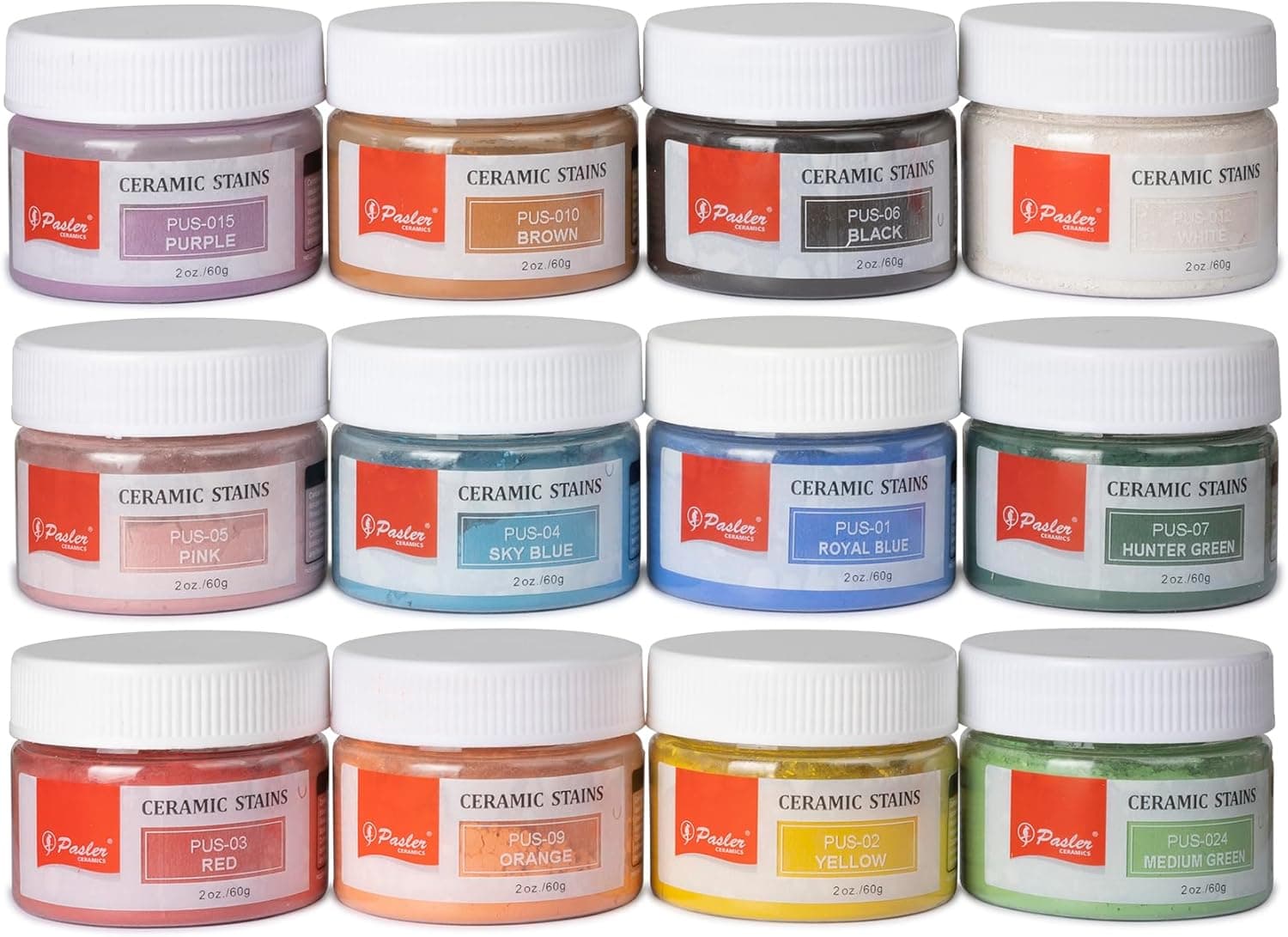
Pasler Ceramic Stains, 60g Each Color, Pigment Powder for Making Underglaze, Pottery Glaze, Ceramic Glaze or Mixing with Slip/Clay (12 Color)
Pasler's ceramic stains, 12 Color set at 60g each, pigment powder for underglaze, glaze or mixing into slip and clay.
Our score8.6/10Budget
Cobalt Blue - Pottery Pigment Stain Colors Made in Germany, Earthenware Stoneware Porcelain - 007 (25 g)
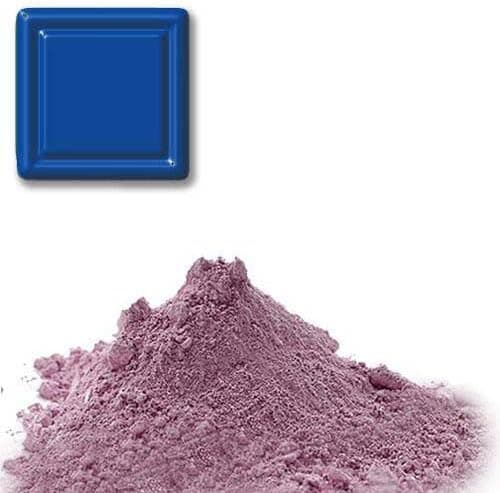
Cobalt Blue 007 pottery pigment stain made in Germany, 25 g, for earthenware, stoneware and porcelain.
Our score7.8/10Budget
 #1
#1Pasler's ceramic stains, 12 Color set at 60g each, pigment powder for underglaze, glaze or mixing into slip and clay.
Fit for the job 9/10 · Features and specs 9/10 · Build and materials 7/10 · Value 9/10
- + 60g of each color is enough for real batches, not just tests
- + 12 Color set covers a broad palette for custom glazes
- + Versatile for underglaze, glaze and colored clay work
- - Requires a scale and mixing skills to use well
- - Test fire each color on a sample tile before full use
 #2
#2Cobalt Blue 007 pottery pigment stain made in Germany, 25 g, for earthenware, stoneware and porcelain.
Fit for the job 8/10 · Features and specs 7/10 · Build and materials 8/10 · Value 8/10
- + Stable cobalt blue stain gives predictable color in many bases
- + 25 g pack is more than the smallest stain pouches
- + Made in Germany for reliable pigment quality
- - Blue can bleed into surrounding glaze if applied thickly
- - Stain needs testing in your chosen glaze base
 #3
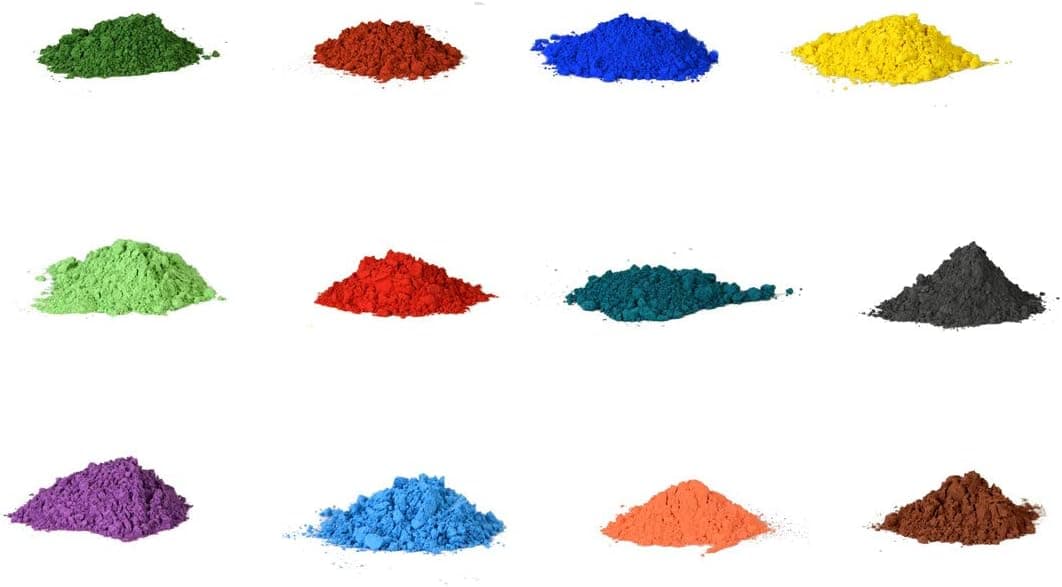
#3Ceramic Supply USA's tan ceramic stain powder, 1/2 LB, for coloring fired glazes, clays, slips and engobes.
Fit for the job 7/10 · Features and specs 8/10 · Build and materials 8/10 · Value 8/10
- + 1/2 LB quantity is generous for tinting big batches
- + Tan is a subtle, natural color for clay and slip bodies
- + Works across glazes, clays, slips and engobes
- - Tan is a narrow choice if you want varied colors
- - Powder needs a dust mask during weighing and mixing
 #4
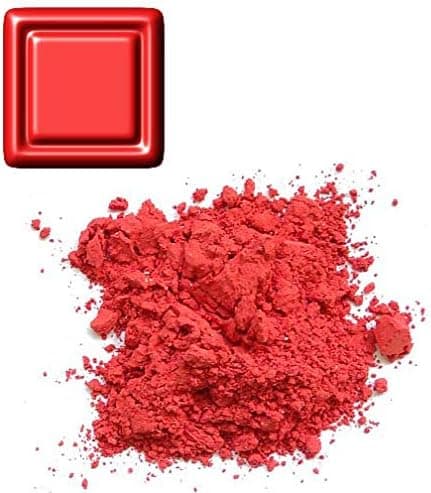
#4Crimson Red 222 pottery pigment stain made in Germany, 20 g, for earthenware, stoneware and porcelain.
Fit for the job 8/10 · Features and specs 7/10 · Build and materials 8/10 · Value 7/10
- + Reds are hard to achieve, and a made-for-ceramics stain helps
- + Made in Germany with consistent pigment quality
- + Usable across earthenware, stoneware and porcelain
- - Red stains can burn out if the glaze base is not compatible
- - 20 g is enough only for small test batches
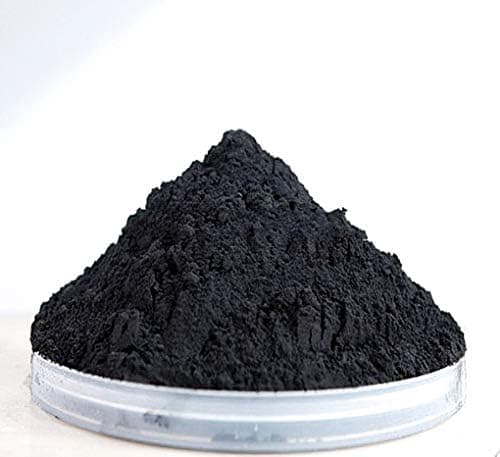 #5
#5Cobalt (II,III) oxide pottery pigment made in Germany, 10 g, a strong colorant for classic blues.
Fit for the job 8/10 · Features and specs 7/10 · Build and materials 8/10 · Value 7/10
- + Cobalt oxide is very strong, so a small amount colors a lot of glaze
- + Classic source of deep blue in glazes and brushwork
- + Made in Germany with consistent purity from batch to batch
- - Toxic raw oxide needs gloves and a respirator when handling
- - 10 g is small, though it goes further than most stains
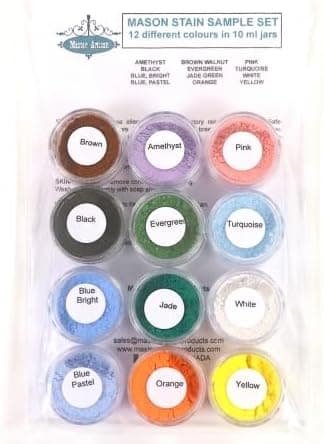 #6
#6A Mason stain kit for pottery, bundling Mason ceramic stains for coloring clay, slip and glaze.
Fit for the job 8/10 · Features and specs 6/10 · Build and materials 9/10 · Value 7/10
- + Mason stains are industry-standard colorants trusted by potters
- + Kit format lets you try several colors at once
- + Mix into clay, slip or glaze for custom colors
- - Note which colors you use most so reorders match easily
- - Stains require mixing and test firing to judge results
 #7
#7French Grey pottery pigment stain, 40 g, for making colored ceramic glazes or mixing with slip and clay.
Fit for the job 7/10 · Features and specs 7/10 · Build and materials 7/10 · Value 8/10
- + French Grey gives a calm, modern neutral for glazes and slips
- + 40 g is double the size of many small stain packs
- + Mixes into slip or clay bodies for colored clay work
- - Grey can shift warmer or cooler depending on the base glaze
- - Note the batch number so reorders match the same shade
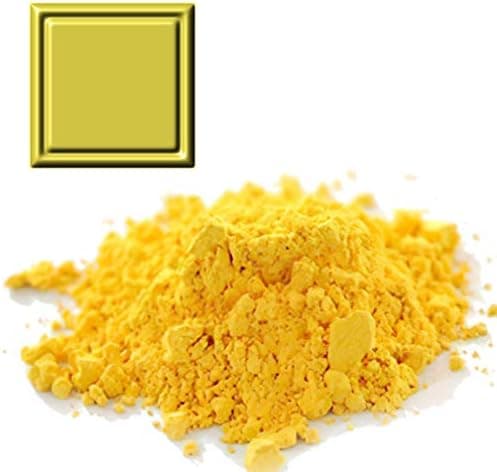 #8
#8Straw Yellow S11 pigment stain, 20 g, for ceramic earthenware, stoneware and porcelain color work.
Fit for the job 7/10 · Features and specs 7/10 · Build and materials 7/10 · Value 7/10
- + Straw yellow is a soft, warm tone for glazes and slips
- + Works with earthenware, stoneware and porcelain
- + 20 g pack is a low-cost way to test a new color
- - Very small quantity only suits test batches
- - Order extra grams at once if you need consistent color batches
Before you buy: trade-offs we flagged
No pick is perfect. These are the main compromises we noted for the top products in this guide, so you can check they will not matter for you.
- Requires a scale and mixing skills to use well (Pasler Ceramic Stains, 60g Each Color,...)
- Blue can bleed into surrounding glaze if applied thickly (Cobalt Blue - Pottery Pigment Stain Colors...)
- Tan is a narrow choice if you want varied colors (Ceramic Stain Powder - 1/2 LB (Tan) - Ceramic...)
- Red stains can burn out if the glaze base is not compatible (Crimson Red - 222 - Pottery Pigment Stain...)
- Toxic raw oxide needs gloves and a respirator when handling (Cobalt Oxide - Cobalt (II,III) Oxide -...)
- Note which colors you use most so reorders match easily (Mason Stain Kit for Pottery)
Frequently asked questions
›What is the best choice among ceramic stains: mason stains and colorants for custom hues?
Pasler Ceramic Stains, 60g Each Color, Pigment Powder for Making Underglaze, Pottery Glaze, Ceramic Glaze or Mixing with Slip/Clay (12 Color) is our top overall pick. Pasler's ceramic stains, 12 Color set at 60g each, pigment powder for underglaze, glaze or mixing into slip and clay. It earns our score of 8.6/10, based on fit for the job, features, build and value.
›What is a good budget option?
Cobalt Blue - Pottery Pigment Stain Colors Made in Germany, Earthenware Stoneware Porcelain - 007 (25 g) is the strongest low-cost pick in this guide. Cobalt Blue 007 pottery pigment stain made in Germany, 25 g, for earthenware, stoneware and porcelain.
›How much should I expect to spend?
Picks in this guide span $ price bands (roughly: $ = under $30, $$ = $30 to $100, $$$ = over $100). We never display exact prices because they change constantly, so the buttons above always show Amazon's current price.
›How were these products chosen?
We shortlist products that fit the job this guide solves and compare their published specifications, such as size, capacity, materials and what is included. Each pick gets an editorial score out of 10 for fit, features, build and value, and we write the pros and cons from those details. Our score is not an Amazon customer rating. We earn a commission if you buy through our links, which never affects the ranking.
Pottery Nest independently selects every product; we may earn a commission from links above.
Popular right now
- Firing Schedules ExplainedArticle
- Best Small Kilns for Test Tiles, Jewelry, and Compact StudiosBuying guide
- Underglaze TechniquesArticle
- Bisque Firing vs Glaze FiringArticle
- Fixing Common Throwing Problems on the Pottery WheelArticle
- Caring for Pottery ToolsArticle
Based on the last 28 days of search and visitor data.