Frost Porcelain WC437 - Cone 6 - Laguna Clay - 25lbs Review (2026)
Updated September 14, 2026 · Research-based review
Our verdict
Frost WC437 is Laguna Clay's cone 6 throwing porcelain built for potters chasing bright white, translucent forms. It throws smooth and fires a clean white in both oxidation and reduction, but it is a demanding clay that punishes rushed drying. The 25 pound box gives enough material for a real body of work, not just a test tile.
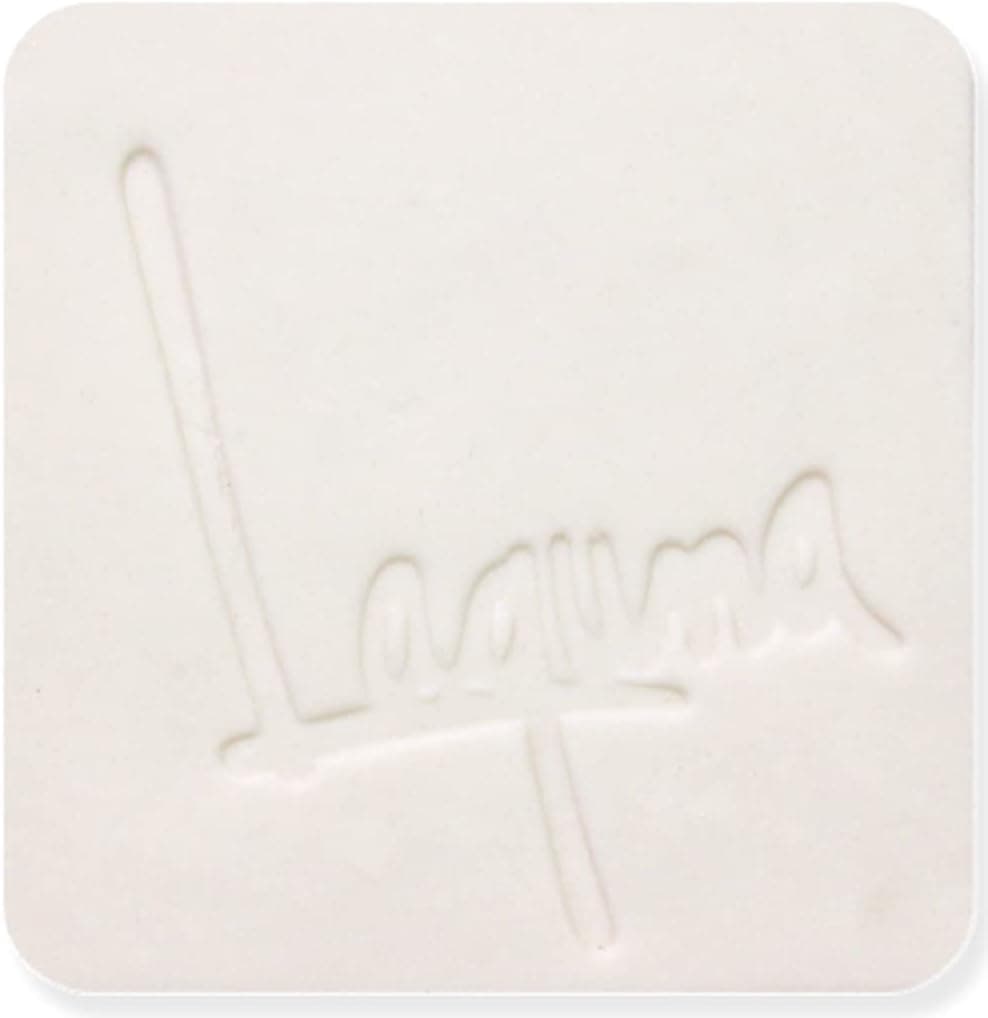
Laguna Clay's Frost Porcelain WC437, Cone 6, in a 25lbs box for translucent, pure white porcelain work.
Price range: $ (Budget)
What we liked
- + Frost is known for very white, translucent results when thrown thin
- + Laguna Clay is a major US clay maker with consistent batches
- + 25lbs box is enough for a real porcelain series, not just a test
Trade-offs
- - Frost is demanding to throw and can crack if dried unevenly
- - Premium porcelain costs noticeably more than stoneware
Who this porcelain suits
Frost WC437 is aimed at potters who already have some wheel time under them and want to move from stoneware into porcelain without switching to a specialty importer. Laguna Clay markets Frost as an exceptionally white, translucent throwing porcelain that fires clean in oxidation or reduction at cone 5 to 6, which matches most mid range electric and gas kilns already used for stoneware. Complete beginners often find porcelain frustrating because it has less tooth than stoneware and shows every fingerprint, so this is better suited to someone who has centered and pulled walls before and now wants a refined, jewelry-like white body for tableware, small sculpture, wall tile or wind chimes. The 25 pound box size sits between a single test bag and a full production order, so it fits a home studio potter who wants to commit to a small porcelain series rather than one experimental mug.
What is actually in the box
According to Laguna Clay's own listing, Frost WC437 has an average shrinkage around 11 percent and water absorption under 1 percent at cone 6, numbers that point to a dense, well vitrified body once fired correctly. The clay is described as smooth in texture with a wet color of white that stays white through firing in both oxidation and reduction kilns, which is unusual since many porcelains shift color depending on atmosphere. Laguna lists recommended uses including wall tile, wind chimes, jewelry, small and medium throwing, small and medium hand building, and tableware, so this is formulated as a general purpose white body rather than a single-application clay. The 25 pound weight in this listing is a boxed moist clay, ready to wedge straight out of the packaging without reconstituting from dry powder.
Working with Frost on the wheel and in the dry rack
Porcelain bodies like Frost are known in the ceramics community for being short and less plastic than stoneware, meaning they can feel slippery and want to slump on the wheel until a potter adjusts their centering pressure and water use. The tradeoff is a very smooth, almost silky surface once thrown thin, which is where the translucency Laguna advertises actually shows up, held up to light after a bisque and clear glaze firing. Because Frost is a fine, dense particle clay, unevenly dried pieces are more prone to cracking than a grogged stoneware would be, so wrapping handles and rims in plastic while thicker bases catch up is standard practice rather than optional. Slow, even drying under loose plastic and a slow bisque ramp are the two habits that matter most with a clay body like this.
How Frost stacks up against other porcelains
Among the porcelains it gets compared with, SIO-2's Cellulain and Aneto White paper porcelains add cellulose fiber for extra green strength during hand building, which makes them more forgiving for slab and coil work but is not really what Frost is built for since it is sold as a throwing porcelain first. SIO-2's Black Ice is a darker, more textured porcelain aimed at a different aesthetic entirely. Against a generic stoneware sold as porcelain-like, such as some Aurora Pottery cone 10 mixes, Frost has the advantage of a documented, consistent shrinkage and absorption spec from an established US manufacturer, which matters when you are trying to fit lids to jars or nest a set of bowls. The main real tradeoff buyers should weigh is cost and handling difficulty, not fired quality, since Frost's whiteness and translucency are its clear selling point over cheaper mixed bodies.
Bottom line
Frost WC437 earns our score of 8.9 out of 10 as a serious throwing porcelain from a manufacturer that documents its shrinkage, absorption and firing behavior, and the 25 pound box is a practical size for committing to a small porcelain project. Buyers should go in expecting a body that needs careful centering, patient drying and a controlled bisque, not a drop-in replacement for stoneware. Potters who want an easier path into white clay, or who plan mostly hand building rather than wheel work, may be happier starting with a paper porcelain like SIO-2's Cellulain, which tolerates rougher handling during construction. For anyone set on wheel-thrown porcelain with predictable, repeatable results across a batch, Frost remains a reasonable default pick backed by a major US clay supplier rather than a smaller import brand.
Frequently asked questions
What cone does Frost WC437 porcelain fire to?
It is formulated for cone 5 to 6 firing, matching most mid range electric and gas kilns, and Laguna lists it as firing the same white color in both oxidation and reduction atmospheres.
Is Frost porcelain good for beginners?
It is more demanding than stoneware because it is less plastic and can crack if dried unevenly, so it suits potters who already have some wheel throwing experience rather than a first ever clay body.
Does Frost porcelain need special drying?
Slow, even drying under loose plastic is recommended, since its low absorption and fine particle size make it more prone to cracking from uneven moisture loss than a grogged stoneware.
What is the shrinkage rate of Frost WC437?
Laguna Clay lists average shrinkage around 11 percent at cone 6, which potters should account for when sizing lids, sets of nesting bowls or anything meant to fit together after firing.
Prices change often, so check the current price and availability on Amazon.
Check price on AmazonPottery Nest may earn a commission from the link above.