Frost Porcelain WC437 - Cone 6 - Laguna Clay - 10 lbs Review (2026)
Updated September 14, 2026 · Research-based review
Our verdict
This 10 pound box lets a potter test Laguna's Frost porcelain, a smooth, exceptionally white body rated to Cone 5-6, before committing to a full 25 or 50 pound order. It throws thin and glows when backlit, but its softness and roughly 11 percent shrinkage mean it warps more easily than a beginner-friendly stoneware.
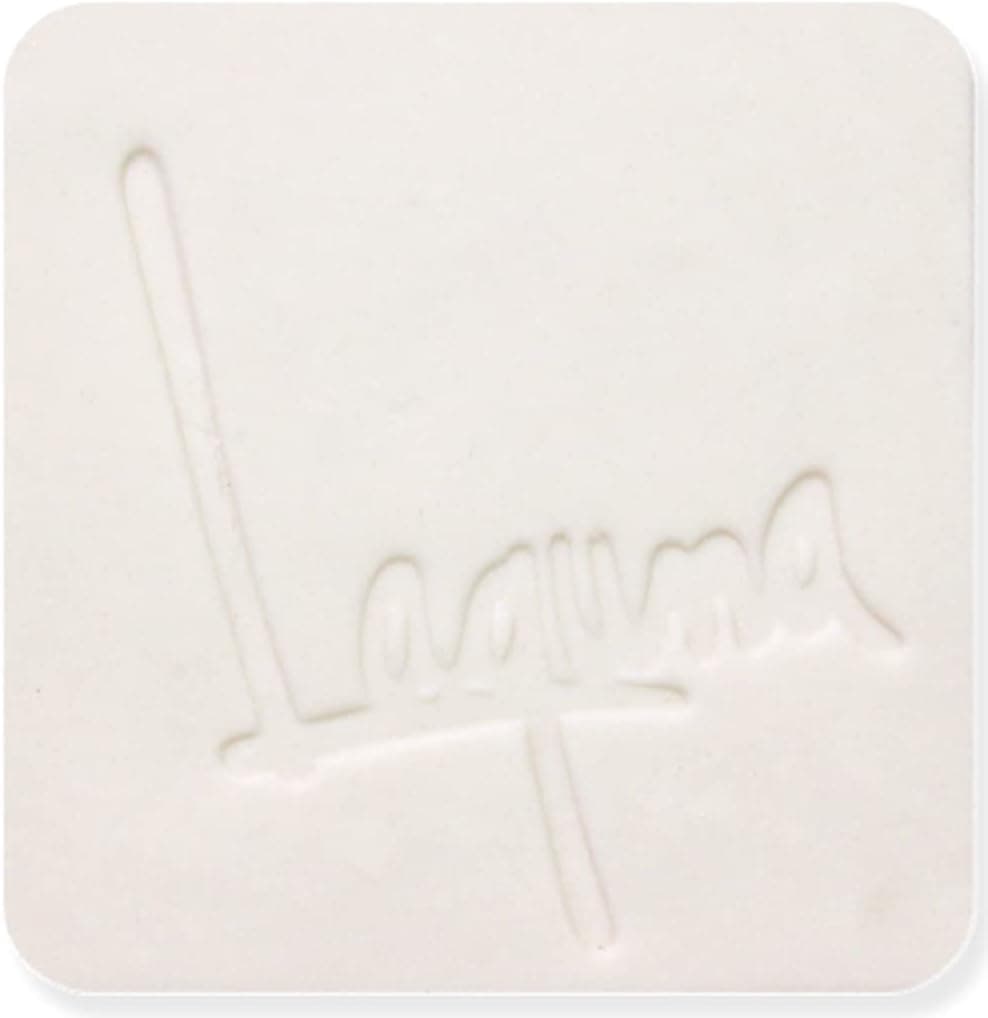
Laguna Clay's Frost Porcelain WC437, Cone 6, in a 10 lbs pack for testing a translucent white porcelain.
Price range: $ (Budget)
What we liked
- + 10 lbs pack is a sensible first try with a premium porcelain
- + Same Frost WC437 body as the larger box, so results scale up
- + Cone 6 firing fits most electric kilns used by hobby potters
Trade-offs
- - Higher price per pound than buying Frost in bulk
- - Beginners may struggle with its softness and tendency to warp
Who should reach for a 10 pound box instead of the bulk size
Frost is a premium porcelain, and Laguna itself sells it primarily in large 25 and 50 pound quantities, so this smaller 10 pound repack exists for potters who want to test the body's feel and firing results before buying in bulk. That makes it the right pick for an intermediate thrower curious about porcelain's translucency, or a studio deciding whether Frost is worth standardizing on, rather than a total beginner's first clay. Because the same WC437 formula is used at every size, results from this smaller box scale up directly, so test tiles, glaze trials, and throwing technique learned here carry over cleanly if a larger order follows.
What makes Frost porcelain different from an ordinary white clay
Laguna rates Frost as an exceptionally white and translucent throwing porcelain with a firing range centered on Cone 5-6, smooth enough for wall tile, jewelry, tableware, and both hand building and wheel work at small to medium scale. Fired pieces show roughly 11 percent shrinkage and water absorption under 1 percent once vitrified, numbers worth planning around if a piece needs to fit a specific size or hold liquid without weeping. That translucency is the real draw over a standard white stoneware, since thin-walled Frost pieces let light pass through in a way opaque clay bodies cannot, which is why it shows up often in lamp shades, luminaries, and delicate tableware.
Living with a soft, high-shrinkage porcelain on the wheel
Porcelain bodies like Frost are prized for smoothness but are notoriously less forgiving than stoneware, with a softer, more plastic feel that can slump or warp if a wall is pulled too thin too fast or a piece is handled before it firms up. That roughly 11 percent shrinkage figure means pieces need extra care drying evenly, since uneven drying is what causes S-cracks and warping in porcelain more than in a groggier clay. Potters moving from stoneware to Frost should expect a learning curve on centering pressure and wall thickness, and should plan slower, more even drying under plastic before bisque firing rather than rushing a piece straight from the wheel to open air.
How the 10 pound size compares with buying in bulk or trying a rival porcelain
Against Laguna's own 25 pound Frost box, this 10 pound size costs more per pound, which is the expected trade-off for testing a smaller quantity before committing. SIO-2's Cellulain paper porcelain is the closer functional rival among porcelains sold in similar quantities, since its paper fibers add green strength that plain Frost does not have, making Cellulain more forgiving for thin, sculptural hand building even though it fires at a slightly different Cone 6-8 range. Smaller SIO-2 porcelains like Black Ice and Aneto White sell in 3.5 pound bags, useful for glaze or color testing but too small for a full throwing project the way this 10 pound Frost box is.
Verdict on whether this size fits your next project
Pick this 10 pound Frost box if you want to test a genuinely translucent, high-quality white porcelain before buying a full 25 or 50 pound box, or if a single medium project is all you need right now. Skip it if you are new to porcelain and want a gentler learning curve, since the same money spent on paper porcelain like Cellulain or a beginner-friendly stoneware will forgive more mistakes while you build wheel skills. Potters already comfortable with porcelain's quirks and planning to keep using Frost long-term will usually save money stepping straight up to the 25 pound size once this smaller box confirms it is the right body for their work.
Frequently asked questions
What cone should I fire Frost porcelain to?
Laguna rates Frost WC437 to a Cone 5-6 firing range, which covers most electric kiln setups used by hobby and studio potters.
Is Frost porcelain a good clay for a first-time thrower?
Not usually. Porcelain bodies like Frost are softer and shrink more than stoneware, roughly 11 percent, so they reward some prior wheel experience more than a first clay ever would.
Why buy the 10 pound box instead of Laguna's larger sizes?
The smaller box lets you test how the clay throws and fires before committing to a 25 or 50 pound order, though it does cost more per pound than buying in bulk.
Can Frost porcelain hold water once fired?
Once properly fired, Frost has water absorption under 1 percent according to Laguna, which is typical of a well-vitrified porcelain, though any piece meant for food or drink should still be checked against your glaze's food safety rating.
Prices change often, so check the current price and availability on Amazon.
Check price on AmazonPottery Nest may earn a commission from the link above.