Deouss 20 lbs Low Fire Pottery Clay - Terra Cotta, Cone 06 Earthenware Throwing Clay for Wheel Throwing, Hand Building, Firing Review (2026)
Updated September 14, 2026 · Research-based review
Our verdict
Deouss packs a smooth 20 pound terra cotta block for home studios, firing low at Cone 06 so it works in basic hobby kilns. It throws and hand builds easily for beginners, but its red iron content can stain white clay on shared tools, and low fire ware chips more readily than stoneware once out of the kiln.
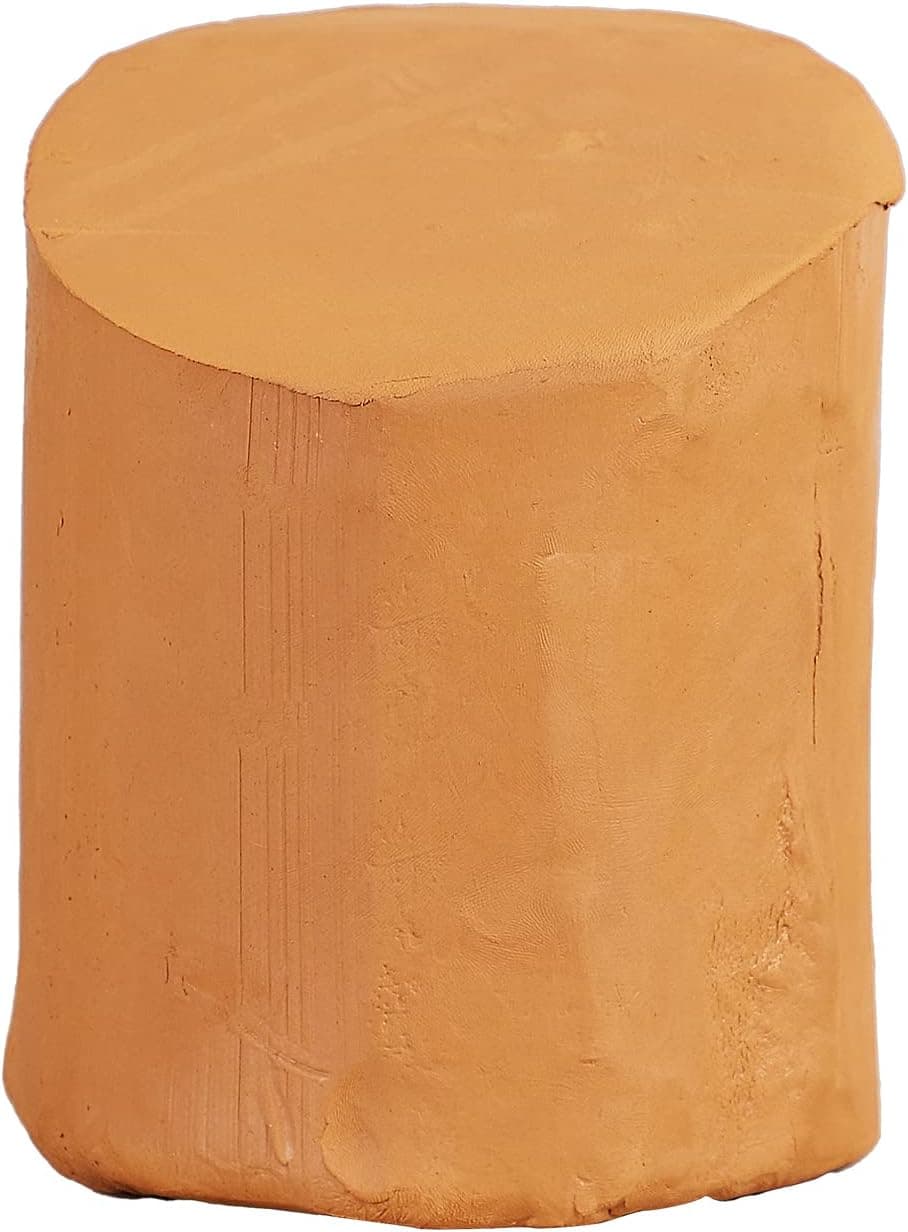
Deouss's 20 lbs terra cotta Cone 06 low fire earthenware for wheel throwing, hand building and firing.
Price range: $ (Budget)
What we liked
- + 20 lbs is a good home-studio amount without the weight of a full box
- + Cone 06 earthenware fires in low-temperature hobby kilns
- + Smooth terra cotta body is friendly for beginner throwers
Trade-offs
- - Red clay can contaminate white clay on shared wheels and tools
- - Low fire pieces are less chip-resistant than stoneware
Who a 20 pound terra cotta block actually suits
This is a home-studio quantity, big enough for a real project or several smaller pieces but well short of the 50 pound bulk sizes production potters buy, so it fits a hobbyist or student rather than a working studio going through clay quickly. Terra cotta's smooth, workable body and low firing temperature make it a common recommendation for beginners, since Cone 06 firing is achievable in many basic electric hobby kilns that cannot always reach stoneware temperatures. Anyone drawn to the warm red-orange color terra cotta fires to, whether for planters, decorative ware, or classic Mediterranean-style pieces, is the clearest audience here, more so than potters chasing a specific stoneware or porcelain look.
What Cone 06 firing and the bisque-then-glaze order mean
Deouss recommends bisque firing to Cone 04 before glaze firing at Cone 06, which lines up with standard low fire earthenware practice, since bisque firing at a somewhat hotter cone than the glaze firing keeps the clay porous enough to absorb glaze evenly while still being sturdy to handle. Terra cotta bodies in general are fired in the Cone 06 to Cone 04 range, which is meaningfully cooler than the Cone 6 to Cone 10 range stoneware needs, a real advantage for anyone with a smaller or older kiln that cannot safely reach higher temperatures. That lower firing range is also part of why terra cotta ware ends up less dense and more porous than stoneware, which affects durability more than it affects how the clay feels to work with.
Living with red clay in a shared studio
Terra cotta's red-orange color comes from iron in the clay body, and that same iron is exactly what makes it a contamination risk on shared wheels, bats, and tools, since even small flecks of red clay mixed into a white or porcelain body can show up as dark specks after firing. Anyone working in a shared studio space should keep terra cotta tools, sponges, and wheel heads separate from white clay work, or clean thoroughly between switching bodies. On the plus side, the clay's smooth, workable texture is generally considered friendly for beginners still building throwing skills, without the stiffness some stoneware bodies bring to early centering practice.
What low fire ware trades away compared with stoneware
Because Cone 06 to Cone 04 firing does not vitrify the clay as fully as stoneware's higher firing range does, finished terra cotta pieces end up more porous and noticeably more prone to chipping than a stoneware mug or bowl fired hundreds of degrees hotter. That is the trade-off for the lower kiln requirements, and it means terra cotta pieces meant for daily kitchen use need a suitable food safe glaze and gentler handling than stoneware would need. Against rivals like AMACO's 50 pound Low Fire Terra Cotta or Rocky Mountain Clay's 25 pound Red Rock Red, this Deouss block competes mainly on offering a mid-size 20 pound quantity that neither of those larger bags provides.
Verdict on whether this fits your kiln and your project
Choose this clay if your kiln tops out below stoneware temperatures, or if you specifically want terra cotta's warm color and smooth, beginner-friendly feel for a home-studio project in the 20 pound range. Keep it away from white clay tools and wheels if you also work in porcelain or white stoneware, since iron contamination is a real risk with shared equipment. Skip it if you need pieces that resist chipping under daily kitchen use, since stoneware will hold up better there, and buy a larger AMACO or Rocky Mountain bag instead if you are running through clay fast enough that 20 pounds will not last.
Frequently asked questions
What cone should I fire this terra cotta clay to?
The maker recommends bisque firing to Cone 04, then glaze firing at Cone 06, which follows the standard practice for low fire earthenware and keeps the piece porous enough to take glaze evenly.
Can this clay go in the same kiln as stoneware?
It can share a kiln load in terms of firing space, but its Cone 06 to Cone 04 range is much cooler than typical stoneware, so it should be fired to its own recommended cone rather than a stoneware schedule.
Will this red clay stain my other pottery?
It can. Iron in terra cotta clay can leave specks in white or porcelain bodies if tools, sponges, or wheel heads are shared without cleaning, so keeping separate equipment for red clay work is a good habit.
Is terra cotta durable enough for everyday mugs and bowls?
Low fire terra cotta is more porous and chips more easily than stoneware, so functional pieces need a suitable food safe glaze and gentler daily handling than a stoneware mug would need.
Prices change often, so check the current price and availability on Amazon.
Check price on AmazonPottery Nest may earn a commission from the link above.