Orton Pyrometric Cones For Monitoring Ceramic Kiln Firings - Cone 06 (1 Pkg/50) Review (2026)
Updated September 14, 2026 · Research-based review
Our verdict
A pack of 50 Orton Cone 06 witness cones for potters who fire low fire bisque and glaze loads and want a visual check that the kiln reached the right heat work. The main strength is that Orton is the standard the whole low fire industry calibrates against. The trade off is that one cone number only covers one part of a firing schedule.
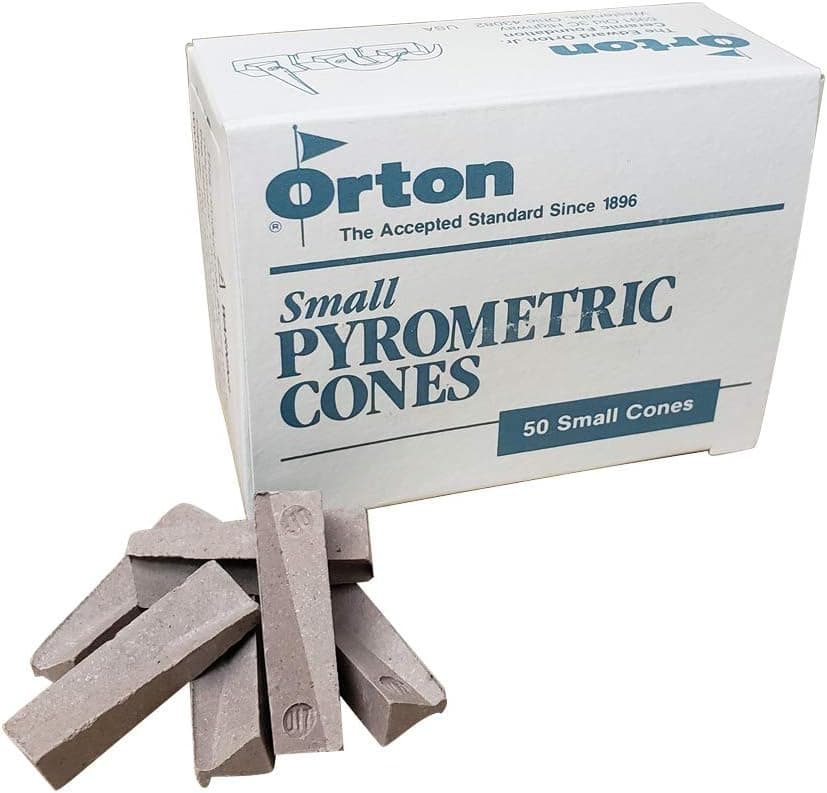
Orton pyrometric cones, Cone 06, 1 Pkg/50, for monitoring low fire bisque and glaze kiln firings.
Price range: $ (Budget)
What we liked
- + Cone 06 is a common bisque and low fire glaze target
- + Orton is the industry standard for pyrometric cones
- + Pack of 50 lasts through many bisque and glaze firings
Trade-offs
- - Cone 06 only suits low fire, so stoneware potters need other cones
- - Large cones need cone packs or holders to stand correctly
Who this cone pack fits
This is a box of 50 Orton Cone 06 pyrometric cones, sized for potters and hobby studios running electric or gas kilns on a low fire schedule. Cone 06 is one of the most common targets in home ceramics, used for bisque firing and for many low fire glazes sold for cone 06 to 04. If your clay body and glaze line both call out cone 06 on the label, this pack matches that number directly. Studios that also fire stoneware or porcelain at cone 5 or 6 will need a separate higher number cone, since this pack only covers the low fire end. Beginners who just bought their first kiln benefit most, because a witness cone is a simple, inexpensive way to confirm the kiln actually reached temperature rather than trusting a timer or a built in controller alone.
What cone 06 actually measures
Pyrometric cones do not just measure temperature, they measure heat work, which is the combined effect of how hot the kiln gets and how long it stays there. As a cone nears its rated maturing point it softens and the tip bends over under its own weight, and a fully matured cone droops until the tip nearly touches the shelf. Cone 06 sits toward the cooler end of the low fire range, below cone 05 and 04 and well below the cone 5 and 6 stoneware range. Orton is the company that set the modern standard for cone charts used across US ceramics, so a cone 06 reading from this pack lines up with the same number printed on commercial glaze buckets and clay bags from most major suppliers.
Placing and reading cones in a firing
Large Orton cones like these are typically set on the kiln shelf, often angled slightly and supported in a small pad of clay or a cone holder near a peephole so you can watch them through the firing. Many potters place a set of three cones together, one that should just bend, one at the target number that should fully droop, and one a step hotter as backup, rather than relying on a single cone. A 50 count box covers a lot of individual firings this way, especially if you are only checking your own kiln and not running multiple test locations per load. Keep the box somewhere dry, since cones are unfired ceramic material and can absorb moisture that changes how consistently they respond to heat over time.
How it compares with the rest of the cone lineup
Within Potterynest's pyrometric cone guide this Cone 06 pack sits just behind the equivalent Cone 6 pack, which serves the stoneware and mid fire crowd rather than low fire potters. It is closely matched with Orton's Small Cones for Kiln Sitter in 06, which is the better pick if your kiln uses a mechanical kiln sitter shutoff instead of a digital controller, since those small cones are shaped to trigger the sitter bar rather than sit freestanding on a shelf. Potters who fire a wider glaze range sometimes buy this alongside the 05 and 04 packs so they have witness cones bracketing their whole low fire schedule instead of just one number.
Verdict and who should look elsewhere
Buy this pack if you fire bisque or low fire glaze at cone 06 on a digital kiln and want a reliable, brand standard way to confirm the firing actually got there, matching our score of 8.8 out of 10 for fit and value. Skip it if your kiln uses a mechanical kiln sitter, since you want the small kiln sitter cones instead, or if you mainly fire stoneware at cone 5 or 6, where a higher number cone pack is the correct match. Mixed studios firing both ranges should plan on stocking more than one cone number rather than expecting this single pack to cover everything.
Frequently asked questions
What does cone 06 mean on a glaze or clay label?
It refers to a specific point on the Orton pyrometric cone scale that represents a combination of temperature and soak time, not a single exact degree reading. Cone 06 sits in the low fire range, used for many bisque firings and low fire glazes.
Do these cones need a holder to stand up in the kiln?
Large Orton cones are commonly set in a small pad of soft clay or a cone holder near a peephole so they stay upright and visible during the firing rather than lying flat on the shelf.
Should I use more than one cone number per firing?
Many potters place a set of three cones, one below target, one at the target number, and one above, so they get a clearer picture of the firing than a single cone can give.
Can leftover cones from an opened box still be trusted later?
Cones are unfired ceramic material, so store the box somewhere dry. Cones that absorb moisture can respond less consistently to heat, which is worth keeping in mind for cones kept around for a long time.
Prices change often, so check the current price and availability on Amazon.
Check price on AmazonPottery Nest may earn a commission from the link above.